
 EN
EN
 FR
FR DE
DE ES
ES
¿Qué mercados nacionales aceptan el aluminio como sustituto de los bobinados de cobre? Una estrategia de reducción de costos para la fabricación de transformadores.
¿Qué mercados nacionales aceptan el aluminio como sustituto de los devanados de cobre?
—Una estrategia de reducción de costos para la fabricación de transformadores
En medio de la transición energética global y las mejoras en la infraestructura eléctrica, los costos de fabricación de transformadores y reactores se han convertido en un tema clave para la industria. El cobre, el material conductor tradicional, ofrece un excelente rendimiento, pero su precio es elevado, lo que impulsa a los fabricantes a buscar alternativas. Los devanados de aluminio, gracias a sus ventajas de costo, están ganando aceptación gradualmente en algunos mercados. Sin embargo, la aceptación de los transformadores de devanado de aluminio varía considerablemente entre países, debido a las normas técnicas, las políticas regulatorias y las preferencias de los usuarios.
Este artículo analiza la aceptación en el mercado global de los transformadores bobinados de aluminio, examina su viabilidad técnica y rentabilidad y proporciona información basada en datos para ayudar a los fabricantes y profesionales de adquisiciones a tomar decisiones óptimas.
Contenido
1. Viabilidad técnica y beneficios económicos de los devanados de aluminio
● Comparación de conductividad
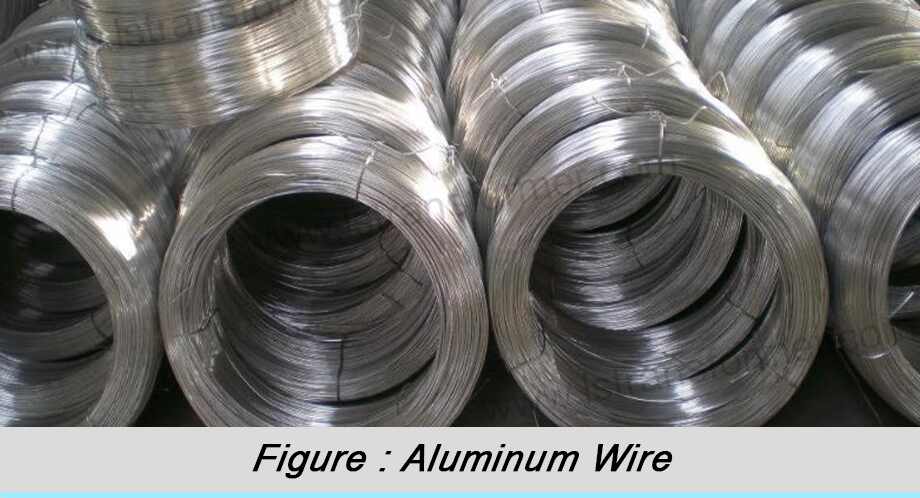
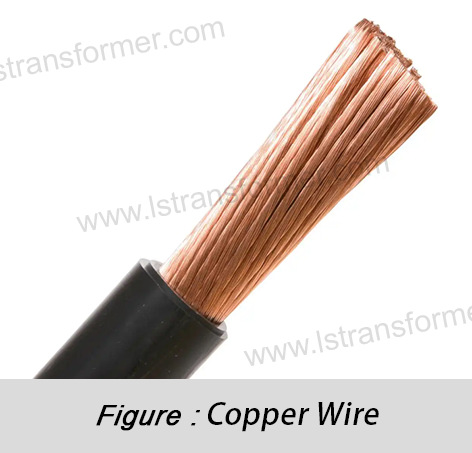
El cobre tiene una conductividad más alta (~58 MS/m a 20 °C) que el aluminio (~35 MS/m a 20 °C), lo que significa que los devanados de aluminio presentan mayor resistencia con la misma sección transversal, lo que genera mayores pérdidas de energía. Para igualar la capacidad de conducción de corriente del cobre, los conductores de aluminio suelen requerir una sección transversal mayor (~1.6 veces mayor).
A pesar de su mayor resistencia, la densidad del aluminio (2.7 g/cm³) es significativamente menor que la del cobre (8.96 g/cm³), lo que resulta en un menor peso y menores costos de transporte e instalación. Además, el precio del aluminio (~ El precio del cobre (2.5/kg) es mucho menor que el del cobre (9/kg), lo que reduce los costos totales de material entre un 30% y un 50%.
● Resistencia mecánica y confiabilidad de la conexión
El aluminio tiene menor resistencia mecánica, lo que lo hace propenso a aflojarse bajo vibraciones prolongadas o ciclos térmicos, lo que aumenta la resistencia de contacto y el riesgo de sobrecalentamiento. Por lo tanto, los transformadores de bobinado de aluminio requieren técnicas de conexión especializadas, como:
(1)Soldadura ultrasónica: Reduce la interferencia de la capa de óxido, mejorando la confiabilidad de la conexión.
(2)Uniones de aluminio estañado o revestido de cobre: Reduce la resistencia de contacto, minimizando el calentamiento localizado.
Además, el coeficiente de expansión térmica del aluminio (23.1×10⁻⁶/°C) es mayor que el del cobre (17×10⁻⁶/°C), lo que requiere mayores tolerancias de tensión térmica en el diseño.
2. ¿Qué mercados nacionales aceptan transformadores bobinados de aluminio?
La aceptación de los transformadores de bobinado de aluminio varía según el país, en función de las normas, regulaciones, prácticas del mercado y requisitos de la red. A continuación, se presenta un desglose de los mercados clave:
País / Región |
Nivel de aceptación |
Estándares clave |
Aplicaciones principales |
América del Norte (EE.UU., Canadá) |
Alto |
IEEE C57.12.00, CSA C88 |
Transformadores de distribución (≤10 MVA) |
Europa (Alemania, Francia, etc.) |
Moderado |
IEC 60076, EN 50588 |
Transformadores industriales pequeños y medianos |
India |
Alto |
ES 2026, ES 1180 |
Redes rurales, sistemas de distribución de bajo coste |
China |
Moderado |
GB 1094, GB/T 6451 |
Mercados de gama media y baja |
Oriente Medio (Arabia Saudita, Emiratos Árabes Unidos) |
Bajo |
SASO, AEVM |
Aprobado solo para proyectos específicos |
●América del Norte: líder en la adopción de transformadores con bobinado de aluminio
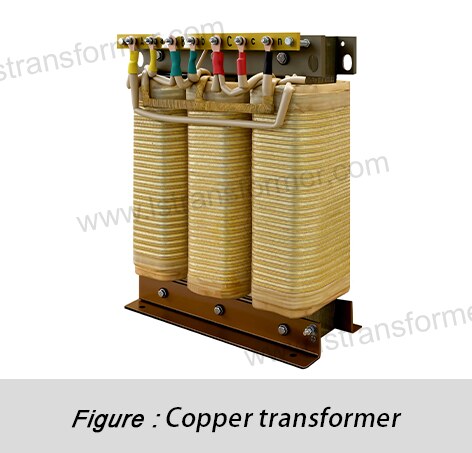
Las normas de la Asociación Nacional de Fabricantes Eléctricos (NEMA) y del IEEE permiten explícitamente el uso de bobinados de aluminio en transformadores de distribución. Debido a la vasta red eléctrica estadounidense y a la alta sensibilidad a los costos, los transformadores con bobinado de aluminio predominan en el sector de distribución de menos de 10 MVA.
Indicadores de mercado:
(1) Sensibilidad al costo: Empresas de servicios públicos como Duke Energy y Southern Company prioriza el costo total de propiedad (TCO) en sus adquisiciones.
(2) Cadena de suministro madura:Fabricantes como ABB y Siemens ofrece soluciones optimizadas para el bobinado de aluminio.
● Europa: Adopción limitada bajo estándares estrictos
Si bien las normas IEC no prohíben los devanados de aluminio, exigen mayores márgenes de seguridad, lo que aumenta los costos de fabricación y reduce las ventajas de precio. Los mercados de alta gama en Alemania y Francia aún prefieren el cobre, pero Europa del Este (por ejemplo, Polonia y Rumanía) utiliza aluminio en proyectos con presupuestos limitados.
● Mercados emergentes (India, Sudeste Asiático): Alta aceptación
En la India, los transformadores bobinados de aluminio representan más del 60% del mercado de distribución, impulsados por:
(1)Expansión de la red rural:Demanda de proyectos de bajo presupuesto Equipo rentable.
(2)Soporte de fabricación local: Empresas como Crompton Greaves ofrecen diseños optimizados.
3. ¿Cómo optimizar el diseño del devanado de aluminio para lograr costos y confiabilidad?
● Cálculo de la sección transversal del conductor
Para garantizar una capacidad de transporte de corriente equivalente, la sección transversal del conductor de aluminio debe satisfacer:
 AAl=ACu×ρAlρCu
Lugar:
 = Sección transversal del conductor de aluminio
 = Sección transversal del conductor de cobre
 = Resistividad del cobre (1.68×10⁻⁸ Ω·m)
 = Resistividad del aluminio (2.82×10⁻⁸ Ω·m)
Ejemplo: Para un conductor de cobre de 50 mm², el equivalente en aluminio es de aproximadamente 84 mm².
● Optimización del diseño térmico
Los transformadores de bobinado de aluminio requieren una refrigeración mejorada para mitigar las temperaturas de punto caliente. Las soluciones incluyen:
● Disposición asimétrica de los conductos de refrigeración:
(1) Conductos un 20% más anchos en el lado de alto voltaje para compensar las diferencias de temperatura del devanado.
(2) Aletas de enfriamiento corrugadas, que aumentan el área de superficie en un 30% con respecto a los diseños tradicionales.
● Medios de enfriamiento avanzados:
Medio de refrigeración |
Conductividad Térmica (W/m·K) |
Punto de inflamación (° C) |
Respeto al medio ambiente |
Aceite mineral |
0.12 |
160 |
Pobre |
Éster sintético |
0.15-0.18 |
300 |
Biodegradable |
Fluido fluorado |
0.08-0.10 |
No es inflamable |
Requiere reciclaje |
● Control de temperatura inteligente:
(1) Sensores de fibra óptica distribuidos (precisión ±0.5°C).
(2)Ajuste dinámico de la velocidad del ventilador, reduciendo el consumo de energía en un 15%.
● Mejoras en la confiabilidad de la conexión
El punto débil de los devanados de aluminio son las conexiones. Las innovaciones incluyen:
● Proceso de soldadura híbrida:
(1) Pre-soldadura ultrasónica + soldadura láser de precisión.
(2) La resistencia al corte aumenta de 50 MPa a 85 MPa.
Diagrama de flujo del proceso: Preparación de la superficie → Soldadura ultrasónica basto (400 W/3 s) → Soldadura láser fina (1 kW/0.5 s) → Ensayos no destructivos.
● Diseño de amortiguador de estrés térmico:
(1)Los resortes helicoidales compensan la expansión térmica (ΔL = α·L·ΔT).
(2)Parámetros clave: α del aluminio = 23.1×10⁻⁶/°C; espacio de expansión de 1.5 mm por metro de bobinado.
En resumen
Los transformadores con bobinado de aluminio gozan de amplia aceptación en Norteamérica e India, pero presentan limitaciones en Europa y los mercados de alta gama. Los fabricantes deben adaptarse a los estándares del mercado objetivo, las estructuras de costos y las necesidades de los usuarios. Al optimizar el diseño de los conductores, los sistemas de refrigeración y las técnicas de conexión, los bobinados de aluminio pueden reducir significativamente los costos y, al mismo tiempo, mantener la confiabilidad, lo que los convierte en una opción viable para la industria eléctrica.
Contáctenos
LuShan , fundada en 1975 , es un fabricante profesional chino especializado en transformadores y reactores de potencia desde hace más de 50 años. Sus productos principales son transformadores monofásicos, transformadores de aislamiento trifásicos , transformadores eléctricos , transformadores de distribución, transformadores reductores y elevadores, transformadores de baja tensión, transformadores de alta tensión, transformadores de control, transformadores toroidales, transformadores con núcleo en R; inductores de CC, reactores de CA, reactores de filtrado, reactores de línea y carga, bobinas de choque, reactores de filtrado y productos de frecuencia intermedia y alta.
Nuestros transformadores y reactores de potencia se utilizan ampliamente en 10 áreas de aplicación: transporte rápido, maquinaria de construcción, energías renovables, fabricación inteligente, equipos médicos, prevención de explosiones en minas de carbón, sistemas de excitación, sinterización al vacío (horno) y aire acondicionado central.
Para obtener más información sobre transformadores de potencia y reactores, visite: www.lstransformer.com.
Si desea obtener soluciones personalizadas para transformadores o reactancias, póngase en contacto con nosotros.
WhatsApp:+86 13787095096
Correo electrónico:[email protected]