
 EN
EN
 FR
FR DE
DE ES
ES
Un fuerte "estruendo" al encender un transformador: ¿Está dañado?
Los transformadores son componentes vitales en los sistemas eléctricos, y su funcionamiento estable es crucial. Al energizar un transformador después de su instalación o mantenimiento, es posible que se escuche un zumbido significativo o un fuerte estallido. Este fenómeno, común en las operaciones eléctricas de todo el mundo, suele generar preocupación entre los operadores: ¿indica una falla o daño en el transformador? Este artículo analiza las causas principales, ayudándole a distinguir entre un evento físico normal y una posible señal de advertencia.
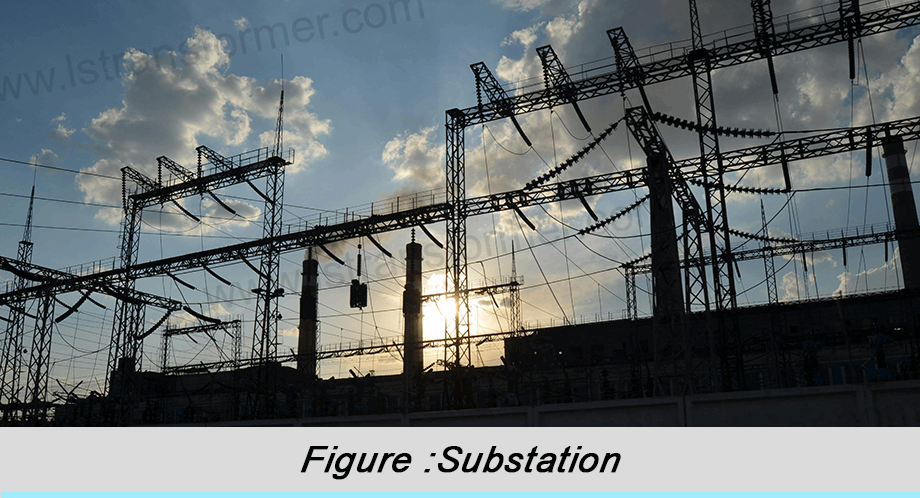
1. Causa principal del ruido de conmutación: Corriente de irrupción
La causa más común del ruido fuerte es la corriente de irrupción o corriente de magnetización. Se trata de una sobretensión transitoria de gran magnitud —que supera con creces la corriente nominal— que fluye hacia el devanado primario cuando un transformador se conecta a la red eléctrica sin carga.
1.1 Cómo se produce la corriente de irrupción
Los transformadores funcionan según el principio de inducción electromagnética. Durante el funcionamiento en estado estacionario, el flujo magnético (Φ) en el núcleo sigue de cerca la tensión aplicada (V). Sin embargo, en el momento exacto de la conmutación, este equilibrio se rompe.
1.1.1 El proceso transitorio de establecimiento de flujo
La tensión alterna es una onda sinusoidal. El instante de conmutación (el ángulo de fase de la tensión) es crítico para el establecimiento inicial del flujo magnético. Según la ley de Faraday:
V = N(dΦ/dt)
donde V es el voltaje instantáneo
N se convierte
dΦ/dt es la tasa de cambio del flujo.
El punto clave:Si el interruptor se cierra precisamente en el cruce por cero de la tensión (tensión instantánea igual a 0), la tasa de cambio de flujo requerida (dΦ/dt) también debe ser cero. Sin embargo, el flujo del núcleo debe partir de cero. Para "sincronizarse" con la forma de onda de flujo en estado estacionario correspondiente a la tensión, el sistema genera un gran desplazamiento de flujo transitorio. Para establecer este desplazamiento se requiere una corriente instantánea muy grande en el devanado: esta es la corriente de irrupción.
1.2 Efectos físicos y el sonido resultante
Esta corriente instantánea, que puede ser de 6 a 10 veces la corriente nominal, desencadena fuertes efectos físicos dentro del transformador:
(1)Fuerzas electromagnéticas intensas:La alta corriente crea un potente campo magnético alrededor de los devanados, sometiendo a los conductores de los devanados y a las partes estructurales del núcleo a una tensión mecánica significativa, lo que provoca pequeños desplazamientos o vibraciones instantáneas.
(2)Magnetostricción del núcleo:Los núcleos de los transformadores están hechos de acero al silicio laminado. Bajo un campo magnético intenso y variable, el material del núcleo presenta "magnetoestricción", lo que significa que sus dimensiones físicas cambian mínimamente con la intensidad del campo magnético.
(3)Generación de sonido:Las vibraciones estructurales producidas por las fuerzas electromagnéticas se combinan con las vibraciones de la magnetostricción del núcleo. Estas vibraciones, con un rico contenido de frecuencia, son amplificadas por el tanque, los radiadores, etc., y se liberan como un estruendo, un estallido o un zumbido audible.
Característica |
Valor típico / Descripción |
Magnitud máxima |
Hasta 6-10 veces la corriente nominal |
Duración |
Normalmente, varios ciclos de encendido (de decenas a cientos de milisegundos). |
Tasa de descomposición |
Disminución rápida hasta alcanzar la corriente en estado estacionario sin carga (depende de la impedancia del sistema y del diseño del transformador). |
Principales efectos físicos |
Fuerzas electromagnéticas mecánicas, magnetostricción del núcleo |
Sonido típico |
Una serie única o corta de sonidos de "bang", "boom" o "thud" |
Tabla 1: Características e impacto de la corriente de irrupción del transformador
2. Distinguir el ruido de arranque normal de los indicadores de falla
Si bien la mayoría de los ruidos fuertes se deben a la corriente de irrupción normal del transformador, ciertos sonidos anormales pueden indicar problemas. Saber diferenciarlos es fundamental.
2.1 Características del ruido de irrupción normal
(1)Tiempo:Ocurre exactamente en el momento de encender el dispositivo. El sonido es breve (normalmente termina en 1-2 segundos).
(2)Naturaleza:Un único "estruendo" o una breve serie de "golpes" que se desvanecen rápidamente. Después, el transformador funciona con un zumbido uniforme y constante.
(3)Sin otros síntomas:Tras el sonido, no se observa ningún ruido anormal persistente, ninguna emisión inusual de humo o gas, ni el funcionamiento de ningún dispositivo de protección (por ejemplo, los relés no se disparan).
2.2 Características de los sonidos anormales que indican posibles fallas
Si se producen los siguientes patrones de sonido durante o después del cambio, puede indicar un problema:
2.2.1 Ruidos procedentes de fallos eléctricos internos
p. ej., cortocircuitos entre espiras del devanado, descarga interna severa. Los sonidos pueden mezclarse con el ruido de irrupción, pero presentan diferencias:
(1)Sonidos de crujidos agudos o descargas/arcos eléctricos continuos:Puede ir acompañado de un fallo en el aislamiento interno.
(2)Acompañados de viajes de protección:Con frecuencia provoca el funcionamiento rápido de relés de sobrecorriente, diferenciales o de gas (Buchholz), disparando el circuito.
(3)Persistencia:Por lo general, la falla y el sonido/vibración asociados no disminuyen rápidamente como los efectos de corriente de irrupción.
2.2.2 Ruidos debidos a problemas mecánicos
Por ejemplo, una mala conexión a tierra del núcleo, estructuras de sujeción sueltas excitadas por las grandes fuerzas de irrupción.
(1)Sonidos persistentes, rítmicos, vibratorios o de golpeteo:Tras el cambio de sistema, persiste un "tictac", un "clic" o un "zumbido" irregular, rítmico y anormal, que puede sonar como un "tictac" o un "zumbido" irregular.
(2)Sonido localizado:En ocasiones, se puede localizar la fuente del sonido escuchando cerca de diferentes partes del transformador, lo que indica un problema mecánico localizado.
Aspecto |
Sonido de entrada normal |
Sonido de falla sospechada |
Sincronización |
Estrictamente en el momento del encendido |
Puede ocurrir al encender el dispositivo, pero con mayor frecuencia persiste o reaparece posteriormente. |
Calidad de sonido |
Un "bum" de tono bajo, breve |
Crujido agudo, sonido de arco continuo, golpeteo/vibración rítmica. |
Duración |
Desaparece por completo en cuestión de segundos. |
Persiste o se produce de forma intermitente. |
Señales eléctricas adjuntas |
No hay disparo de protección; los contadores vuelven a la normalidad. |
A menudo, disparos preventivos, lecturas anormales sostenidas del medidor, cambios repentinos en los datos DGA en línea. |
Operación subsiguiente |
El sonido vuelve inmediatamente a un zumbido uniforme y constante. |
El ruido operativo sigue siendo anormalmente fuerte o inestable. |
Tabla 2: Guía para identificar los sonidos de conmutación de transformadores
3. Cómo gestionar y mitigar la corriente de irrupción y sus efectos
Aunque el ruido sea normal, una corriente de irrupción elevada supone una posible sobrecarga para la red eléctrica y el transformador (por ejemplo, caídas de tensión, riesgo de mal funcionamiento del relé). Las siguientes medidas adoptadas internacionalmente pueden ayudar a gestionarla.
3.1 Medida operativa: Conmutación controlada (Control de fase)
(1)Principio:Como se explicó, la magnitud de la corriente de irrupción depende directamente del ángulo de fase de la tensión en el momento de la conexión. Teóricamente, la conmutación en el pico de tensión produce la menor corriente de irrupción.
(2)Acción:Utilice controladores síncronos (de punto en la onda) o disyuntores inteligentes para cerrar con precisión los contactos en un punto específico de la forma de onda de voltaje (cerca del pico).
(3)Efecto:Puede reducir los picos de corriente de irrupción en más del 50%, atenuando significativamente el ruido y la tensión electromagnética.
3.2 Medidas a nivel de dispositivo: Gestión de remanencia o resistencia en serie
3.2.1Gestión de remanencias:
(1)Principio:Tras la desenergización, el núcleo puede conservar cierto flujo magnético (remanencia). Si el flujo objetivo de la tensión de conmutación es opuesto a la dirección de la remanencia, ambos se suman, empeorando el desfase de flujo y la corriente de irrupción. Gestionar activamente la remanencia (por ejemplo, anulándola o conociendo su estado antes de la conmutación) contribuye a una estrategia de conmutación óptima.
(2)Efecto:Reduce la imprevisibilidad y, combinado con el control de fase, optimiza la conmutación.
3.2.2Resistencias de preinserción:
(1)Principio:Antes de que se cierren los contactos del interruptor principal, se cierran primero los contactos auxiliares con una resistencia en serie. La resistencia limita la corriente inicial, permitiendo que el flujo magnético se acumule gradualmente. Tras un breve retardo, los contactos principales se cierran, cortocircuitando la resistencia.
(2)Efecto:Limita físicamente el pico de corriente inicial; un método muy eficaz para transformadores de alta tensión de gran tamaño.
3.3 Medidas de diseño del sistema: Limitadores de corriente de irrupción y lógica de protección
(1)Limitadores de corriente de arranque:Dispositivos inductivos o resistivos no lineales especialmente diseñados, conectados temporalmente al circuito para suprimir el pico.
(2)Optimización de la configuración del relé de protección:Ajustar la configuración de la restricción armónica en los relés diferenciales o de sobrecorriente les ayuda a distinguir mejor entre la corriente de irrupción (rica en el segundo armónico) y la corriente de falla real, evitando disparos intempestivos.
Conclusión y recomendación
Escuchar un fuerte estallido al encender un transformador no es motivo de pánico inmediato. Probablemente se deba a una corriente de irrupción, un fenómeno físico intenso pero generalmente normal. Sin embargo, un operador responsable debe saber distinguir entre ambas. Preste atención a las señales de advertencia mencionadas anteriormente. En caso de duda o si persisten síntomas anormales, consulte a un profesional cualificado para que realice una inspección. Un conocimiento y una gestión adecuados de la energización de los transformadores garantizan tanto la seguridad como la fiabilidad.
lushan, est.1975, es un fabricante profesional chino especializado en transformadores de potencia y reactores para50+años. Los productos líderes sontransformador monofásico, trifásicosolotransformadores,transformador eléctrico,transformador de distribución, transformador reductor y elevador, transformador de baja tensión, transformador de alta tensión, transformador de control, transformador toroidal, transformador de núcleo R;Inductores de CC, reactores de CA, reactores de filtrado, reactores de línea y carga, bobinas, reactores de filtrado y productos intermedios de alta frecuencia.
Contáctenos
Nuestro poderLos transformadores y reactores se utilizan ampliamente en 10 áreas de aplicación: tránsito rápido, maquinaria de construcción, energía renovable, fabricación inteligente, equipos médicos, prevención de explosiones en minas de carbón, sistema de excitación, sinterización al vacío (horno), aire acondicionado central.
Conozca más sobre transformadores de potencia y reactores:www.lstransformer.com.
Si desea obtener soluciones personalizadas para transformadores o reactancias, póngase en contacto con nosotros.
WhatsApp:+8613787095096
Correo electrónico:[email protected]