
 EN
EN
 FR
FR DE
DE ES
ES
¿Cómo el aumento excesivo de temperatura envejece el aislamiento del transformador? — Métodos integrales para controlar el aumento de temperatura
¿Cómo el aumento excesivo de temperatura envejece el aislamiento del transformador?
— Métodos integrales para controlar el aumento de la temperatura
Los transformadores son el equipo principal de los sistemas eléctricos, y su temperatura de funcionamiento afecta directamente la vida útil de los materiales aislantes y la seguridad de la red. Investigaciones de la Comisión Electrotécnica Internacional (IEC) indican que el aumento excesivo de temperatura es la principal causa de fallos en los transformadores. Este artículo profundiza en la relación entre el aumento de temperatura y el envejecimiento del aislamiento, y ofrece una solución integral de control de temperatura que cumple con las normas internacionales (IEC/IEEE), lo que ayuda a prolongar la vida útil de los equipos en más de 10 años.
Contenido
1. ¿Cómo el aumento de temperatura destruye el aislamiento del transformador? — Mecanismos de envejecimiento irreversible
● Ley fundamental del envejecimiento térmico: efecto Arrhenius
La vida útil de los materiales aislantes disminuye exponencialmente con la temperatura. A medida que aumenta la temperatura del transformador, se intensifica el movimiento térmico molecular, lo que provoca un aumento exponencial de la probabilidad de ruptura de enlaces y, finalmente, un colapso estructural. Esto se basa en la ecuación de Arrhenius:
L = L₀ × e^(-Eₐ/kT)
- L : Vida útil esperada (años) a temperatura T
- T : Temperatura absoluta del punto caliente (Kelvin = ℃ + 273)
- Eₐ : Energía de activación del material (Julios)
- k : constante de Boltzmann (1.38×10⁻²³ J/K)
Conclusión clave: Por cada aumento de 6 a 10 °C, la vida útil del aislamiento se reduce en aproximadamente un 50 %. Por ejemplo, un aislamiento de clase B que funciona a 130 °C verá su vida útil disminuir de 20 años a 10 años a 138 °C.
Clase de aislamiento |
Temperatura máxima permitida (℃) |
Reducción de la vida útil a +8 °C |
Materiales típicos |
Clase A |
105 |
50% |
Celulosa impregnada |
clase B |
130 |
50% |
Fibra de mica y vidrio |
Clase f |
155 |
50% |
Resina de alto rendimiento |
clase H |
180 |
50% |
Compuestos de caucho de silicona |
Tabla 1: Clase de aislamiento vs. vida útil en función de la temperatura (norma IEC 60085)
● Mecanismos de triple daño de las altas temperaturas
(1) Colapso de la resistencia mecánica: A 130 °C, la resistencia a la tracción del papel aislante disminuye en un 80 % (IEEE C57.91).
(2) Degradación del rendimiento dieléctrico: Por cada aumento de 10 °C, la pérdida dieléctrica aumenta en un 300 %.
(3) Deterioro sinérgico del papel y el aceite: Las altas temperaturas aceleran la oxidación del aceite. Cuando el índice de acidez supera los 0.5 mgKOH/g, la vida útil del papel aislante se reduce en un 60%.
2. Tres causas fundamentales del aumento excesivo de temperatura y soluciones
● Corriente de carga excesiva que provoca pérdida de cobre
Cuando la carga del transformador excede la capacidad de diseño, la corriente del devanado aumenta. Según la ley de Joule (P=I²R), las pérdidas resistivas aumentan cuadráticamente con la corriente, convirtiéndose directamente en calor y elevando la temperatura del devanado.
Repercusiones:
(1) Aumento de corriente del 10% → Pérdida de cobre un 21% mayor → Aumento de temperatura de ~15°C.
(2) La sobrecarga prolongada hace que las temperaturas de los puntos calientes superen los límites de diseño, acelerando el envejecimiento del aislamiento.
Caso práctico: Un transformador de 110 kV que funcionó con una sobrecarga del 20 % durante 3 años experimentó una caída en la polimerización del papel aislante hasta el 40 % de su valor inicial, lo que obligó a su retirada anticipada.
● Disminución de la eficiencia del sistema de enfriamiento
Los fallos en el sistema de refrigeración perjudican directamente la disipación del calor.
Temas:
(1) Polvo/obstrucción en radiadores: 1 mm de polvo reduce la eficiencia en un 30%.
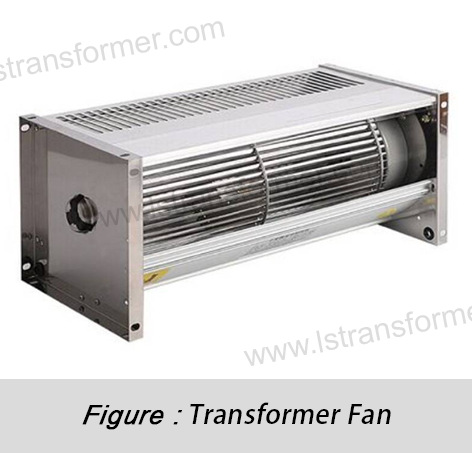
(2) Fallos del ventilador: Las paradas aumentan la temperatura del aceite entre 20 y 30 °C.
(3) Ineficiencia de la bomba: El bajo flujo de aceite aumenta las temperaturas de los puntos calientes en más de 40 °C.
Consecuencia:La acumulación de calor conduce al aislamiento. Descompostura.
● Altas temperaturas ambientales
La temperatura ambiente afecta directamente la eficiencia de enfriamiento.
Impacto: Cada aumento de 1 °C en la temperatura ambiente incrementa la temperatura interna entre 0.5 y 1 °C.
La luz del sol puede aumentar la temperatura de la superficie del tanque en más de 20 °C.
Caso práctico: Una subestación en África requirió una reducción de carga del 15 % a 40 °C para garantizar un funcionamiento seguro.
3. Sistema de control de temperatura de cuatro dimensiones
● Gestión inteligente de carga
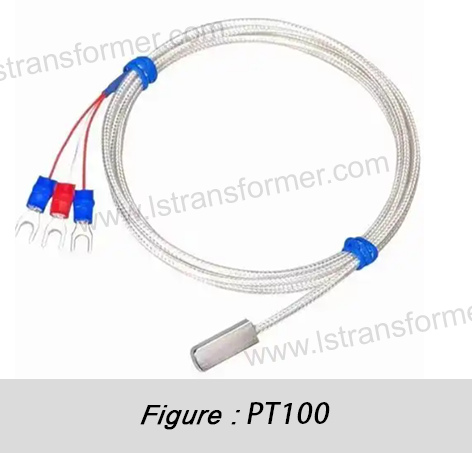
medidas:Instalar monitoreo en tiempo real, control de carga dinámico y un sistema de alerta de tres niveles (80% advertencia, 90% alarma, 100% deslastre de carga automático) según IEC 60076-7.
Efecto: Reduce las sobrecargas en un 82%, reduce las fluctuaciones de temperatura de ±12 °C a ±5 °C y extiende la vida útil en 9.2 años (según datos de la subestación de 220 kV de Zhejiang).
● Mejoras en el sistema de enfriamiento
medidas: Utilice radiadores corrugados (50% más de superficie), ventiladores inteligentes de velocidad variable y optimizadores de flujo de aceite.
Efecto: Reduce la temperatura superior del aceite de 78 °C a 60 °C y ahorra 280 000 kWh/año (por subestación de 500 kV de Guangdong).
● Gestión de la calidad del aceite
Medidas: Implementar purificadores de aceite de vacío en línea (humedad <10 ppm, índice de acidez ≤0.03 mgKOH/g) y aditivos antioxidantes.
Efecto: Reduce la temperatura media del aceite en 14 °C y prolonga los ciclos de sustitución del aceite hasta 7 años (por parque eólico de Mongolia Interior).
● Optimización térmica ambiental
medidas: Instalar marquesinas reflectantes (88% de reflectividad solar), ventilación inteligente (20 a 30 cambios de aire por hora) y pisos nanorreflectantes.
Efecto:Reduce las temperaturas de la superficie en 28 °C y reduce las fallas de 7/año a 1 (por subestación de 110 kV de Hainan).
Paquete de soluciones |
Costo típico (USD 10 000) |
Reducción de temperatura (℃) |
Período de retorno de la inversión |
Básico (1+2) |
80-150 |
12-18 |
2.8-3.5 años |
Estándar (1–3) |
180-250 |
18-22 |
2.2-2.8 años |
Premium (1–4) |
280-350 |
22-26 |
1.8-2.3 años |
En resumen
La implementación de sistemas de monitoreo inteligente, mejoras en la refrigeración, gestión del aceite y controles ambientales puede reducir la temperatura de los transformadores, extender su vida útil entre 8 y 15 años y disminuir la tasa de fallas en un 60 %. Se recomienda priorizar el monitoreo inteligente (ROI: 2-3 años ), seguido de las mejoras en la refrigeración ( reducción de 15-20 ° C ) y la gestión del aceite (ciclos de reemplazo de 7 años). Este enfoque reduce los costos anuales de mantenimiento entre un 30 % y un 50 %, ofreciendo una solución rentable para la confiabilidad de la red eléctrica.
Contáctenos
LuShan , fundada en 1975 , es un fabricante profesional chino especializado en transformadores y reactores de potencia desde hace más de 50 años. Sus productos principales son transformadores monofásicos, transformadores de aislamiento trifásicos , transformadores eléctricos , transformadores de distribución, transformadores reductores y elevadores, transformadores de baja tensión, transformadores de alta tensión, transformadores de control, transformadores toroidales, transformadores con núcleo en R; inductores de CC, reactores de CA, reactores de filtrado, reactores de línea y carga, bobinas de choque, reactores de filtrado y productos de frecuencia intermedia y alta.
Nuestros transformadores y reactores de potencia se utilizan ampliamente en 10 áreas de aplicación: transporte rápido, maquinaria de construcción, energías renovables, fabricación inteligente, equipos médicos, prevención de explosiones en minas de carbón, sistemas de excitación, sinterización al vacío (horno) y aire acondicionado central.
Para obtener más información sobre transformadores de potencia y reactores, visite: www.lstransformer.com.
Si desea obtener soluciones personalizadas para transformadores o reactancias, póngase en contacto con nosotros.
WhatsApp:+86 13787095096
Correo electrónico:[email protected]