
 EN
EN
 FR
FR DE
DE ES
ES
¿Cómo lidiar con el seguimiento superficial en el buje? —Consideraciones clave para la aplicación de recubrimiento de silicona RTV
¿Cómo lidiar con el seguimiento de superficie en el buje?
—Consideraciones clave para la aplicación de revestimiento de silicona RTV
El seguimiento superficial en las bornas del reactor es una causa crítica de fallas en los equipos de potencia. Según la norma IEEE 1584-2018, el 35 % de los casos de fallas de aislamiento se atribuyen directamente a fenómenos de seguimiento. Este artículo explica sistemáticamente soluciones para el manejo del seguimiento superficial y detalla el proceso de aplicación estandarizado de recubrimientos de silicona RTV según la especificación internacional IEC 62217.
Contenido
1. Análisis en profundidad de los riesgos del seguimiento de superficie
Los canales conductores carbonizados formados por el seguimiento de la superficie en los bujes del reactor pueden desencadenar una reacción en cadena de peligros de tres niveles:
● Disminución gradual del rendimiento del aislamiento
Las rutas carbonizadas aumentan la corriente de fuga entre un 50 % y un 300 % (según datos de prueba de la norma IEC 60507), lo que reduce la tensión de descarga superficial en más del 40 %. Cuando la densidad de corriente de fuga supera los 3 mA/cm², el aumento localizado de temperatura puede superar los 200 °C, acelerando el envejecimiento térmico de los materiales aislantes.
● Daños estructurales irreversibles
La descarga continua puede erosionar la superficie de caucho de silicona o porcelana de los bujes, creando picaduras de más de 2 mm de profundidad (véase la Figura 1). Experimentos demuestran que las picaduras de más de 0.5 mm de profundidad aumentan la distorsión del campo eléctrico en un 80 %, lo que aumenta el riesgo de rotura del aislamiento interno.
● Fallas de reacción en cadena a nivel de sistema
La descarga disruptiva de los aisladores monofásicos puede provocar cortocircuitos entre fases, generando corrientes de cortocircuito superiores a 40 kA en sistemas de 35 kV (según el modelo de cálculo IEC 62271-100). Esto puede provocar fallos en los dispositivos de protección, oscilaciones de la red y otros accidentes sistémicos.
Llave de datos: Los informes de investigación de EPRI indican que el seguimiento de superficies sin tratar aumenta las tasas de fallas del equipo en 6.8 veces.
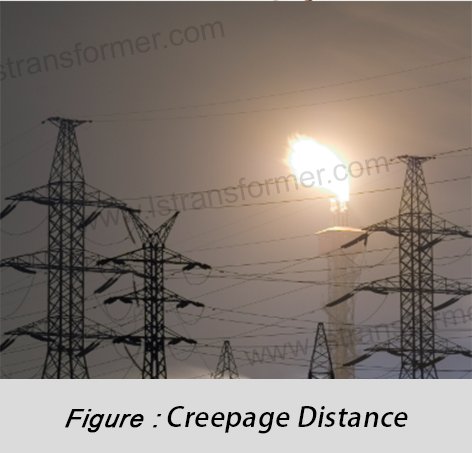
2. Métodos para el manejo del seguimiento de la superficie en los bujes del reactor
● Métodos de tratamiento convencionales
Método |
Aplicabilidad |
Pros y contras |
Pulido Mecánico |
Seguimiento de superficie menor |
Elimina las capas carbonizadas pero puede dañar los materiales aislantes. |
Limpieza quimica |
contaminación grave |
Limpia contaminantes pero requiere evitar solventes corrosivos. |
Reparación localizada |
Daños localizados |
Se utiliza pintura aislante o resina epoxi para el relleno, pero la durabilidad es limitada. |
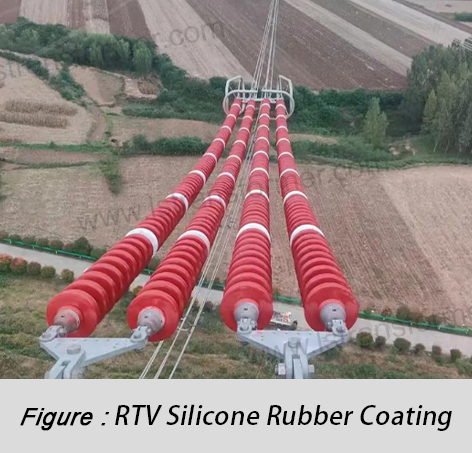
● Tecnología de protección de revestimiento de silicona RTV
El recubrimiento de silicona RTV es una de las medidas anti-seguimiento más eficaces y ofrece las siguientes ventajas:
(1)Hidrofobicidad: Forma gotas de agua en la superficie, reduciendo el área de humectación y la corriente de fuga.
(2)Autolimpieza:Previene la acumulación de contaminación, minimizando la formación de una capa conductora.
(3)Resistencia al clima: Resistente a los rayos UV y tolerante a altas temperaturas (-50 °C a 200 °C), adecuado para entornos exteriores.
●Mecanismo anti-rastreo del recubrimiento RTV:
(1)Reduce la energía superficial:Las propiedades hidrófobas del caucho de silicona evitan la formación continua de una película de agua, reduciendo las rutas conductoras.
(2)Suprime la descarga parcial:La alta resistividad (>10¹⁴ Ω·cm) reduce la corriente de fuga, evitando la carbonización.
(3)Protección elástica:El recubrimiento se adapta a la expansión y contracción térmica de los bujes, evitando grietas.
● Consideraciones clave para la aplicación de revestimiento de silicona RTV
Preparación previa a la solicitud
Parámetro |
Norma técnica |
Pasos clave |
Limpieza de superficies |
ASTM D3359 Grado de adhesión B |
1. Chorro de arena: Arena de cuarzo de malla 80-100, presión de 0.6 MPa. 2. Limpieza química: Alcohol isopropílico + agua desionizada (1:3), limpiar 3 veces. |
Reparación de defectos |
Anexo C de la norma IEC 62217 |
Rellene los hoyos de más de 0.3 mm de profundidad con resina epoxi EP-42; superficie de postcurado <0.1 mm. |
Control ambiental |
IEEE 1523-2018 |
Temperatura: 5-35°C / Humedad <65% RH, punto de rocío ≥3°C. |
● Puntos críticos de control durante la aplicación del recubrimiento
(1) Aplicación de imprimación
Necesidad: La energía superficial del casquillo de porcelana (~45 mN/m) es menor que la de la silicona RTV (>100 mN/m), por lo que se requiere una imprimación para mejorar la adhesión.
Especificaciones técnicas:
• Utilice un imprimador a base de silano (por ejemplo, Dow Corning 1200).
• Espesor de pulverización: 5-8μm, rendimiento: 150 g/m².
• Tiempo de secado: 15min (ambiente 25°C).
(2) Aplicación del revestimiento principal RTV
Fórmula de pulverización:
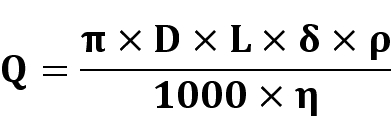
P: Cantidad de recubrimiento (kg)
D: Diámetro del buje (m)
L: Longitud de pulverización (m)
δ: Espesor de diseño (mm)
ρ: Densidad (1.2 g/cm³)
η: Tasa de utilización (0.7)
Proceso de pulverización en capas:
Capa |
Control de espesor |
Tiempo de secado |
Primera capa |
0.15 ± 0.02mm |
30 minutos (25°C) |
Segunda capa |
0.20 ± 0.03mm |
45 min |
Capa final |
0.10 ± 0.02mm |
- |
Condiciones prohibidas:
(1)La velocidad del viento > 3 m/s prohíbe la aplicación en exteriores.
(2)Las fluctuaciones de humedad relativa >10%/h requieren trabajo suspensión.
● Verificación de la calidad del curado
Proceso de inspección de tres niveles:
(1) Inspección visual (2 h después de la aplicación)
– Textura de cáscara de naranja: longitud de onda de 0.5-1.5 mm califica.
– Sin flacidez ni defectos de ojo de pez.
(2) Prueba de rendimiento eléctrico (24 h después del curado)
Elemento de prueba |
Valor estandar |
Método |
Resistencia de aislamiento |
≥5000MΩ |
IEC-60243 1 |
Hidrofobicidad |
Nivel HC1-HC2 |
IEC 62073 |
(3) Verificación de espesor (7 días después del curado)
– Utilice el medidor de espesor de revestimiento Elcometer 456.
– Desviación admisible: ±0.05 mm.
3. Estrategia de mantenimiento a largo plazo
● Modelo de predicción de la vida útil del recubrimiento

L: Esperanza de vida prevista (años)
L₀: Esperanza de vida basal (15 años)
T: Temperatura media anual (°C)
SDD: Densidad de sal equivalente (mg/cm²)
● Ciclo de mantenimiento preventivo
Nivel de entorno |
Ciclo de inspección |
Elementos clave |
Contaminación lumínica |
24 meses |
Prueba de degradación por hidrofobicidad. |
Contaminación severa |
6 meses |
Prueba de espesor de recubrimiento + densidad de sal. |
Areas Costeras |
3 meses |
Exploración de corrosión de iones cloruro. |
En resumen
Los recubrimientos de silicona RTV pueden prevenir más del 95 % de la formación de pistas superficiales en las boquillas del reactor (según los datos del informe CIGRE 338). Siguiendo el proceso estandarizado de preparación de la superficie → pulverización por capas → pruebas cuantitativas, junto con las fórmulas y los parámetros proporcionados en este artículo, la vida útil del recubrimiento puede superar los 12 años. El personal de mantenimiento debe supervisar el coeficiente de adaptabilidad ambiental (K = T × RH/1000) e implementar medidas de protección especiales cuando K > 1.2.
Contáctenos
lushan, est.1975, es un fabricante profesional chino especializado en transformadores de potencia y reactores para50+ años. Los productos líderes son transformador monofásico, trifásico solo transformadores,transformador eléctrico,transformador de distribución, transformador reductor y elevador, transformador de baja tensión, transformador de alta tensión, transformador de control, transformador toroidal, transformador de núcleo R;Inductores de CC, reactores de CA, reactores de filtrado, reactores de línea y carga, bobinas, reactores de filtrado y productos intermedios de alta frecuencia.
Nuestro poder Los transformadores y reactores se utilizan ampliamente en 10 áreas de aplicación: tránsito rápido, maquinaria de construcción, energía renovable, fabricación inteligente, equipos médicos, prevención de explosiones en minas de carbón, sistema de excitación, sinterización al vacío (horno), aire acondicionado central.
Conozca más sobre transformadores de potencia y reactores:www.lstransformer.com.
Si desea obtener soluciones personalizadas para transformadores o reactancias, póngase en contacto con nosotros.
WhatsApp:+86 13787095096
Correo electrónico:[email protected]