
 EN
EN
 FR
FR DE
DE ES
ES
How to Protect Transformers from Gas Corrosion in Chemical Plants? – Comprehensive Strategies & Case Studies
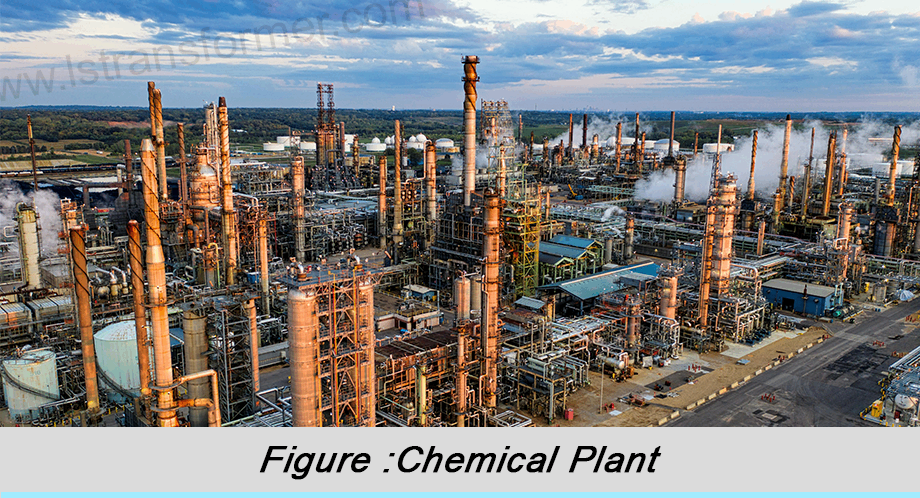
In chemical production zones, transformers face severe challenges due to gas corrosion. The air often contains corrosive gases such as hydrogen sulfide (H₂S), sulfur dioxide (SO₂), and chlorine (Cl₂). These gases accelerate the aging of insulation materials and corrode metal components, leading to shorter equipment lifespan, higher failure rates, and even safety incidents.
According to IEEE Std C57.111-2018, transformers operating transformers operating in corrosive environments may experience a 30%–50% reduction in expected service life compared to normal conditions. This article systematically analyzes the mechanisms of gas corrosion in chemical plant transformers, provides comprehensive protection strategies, and validates their effectiveness through real-world cases—helping you select the most suitable anti-corrosion solution.
Content
1. Sources and Mechanisms of Corrosive Gases in Chemical Zones
Corrosive gases emitted during chemical processes affect transformers through three main pathways:
•Direct Chemical Corrosion:
Acidic gases like SO₂ and H₂S react with metal parts (such as copper windings, cores, and connectors), forming metal sulfides and oxides. For example, the reaction with copper is:
 4Cu+O2+2H2S→2Cu2S+2H2OCu2S+2O2→2CuO+SO2
These by-products weaken mechanical strength and increase contact resistance, causing localized overheating.
•Electrochemical Corrosion:
When corrosive gases dissolve into moisture condensed on transformer surfaces, they form an electrolyte solution that triggers electrochemical reactions. Typical reactions include:
Type | Anode Reaction | Cathode Reaction | Final Product |
Oxygen Corrosion | Fe → Fe²⁺ + 2e⁻ | O₂ + 2H₂O + 4e⁻ → 4OH⁻ | Fe(OH)₂ → Fe₂O₃·H₂O |
Acid Corrosion | Cu → Cu²⁺ + 2e⁻ | 2H⁺ + 2e⁻ → H₂↑ | CuSO₄ / CuCl₂ |
•Insulation Material Degradation:
As noted in IEC 60814, gases like SO₂ can sulfonate cellulose in insulating paper, reducing its degree of polymerization (DP). When DP drops below 200 (from an initial 1000–1200), the paper loses over 80% of its mechanical strength.
2. Comprehensive Protection Strategies & Technical Implementation
lMaterial Selection & Special Design
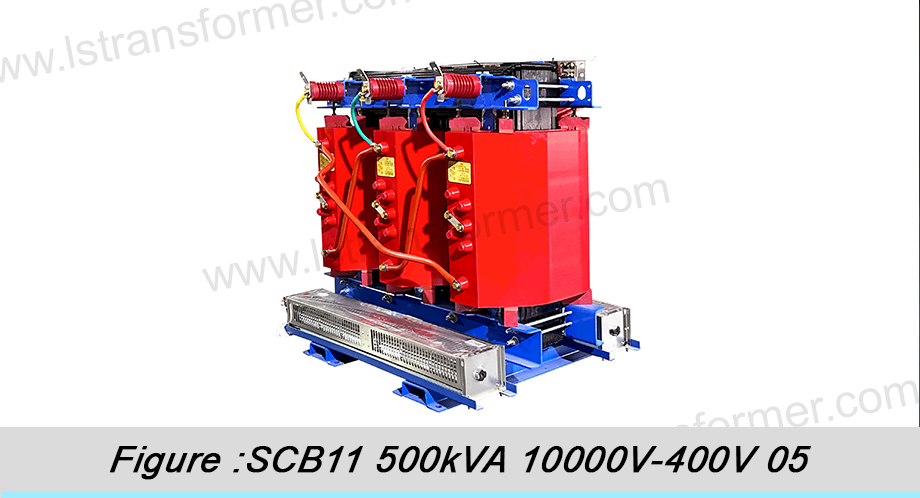
Epoxy resin cast transformers are highly recommended for chemical plant applications. Using vacuum casting technology, windings are fully encapsulated in epoxy resin with a protective layer of 0.5–2 mm and oxygen permeability <0.01 cm³/(m²·day)—effectively blocking corrosive gases. Comparative tests show that in environments with 50 ppm H₂S, traditional oil-immersed transformer windings corrode 6–8 times faster than epoxy resin types.
For metal component protection, adopt a triple-protection system:
•Base Material: Use phosphorus-deoxidized copper (Cu-DHP, CW024A standard), which offers three times better corrosion resistance than regular copper.
•Surface Treatment: Apply tin plating (≥8 μm) or silver plating (≥5 μm) using sacrificial anode principles.
•Seam Sealing: Employ fluoroelastomer gaskets, which provide ten times better SO₂ resistance than nitrile rubber.
lEnvironmental Isolation & Air Treatment
Positive pressure ventilation systems offer effective protection for large oil-immersed transformers. These maintain cabinet pressure 50–100 Pa above the external environment and use triple-stage filtration:
Outside air → Pre-filter (G4 grade) → Chemical filter (activated carbon + KMnO₄ impregnated) → HEPA filter (H13 grade) → Inside cabinet
Real-world data from a petrochemical plant shows this system reduces internal SO₂ concentration from 15 ppm outside to below 0.3 ppm inside.
Nitrogen sealing technology replaces conventional breathers with nitrogen blanketing, maintaining oxygen levels below 0.5% in the conservator space. Key parameter calculation:
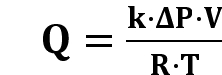 Q=R⋅Tk⋅ΔP⋅V
Where: k = leakage coefficient (0.5–1.5)
 ΔP = pressure fluctuation range (typically 0.2–0.5 kPa)
 V = conservator gas volume (m³)
lMonitoring & Maintenance Systems
An online corrosion monitoring system should include three types of sensors:
•H₂S electrochemical sensor (range 0–100 ppm, accuracy±1 ppm)
•Humidity sensor (dew point range -40 to +60°C)
•Oil corrosion product detection (Fe, Cu content; refer to IEC 60599)
Data from a chemical plant transformer showed thatwhen Fe content exceeds 50 ppm and Cu > 20 ppm in the oil, winding corrosion rates suddenly increase 3–5 times, indicating immediate oil treatment is needed.
Follow the “3-2-1” rule for coating maintenance:
•Infrared thermography inspection every 3 years (to detect coating damage)
•Coating adhesion test every 2 years (cross-cut test≥4B rating)
•Annual surface cleaning and local repair
3. Real-World Case Studies
lCase 1: Epoxy Resin Transformer in a Multinational Chemical Plant
Located in a coastal chemical zone with Cl⁻ concentration up to 80 mg/m³, the company replaced its oil-immersed transformers (average life: 7 years) with epoxy resin units, implementing the following:
•Al₂O₃-filled epoxy resin (improving thermal conductivity by 40%)
•Silicone rubber anti-creepage rings at winding ends (increasing creepage distance by 30%)
•Enclosure made of 316L stainless steel (5x more resistant to Cl⁻than 304 stainless steel)
After 8 years of operation, inspection revealed only 5 µm surface corrosion on windings, compared to 120 µm in the original oil-type units. Load loss remained at 98.5% of the original value.
lCase 2: Integrated Protection for Oil-Immersed Transformer in a Refinery
With annual average H₂S concentration of 25 ppm, the following measures were implemented:
Measure | Implementation | Cost (USD) | Result |
Conservator Upgrade | Nitrogen generator (purity 99.99%) | 12,000 | Oil oxidation reduced by 70% |
Coating Improvement | Polyimide varnish spray (H₂S resistant) | 8,500 | Copper corrosion down 85% |
Environmental Control | Smart ventilation system (variable frequency drive) | 15,000 | Internal H₂S < 2 ppm |
Three-year follow-up data showed an average winding temperature drop of 4 K, and failure-related shutdowns decreased from 3.2 to 0.3 per year.
4. International Standards & Best Practices
Transformer protection in chemical zones should reference these standards:
•IEEE Std C57.12.28-2014: Corrosion Resistance for Sealed Transformers
•ISO 12944-2017: Classification of Corrosive Environments & Protective Coatings
•IEC 60076-11: Dry-Type Transformers for Special Environments
Best practice recommendations:
•Prioritize epoxy resin transformers where H₂S > 10 ppm or SO₂> 5 ppm
•Maintain moisture in oil below 15 ppm for oil-immersed transformers (per IEC 60422)
•Inspect pressure relief valve seals every 500 operational hours
Conclusion
Protecting transformers from gas corrosion in chemical plants requires systematic solutions. This analysis confirms that in moderate corrosive environments (e.g., H₂S 10–30 ppm), using epoxy resin transformers combined with regular maintenance can extend equipment life beyond 15 years. In highly aggressive conditions, integrated approaches including material upgrades, environmental control, and online monitoring are essential.
Companies should select appropriate strategies based on their specific working conditions and conduct regular corrosion assessments to ensure safe and stable transformer operation.
Contact Us
LuShan, est.1975, is a Chinese professional manufacturer specializing in power transformers and reactors for50+ years. Leading products are single-phase transformer, three-phase isolation transformers,electrical transformer,distribution transformer, step down and step up transformer, low voltage transformer, high voltage transformer, control transformer, toroidal transformer, R-core transformer;DC inductors, AC reactors, filtering reactor, line and load reactor, chokes, filtering reactor, and intermediate,high-frequency products.
Our power transformers and reactors are widely used in 10 application areas: rapid transit, construction machinery, renewable energy, intelligent manufacturing, medical equipment, coal mine explosion prevention , excitation system, vacuum sintering(furnace), central air conditioning.
Know more about power transformer and reactor :www.lstransformer.com.
If you would like to obtain customized solutions for transformers or reactors, please contact us.
WhatsApp:+86 13787095096
Email:[email protected]