
 EN
EN
 FR
FR DE
DE ES
ES
What Are the Key Differences Between High-Altitude Transformers and Standard Transformers?
A Complete Guide for Engineers, Purchasers, and Project Planners.In the global deployment of power infrastructure, transformers are essential for efficient electricity transmission and distribution. However, diverse geographical and climatic conditions pose unique challenges for transformer design. Among these, the distinction between high-altitude transformers and standard transformers is a critical topic frequently searched by engineers, buyers, and project planners. This article provides an in-depth comparison of their design, materials, performance, and applications, helping you make informed decisions for projects in high-altitude regions.
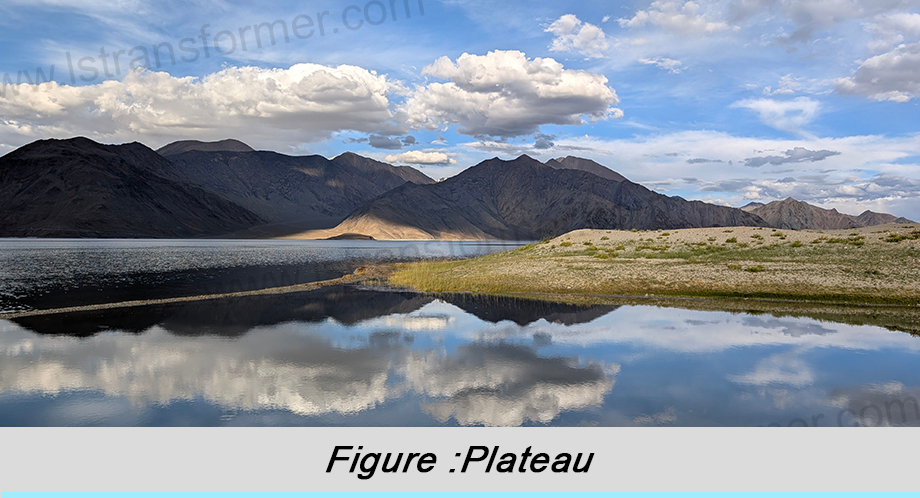
1. Core Design Differences: Engineering for Low Pressure and Harsh Environments
Standard transformers are typically designed for altitudes below 1,000 meters and moderate climates. In contrast, high-altitude transformers are specifically engineered for regions above 1,000 meters (commonly up to 5,000 meters). The core design principles address three main challenges of high-altitude environments:Low air pressure,Strong ultraviolet (UV) radiation,Extreme daily temperature fluctuations.These factors are interconnected and significantly impact the transformer’s insulation, cooling, and mechanical performance.
1.1 Enhanced Insulation System Design
Low air pressure is the most prominent feature of high-altitude environments, leading to reduced air density and lower dielectric strength.
1.1.1 Targeted Measures and Principles:
(1)Increased External Insulation Distance:This is the most direct and effective method. By enlarging the air gaps between high-voltage bushings and between bushings and ground, the reduced insulation strength due to thin air is compensated. According to IEC 60076 standards, for every 1,000 meters above the base altitude, the required external insulation distance must be multiplied by an altitude correction factor greater than 1.
(2)Use of Enhanced Internal Insulation Materials and Techniques:Internally, transformers employ high dielectric strength materials such as high-temperature-resistant NOMEX paper and specialized insulating oils. Additionally, optimized forming and pressing processes for insulation boards minimize internal air gaps, ensuring sufficient safety margins for main and longitudinal insulation under low-pressure conditions.
1.2 Optimized Cooling and Temperature Rise ControlReduced cooling capacity is another critical challenge in high-altitude transformer design, also stemming from low air pressure. Altitude increase → Reduced air density → Decreased heat capacity and airflow (convective heat transfer capability)
1.2.1 Targeted Measures and Principles:One approach is to derate the transformer for high-altitude use, meaning the rated capacity may be based on temperature rise limits at specific altitudes. A more proactive design involves increasing radiator surface area or adding extra cooling fins to compensate for reduced per-unit-area cooling efficiency.
1.3 Improved Weather Resistance of Materials and Construction
Strong UV radiation and extreme temperature variations in high-altitude regions pose long-term risks to transformer exteriors and components. Sealing materials may harden and age, leading to leaks, while metal parts face increased thermal stress fatigue.
1.3.1 Targeted Measures and Principles:
(1)Special Protective Coatings:Use of highly UV-resistant paints such as polyurethane or fluorocarbon coatings. These stable molecular structures effectively reflect or absorb UV rays, maintaining color and adhesion over time while preventing corrosion.
(2)Low-Temperature Resistant Sealing Materials:Selection of sealing gaskets made from acrylic, silicone rubber, or other materials capable of withstanding wide temperature ranges (e.g., -40°C to +125°C). These ensure elasticity and reliable sealing despite extreme cold and heat cycles.
2. Performance Parameters and Standards Certification Comparison
Feature | Standard Transformer (Altitude ≤ 1,000m) | High-Altitude Transformer (Altitude > 1,000m) | International Standards Reference |
External Insulation Level | Standard lightning impulse and power frequency withstand voltage. | Increased. Requires altitude correction per IEC 60071-2 or IEEE C57.12.00. | IEC 60076, IEEE C57.12.00 |
Rated Capacity Labeling | Rated value under standard conditions. | May be labeled as high-altitude applicable capacity or explicitly stated as non-derated at specific altitudes. | IEC 60076-1 |
Temperature Rise Limits | Complies with standard limits (e.g., 65K average winding temperature rise). | Same design targets, achieved through enhanced cooling rather than relaxed limits. | IEC 60076-2 |
Environmental Endurance | Standard corrosion protection (e.g., C3). | Enhanced. UV-resistant coatings, wide-temperature sealing materials. | IEC 60721 (Environmental Classification) |
Design Verification | Passes routine type tests. | Requires external insulation tests under low pressure and thermal performance validation. | IEC 60076-3 |
Conclusion
In summary, the difference between high-altitude transformers and standard transformers lies in environment-specific adaptive engineering versus standardized design. High-altitude transformers incorporate three core engineering enhancements:Reinforced insulation systems,Optimized cooling solutions,Superior weather-resistant materials.These modifications proactively address the harsh conditions of low pressure, intense radiation, and significant temperature swings. As a result, high-altitude transformers deliver reliable, efficient, and long-lasting power performance in elevated regions, matching the reliability expected in lowland areas.