How to Optimize Transformer Structure Design to Reduce Temperature Rise? —Key Technology Analysis

Home > FAQ > Page 38
FAQ

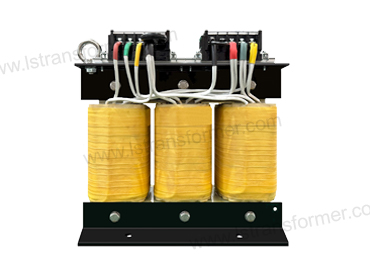
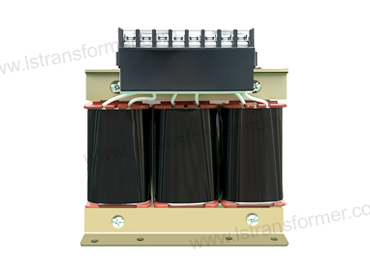
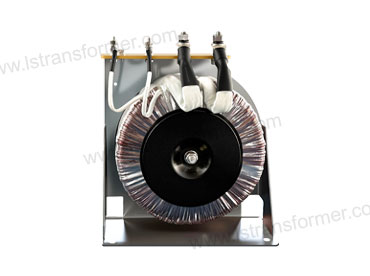
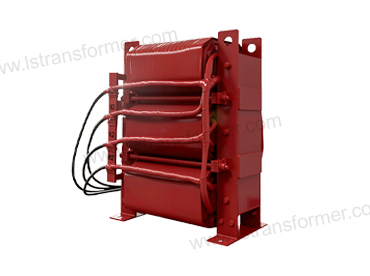
How to Optimize Transformer Structure Design to Reduce Temperature Rise? —Key Technology Analysis

How to Optimize Transformer Structure Design to Reduce Temperature Rise? —Key Technology Analysis In power transmission and distribution systems, transformers are core equipment whose operating temperature directly impacts reliability, energy efficiency, and lifespan. Research data from the International Energy Agency (IEA) shows that for every 10K reduction in transformer temperature rise, the aging rate of
FAQ

Can Excessive Temperature Rise Melt Transformer Insulation Materials? — A Complete Guide to Temperature Rise Parameters

Can Excessive Temperature Rise Melt Transformer Insulation Materials? — A Complete Guide to Temperature Rise Parameters As a critical parameter in transformer operation, temperature rise directly impacts the safe operation and service life of the equipment. This article provides a comprehensive analysis of the core concepts, influencing factors, international standards, and optimization measures related to

FAQ

What Are the Differences Between Cotton Covered Wire, Silk Covered Wire, Film Insulated Wire, and Enameled Wire?

What Are the Differences Between Cotton Covered Wire, Silk Covered Wire, Film Insulated Wire, and Enameled Wire? In the manufacturing of electrical equipment such as transformers, reactors, and motors, the insulation treatment of winding wires is a critical factor determining product performance and reliability. Cotton covered wire, silk covered wire, film insulated wire, and enameled

FAQ

Copper vs. Aluminum Windings in Transformers: Balancing Cost, Efficiency, and Lifespan ​

Copper vs. Aluminum Windings in Transformers: Balancing Cost, Efficiency, and Lifespan In the manufacturing of transformers and reactors, the choice of winding conductor material is a critical decision that directly impacts performance, cost, and long-term reliability. Copper (Cu) and aluminum (Al) are the two most commonly used conductor materials, each with its own advantages and

FAQ

Is Litz Wire Mandatory for High-Frequency Transformers? —An In-Depth Analysis of the Critical Role of Litz Wire in High-Frequency Applications

Is Litz Wire Mandatory for High-Frequency Transformers? —An In-Depth Analysis of the Critical Role of Litz Wire in High-Frequency Applications In the global electronic components market, high-frequency transformers, as core components for power conversion and signal transmission, have always been a focus for engineers and procurement specialists. With the widespread adoption of high-frequency applications such

FAQ

Does the Shortened Lifespan of Reactors in High-Temperature Environments? —Dual Optimization Strategy: Materials and Heat Dissipation

Does the Shortened Lifespan of Reactors in High-Temperature Environments? —Dual Optimization Strategy: Materials and Heat Dissipation Against the backdrop of global energy transition and accelerated industrial intelligence, reactors, as critical components of power systems, have seen their reliability and lifespan become a growing focus for equipment manufacturers, grid operators, and industrial users. High-temperature environments are

FAQ

Why Might the Temperature Rise Distribution in Reactors Be Non-Uniform?

Why Might the Temperature Rise Distribution in Reactors Be Non-Uniform? In power systems, reactors play an indispensable role in current limiting, filtering, and reactive power compensation. However, engineers and maintenance personnel often observe significant temperature differences at different locations within the same reactor. This non-uniform temperature rise not only affects equipment efficiency but also threatens

FAQ

How to Address Excessive Temperature Rise? —A Triple Approach: Radiator Selection, Airflow Optimization, and Hotspot Suppression

How to Address Excessive Temperature Rise? —A Triple Approach: Radiator Selection, Airflow Optimization, and Hotspot Suppression Excessive temperature rise in transformers is a critical issue faced by many power engineers. High temperatures not only accelerate the aging of insulation materials, significantly shortening equipment lifespan, but can also lead to catastrophic failures such as insulation breakdowns,

FAQ

What is the Role of Vacuum Pressure Impregnation (VPI) Process? — The Key Step to Enhance Insulation Life in Dry-Type Transformers

What is the Role of Vacuum Pressure Impregnation (VPI) Process? — The Key Step to Enhance Insulation Life in Dry-Type Transformers In data centers, commercial buildings, renewable energy power stations, and industrial facilities worldwide, low-voltage dry-type transformers have become critical components of power distribution systems due to their core advantages: oil-free operation, fire resistance, environmental

FAQ

Common Connection Methods for Transformer Lead Wires ​—Essential Guide for Global Engineers

Common Connection Methods for Transformer Lead Wires —Essential Guide for Global Engineers Amid the global energy transition and smart grid construction, transformers serve as the core hub of power systems, where the reliability of their connections directly impacts grid safety and energy efficiency. Lead wires, acting as the “lifeline” between transformers and external systems, are

WhatsApp QR WeChat QR sales@hnlsdz.com
Scroll to Top