
 EN
EN
 FR
FR DE
DE ES
ES
¿Cuáles son los requisitos especiales de protección para los transformadores a prueba de explosiones?
¿Cuáles son los requisitos especiales de protección para los transformadores a prueba de explosiones?
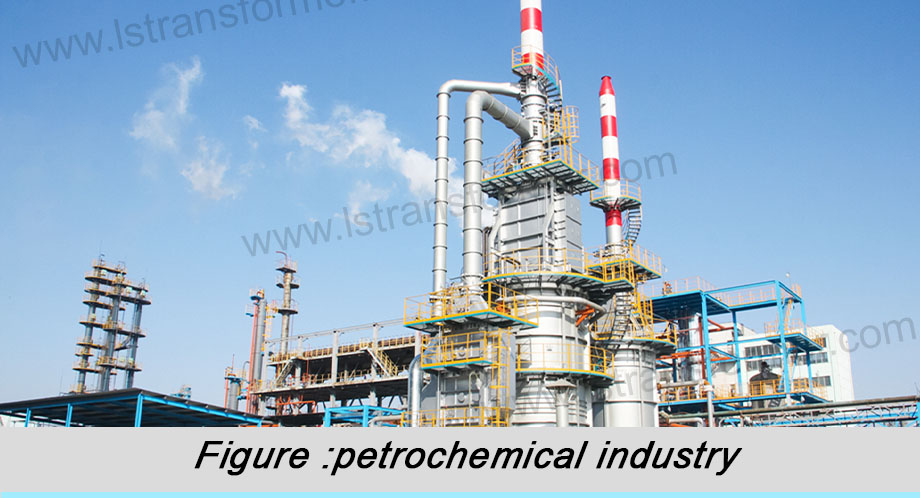
In high-risk industries such as petrochemicals, mining, and pharmaceutical manufacturing, explosion-proof transformers are core equipment for ensuring safe power supply. These special environments are often laden with flammable gases, vapors, or dust – where even a tiny electrical spark can trigger a catastrophic explosion. Therefore, explosion-proof transformers must meet multiple stringent protection requirements far exceeding those of standard products to build a robust safety barrier.
Contenido
1. Enclosure Protection Rating (IP Code): Keeping External Hazards Out
Requisito básico: In explosive atmospheres, the ingress of external dust or water into the equipment can lead to two critical risks:
•Dust Accumulation & Overheating: Conductive dust settling on windings or conductive parts can create abnormal current paths, causing localized overheating due to the Joule heating effect. This temperature rise might exceed the Minimum Ignition Temperature (MIT) of the explosive dust.
•Moisture-Induced Short Circuits / Sparks: Water or high humidity degrades insulation performance, leading to phase-to-phase short circuits or ground faults, generating sparks with sufficient energy to ignite an explosive mixture.
Requisitos especiales:
•IP65:Requires complete protection against dust ("6") and protection against low-pressure water jets from any direction ("5"). This is achieved through precision-engineered sealing gaskets, specialized sealants, and rigid housing structures that physically block dust and water.
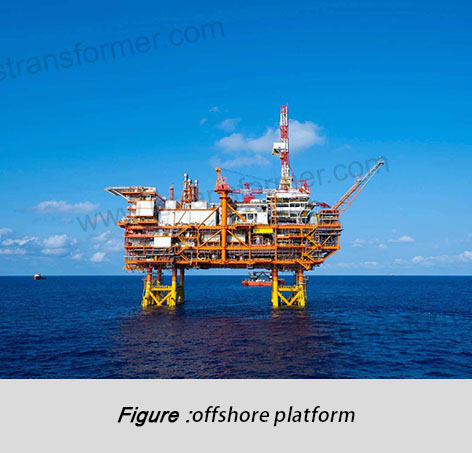
•IP66/IP67: For harsher environments like offshore platforms, wash-down areas, or extremely dusty locations:
–IP66: Protects against powerful water jets. The enclosure needs enhanced structural rigidity and complex multi-layer sealing designs.
–IP67: Protects against temporary immersion. Relies on high-pressure sealing systems and specialized welding/casting processes.
Índice de protección IP |
Protección contra el polvo (1.er dígito) |
Protección del agua (2.º dígito) |
Typical Application in Hazardous Areas |
Métodos de implementación clave |
IP65 |
6 - Dust-tight (No ingress of dust) |
5 - Protected against low-pressure water jets (Water projected by a nozzle against enclosure from any direction shall have no harmful effects). |
Zone 2/22 areas with combustible dust or requiring splash protection (e.g., indoor chemical plants) |
Precision gaskets, sealants, robust housing, sealed terminal boxes |
IP66 |
6 - Dust-tight |
6 - Protected against powerful water jets (Water from heavy seas or powerful jets shall not enter). |
Outdoor areas subject to hosing or strong spray (e.g., offshore platform decks, open-pit mining equipment nearby). |
Reinforced casing, multiple seals, fortified flanges |
IP67 |
6 - Dust-tight |
7 - Protected against temporary immersion (Ingress of water in harmful quantity shall not be possible when immersed). |
Possible short-term flooding in Zone 2/22 (e.g., mine depressions, outdoor areas prone to rainwater accumulation). |
High-pressure seals, special welding/casting, immersion testing verification |
Table 1: Common IP Ratings for Explosion-Proof Transformers
2. Explosion Protection Types & Levels: Controlling Internal Ignition Sources
Merely isolating the enclosure is insufficient. Explosion-proof transformers must also prevent internal ignition sources fundamentally, governed by standards likeSerie IEC 60079 or North American NEC 500/505.
Requisito básico:
Internal transformer faults or normal operation can generate energy capable of igniting the surrounding atmosphere.
Requisitos especiales:
Typically use one or a combination of these methods:
•Caja ignífuga (Ex d):
–Principio: Contains an internal explosion. The robust housing withstands the pressure and prevents transmission to the outside via cooled flame paths.
–Aplicación: Zones 1/2 (Gases), Zones 21/22 (Dust).
•Mayor seguridad (Ex e):
–Principio: Enhances measures to prevent sparks, arcs, or hot surfaces during normal operation.
–Aplicación: Zones 1/2, Zones 21/22. Suitable for components not producing sparks in normal service.
•Pressurized Enclosure (Ex p):
–Principio: Maintains protective gas pressure inside the enclosure to prevent entry of external hazardous atmosphere.
–Aplicación: High-power transformers, Zones 1/2, Zones 21/22.
•Encapsulación (Ex m):
–Principio: Potentially incendive parts are encapsulated in resin, preventing contact with the explosive atmosphere and suppressing spark energy.
–Aplicación: Small transformers/components, Zones 1/2, Zones 21/22.
3. Temperature Class (T‑Class): Strictly Limiting Surface Temperatures
Requisito básico: Hot surfaces from operation can act as an ignition source.
Requisito especial:
•Temperature Classification (T-Code): Maximum surface temperature must be below the Minimum Ignition Temperature of specific gases/dust present.
•Implementación:Enhanced cooling design, power density control, temperature monitoring, high-grade insulating materials.
Clase de temperatura |
Temperatura máxima de la superficie (°C) |
Max Surface Temp (°F) |
Example Flammable Substances |
Impact on Transformer Design |
T1 |
≤ 450 |
≤ 842 |
Ether, Hydrogen, Carbon Disulfide |
Least demanding; conventional designs often suffice. |
T2 |
≤ 300 |
≤ 572 |
Acetylene, Ethylene |
|
T3 |
≤ 200 |
≤ 392 |
Gasoline, Acetone, Benzene |
|
T4 |
≤ 135 |
≤ 275 |
Acetaldehyde, Diethyl Ether |
Common stringent requirement! Demands careful thermal design, larger size/better cooling, premium materials. |
T5 |
≤ 100 |
≤ 212 |
Nitrato de etilo |
Significant cooling challenge; often requires special solutions. |
T6 |
≤ 85 |
≤ 185 |
Carbon Disulfide (specific conditions), some dust clouds |
Extremely demanding; highest design difficulty and cost. |
Table 2: Relationship between Temperature Class (T-Class) and Ignition Temperatures
4. Materials & Construction: Ensuring Durability & Reliability
Requisito básico: Harsh environments demand materials resistant to corrosion, impact, and extreme conditions.
Requisitos especiales:
•Carcasa resistente a la corrosión:Stainless steel or coated carbon steel.
•Stable Sealing Materials: Gaskets made from Fluorocarbon Rubber (FKM/Viton®) or Silicone Rubber (VMQ).
•Reinforced Mechanical Structure: Robust design verified to withstand internal explosions and external impacts.
•Special Insulation Systems:High thermal class materials and impregnation processes ensure stability.
5. Certification & Marking: Passport to Global Markets
Requisito básico:
Mandatory certifications prove compliance with regional regulations.
Requisitos especiales:
•Essential International Certifications:
–ATEX (EU): Mandatory. Requires specific Ex marking.
–IECEx (International): Globally recognized system based on IEC standards.
–North American (e.g., UL, CSA): Compliance with NEC/CEC standards, using Class/Division or Zone systems.
•Clear & Complete Marking:Nameplate must include full details for correct application in designated hazardous areas.
Global Selection & Application Guide
When selecting an explosion-proof transformer, precisely match it to the hazardous area classification, specific flammable substances present, environmental corrosivity, and installation specifics. Understanding the stringent IP ratings, explosion-protection principles, temperature class limits, and material/certification roles is crucial.
While global standards provide the framework, always verify mandatory regional certification requirements. Choosing manufacturers with comprehensive international certifications, strong technical expertise, and support is fundamental for ensuring electrical safety and preventing disasters in high-risk locations. Investing in correctly rated explosion-proof transformers is the ultimate safeguard for lives and operational continuity.
Contáctenos
lushan, est.1975, es un fabricante profesional chino especializado en transformadores de potencia y reactores para50+ años. Los productos líderes son transformador monofásico, trifásico solo transformadores,transformador eléctrico,transformador de distribución, transformador reductor y elevador, transformador de baja tensión, transformador de alta tensión, transformador de control, transformador toroidal, transformador de núcleo R;Inductores de CC, reactores de CA, reactores de filtrado, reactores de línea y carga, bobinas, reactores de filtrado y productos intermedios de alta frecuencia.
Nuestro poder Los transformadores y reactores se utilizan ampliamente en 10 áreas de aplicación: tránsito rápido, maquinaria de construcción, energía renovable, fabricación inteligente, equipos médicos, prevención de explosiones en minas de carbón, sistema de excitación, sinterización al vacío (horno), aire acondicionado central.
Conozca más sobre transformadores de potencia y reactores:www.lstransformer.com.
Si desea obtener soluciones personalizadas para transformadores o reactancias, póngase en contacto con nosotros.
WhatsApp:+86 13787095096
Correo electrónico:[email protected]