
 EN
EN
 FR
FR DE
DE ES
ES
¿Qué significa "Protección contra objetos extraños" en las clasificaciones de protección contra la entrada de polvo y agua (IP)?
¿Qué significa "Protección contra objetos extraños" en las clasificaciones de protección contra la entrada de polvo y agua (IP)?
Para equipos eléctricos y electrónicos, elClasificación de protección de ingreso (IP) es un concepto crítico que define qué tan bien protege un recinto contra la intrusión de objetos sólidos extraños y líquidos. Comprender la "protección contra objetos sólidos" es especialmente importante para equipos de energía clave comotransformadores y reactores, ya que repercute directamente en la seguridad, la fiabilidad y la vida útil.
Este artículo explica qué tipos de objetos están cubiertos por la "protección contra objetos extraños" en las clasificaciones IP, lo que ayuda a los profesionales de la industria eléctrica, incluidos compradores, operadores e ingenieros de mantenimiento, a tomar decisiones informadas al seleccionar o mantener equipos eléctricos.
Contenido
1. Descripción general: Norma internacional para clasificaciones IP (Código de protección contra la entrada de polvo y agua)
El código IP está definido por la norma de la Comisión Electrotécnica Internacional (IEC).IEC 60529, que se utiliza en todo el mundo. Ofrece una forma uniforme de evaluar el rendimiento de protección de las envolventes eléctricas. El código IP generalmente consta de "IP" seguido de dos dígitos:
•Elprimer dígito iIndica el nivel de protección contra objetos sólidos.
•Elsegundo dígito indica el nivel de protección contra líquidos (principalmente agua).
Primer dígito (IP_X) |
Nivel de protección contra sólidos |
Aplicaciones comunes |
0 |
Sin protección |
Equipo abierto |
1 |
objetos de ≥ 50 mm |
Protege contra partes grandes del cuerpo como las manos. |
2 |
objetos de ≥ 12.5 mm |
Impide el acceso con los dedos |
3 |
objetos de ≥ 2.5 mm |
Detiene herramientas y cables gruesos. |
4 |
objetos de ≥ 1 mm |
Detiene cables pequeños y la mayoría de las herramientas pequeñas. |
5 |
Protegido contra el polvo (entrada limitada) |
Puede entrar algo de polvo, pero no debe interferir con el funcionamiento. |
6 |
Hermético al polvo |
Sin entrada de polvo; máxima protección contra objetos sólidos. |
Tabla 1: Códigos IP de primer dígito para la protección contra objetos sólidos extraños.
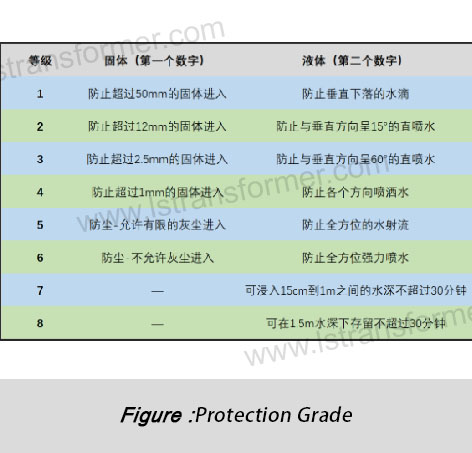
2. Tipos. Tipos de objetos extraños cubiertos por la “Protección de objetos sólidos”.
● Partes del cuerpo humano y seguridad
Uno de los objetivos principales de la protección contra objetos sólidos que ofrece la clasificación IP es prevenir lesiones a las personas:
•Partes grandes del cuerpo (IP1X): Protege contra sólidos de ≥50 mm, como manos o brazos que toquen accidentalmente partes con tensión dentro de un transformador durante la instalación.
•Protección para los dedos (IP2X): Impide el acceso de objetos de ≥12.5 mm (aproximadamente del tamaño de un dedo), lo cual es importante en zonas de acceso público.
•Protección de herramientas (IP3X e IP4X): Protege contra objetos pequeños como destornilladores, sondas de prueba y cables delgados que podrían causar cortocircuitos si los inserta el personal de mantenimiento.
● Partículas sólidas ambientales
Además de la seguridad humana, la protección contra objetos extraños también abarca diversas partículas ambientales:
•Partículas grandes: Las hojas, los insectos y las ramitas pueden obstruir la ventilación o provocar cortocircuitos en exteriores; la protección IP5X (protección contra el polvo) resulta útil en estos casos.
•Polvo fino y arena: Comunes en entornos industriales o desérticos, pueden degradar el aislamiento, provocar malos contactos o desgastar las piezas móviles. La clasificación IP6X (hermética al polvo) garantiza que no entre polvo fino.
•Virutas metálicas y polvo conductor: Presentes en entornos industriales pesados, pueden provocar cortocircuitos o descargas parciales. Las carcasas con un alto grado de protección IP, combinadas con presión positiva interna (por ejemplo, mediante nitrógeno), solucionan este problema de forma eficaz.
● Animales y criaturas pequeñas
La intrusión de animales supone otro riesgo importante para los equipos eléctricos:
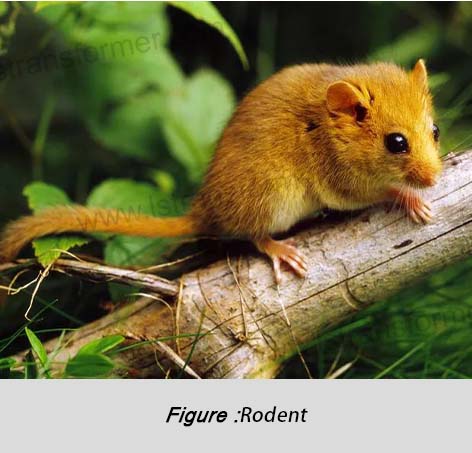
•Roedores (ratas, ratones): Pueden roer cables y aislamiento. Las cajas con clasificación IP4X o superior impiden su entrada. Los materiales especiales antirroedores (por ejemplo, plásticos con capsaicina añadida) ofrecen una mayor protección.
•Aves y reptiles: Las aves que anidan o las serpientes que entran en los equipos pueden provocar cortocircuitos y generar humedad. La protección IP5X con malla y sellos funciona bien.
•Insectos y arañas: Incluso los insectos más pequeños o las telarañas pueden obstruir las rejillas de ventilación o interrumpir las conexiones. Las carcasas totalmente selladas con clasificación IP6X son la mejor opción, especialmente en climas tropicales y húmedos.
3. Factores que influyen en la elección de la calificación de propiedad intelectual.
Elegir la clasificación IP adecuada depende de varios factores:
● Entorno de instalación
El lugar donde instale el dispositivo es lo más importante:
•Espacios interiores limpios (por ejemplo, salas de servidores) → A menudo IP3X / IP4X
•Uso general en exteriores → Como mínimo IP54 (resistente a la lluvia y al polvo arrastrado por el viento)
•Zonas industriales/polvorientas → Se recomienda IP65 o superior.
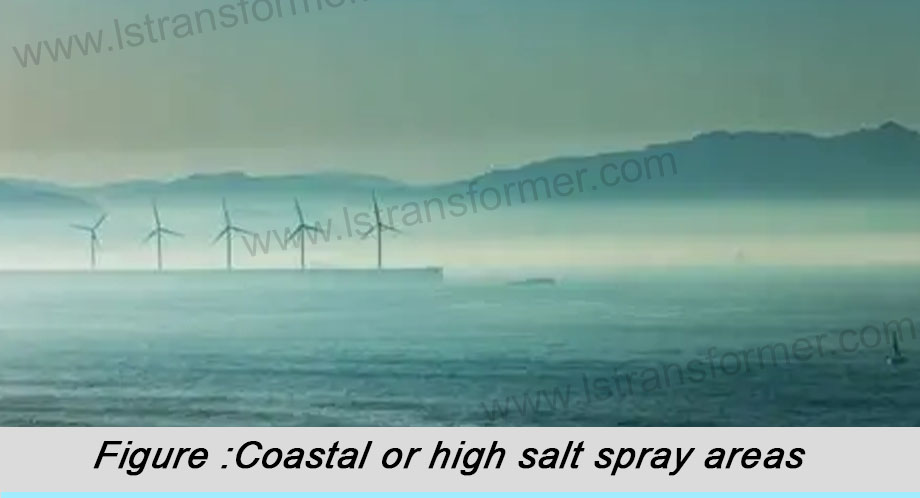
•Ambientes costeros/salinos → Requieren protección IP66 y diseño resistente a la corrosión.
● Tipo de equipo y nivel de voltaje
Los distintos tipos de transformadores tienen necesidades diferentes:
•Transformadores de tipo seco: Son más sensibles a la contaminación debido a la ausencia de aceite aislante → a menudo necesitan índices de protección IP más altos.
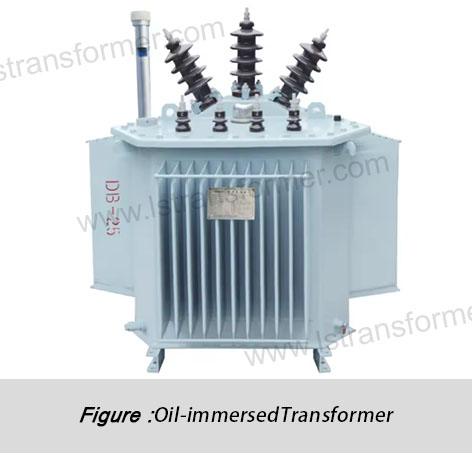
•Transformadores sumergidos en aceite: El aceite proporciona cierta protección, pero el sellado del tanque aún requiere niveles de protección IP adecuados.
•Reactores (especialmente los de núcleo de aire): Necesitan un equilibrio entre refrigeración y protección.
Los dispositivos de mayor voltaje generalmente requieren índices de protección IP más altos, ya que los objetos extraños pueden provocar fallos graves en el aislamiento o riesgos de formación de arcos eléctricos.
● Equilibrio entre necesidades de refrigeración y protección
Un mejor sellado tiende a reducir la eficiencia de la disipación de calor, una desventaja que se aborda mediante soluciones de diseño:
•Hasta IP5X: Posibilidad de diseños de ventilación que utilicen el flujo de aire natural.
•IP6X y superiores: Requieren aletas, ventiladores, refrigeración líquida, etc.
•Las tecnologías especiales de gestión térmica (tubos de calor, materiales de cambio de fase) ayudan a mantener un alto nivel de protección al tiempo que se controla el calor.
Fórmula de transferencia de calor:
Q = h×A×ΔT
dónde
•Q = calor disipado (W)
•h = coeficiente de transferencia de calor (W/m²)²·K)
•A = área de superficie efectiva (m²)²)
•ΔT = diferencia de temperatura entre el equipo y el entorno (K)
Mejorar el índice IP suele reducir h, por lo que los diseñadores lo compensan aumentando A (área de superficie) o permitiendo un ΔT mayor (temperatura de funcionamiento más alta).
4. Medidas técnicas para lograr altos índices de protección IP
● Diseño de sellado
Un buen sellado es fundamental para una alta protección IP:
•Juntas estáticas: Las juntas de goma y las tiras de silicona rellenan los huecos microscópicos en las uniones.
•Sellos dinámicos: Para piezas móviles (bisagras, pomos), los sellos de laberinto, los sellos magnéticos y los sellos de eje giratorio amplían las vías de intrusión o utilizan la repulsión magnética.
•Sellos de entrada de cables: Utilice prensaestopas (por ejemplo, conectores roscados PG) o compuestos de encapsulado. Los tubos termorretráctiles de doble pared mejoran aún más la fiabilidad.
● Selección de materiales y tratamiento de superficies
El material de la carcasa afecta a la durabilidad y la protección:
•Carcasas metálicas: El acero inoxidable o el aluminio con recubrimientos de pasivación/pintura resisten la corrosión.
•Plásticos de ingeniería: por ejemplo, poliéster reforzado con fibra de vidrio, policarbonato: buena capacidad de sellado, resistencia a la intemperie, ligereza.
•Recubrimiento de protección: Los recubrimientos antihumedad, antihongos y antisal protegen las placas de circuito impreso internas ("protección de PCB del transformador").
● Sistemas de ecualización de presión y respiración
Los recintos completamente sellados se enfrentan a diferencias de presión debidas a los cambios de temperatura:
•Respiraderos: Las válvulas rellenas de desecante permiten el paso del aire pero bloquean la humedad y el polvo, lo que las hace aptas para la clasificación IP55.
•Membranas ecualizadoras de presión: Las membranas de PTFE expandido permiten el intercambio de gases pero impiden el paso de líquidos y sólidos; se utilizan en entornos con protección IP67/IP68.
•Sistemas de presurización: Mantenga una ligera presión positiva en el interior (por ejemplo, +50–100 Pa) para evitar la entrada de contaminantes, algo común entransformadores con aislamiento de gas.
5. Pruebas y verificación de clasificaciones IP
Los fabricantes realizan pruebas estandarizadas para verificar los índices de protección IP declarados según la norma IEC 60529:
● Pruebas de protección de objetos sólidos
•IP1X – IP4X: Las sondas de prueba (dedo de prueba articulado, cable metálico, etc.) de los diámetros especificados no deben entrar en contacto con partes peligrosas.
•Prueba de polvo IP5X: El dispositivo se expone a polvo de talco que circula en una cámara de prueba durante 8 horas; se permite una cantidad mínima de polvo en el interior.
•Prueba de estanqueidad al polvo IP6X: Similar a la IP5X, pero más estricta: no se permite la entrada de polvo, verificada mediante métodos de vacío o sobrepresión.
● Normas internacionales relacionadas
Otras normas relevantes incluyen:
•Norma IEEE C57.12.00 (transformadores sumergidos en aceite)
•EN 60076-11 (transformadores de tipo seco)
•NEMA 250 (Estándares norteamericanos para envolventes de gabinetes)
Índice de protección IP |
Equivalente aproximado según NEMA |
Entorno de uso típico |
IP20 |
NEMA 1 |
Uso general en interiores |
IP54 |
NEMA 3 |
Al aire libre, lluvia y polvo |
IP65 |
NEMA 4 |
Resistente al polvo y a los chorros de agua. |
IP67 |
NEMA 6 |
inmersión temporal |
IP68 |
NEMA 6P |
Inmersión prolongada |
Tabla 2: Correlación aproximada entre las clasificaciones IP y las clasificaciones NEMA.
Conclusión y recomendaciones
La "protección contra objetos extraños" dentro de las clasificaciones IP abarca una amplia gama, desde partes grandes del cuerpo hasta micropartículas de polvo, en un sistema claro y escalonado.
Cuando se seleccionatransformadores y reactoresConsidere su entorno, el tipo de equipo, las necesidades de refrigeración y el costo. Recomendamos:
1. Evalúe los riesgos específicos de objetos extraños en el sitio antes de elegir una clasificación IP (consulte las pautas de evaluación del sitio del transformador).
2. Evite especificar en exceso las clasificaciones IP a expensas de la refrigeración y el presupuesto.-La clasificación IP55 a IP65 es adecuada para la mayoría de los usos en exteriores.
3. Inspeccione y mantenga regularmente los sellos y respiraderos para que la protección no se degrade.
4. Para condiciones adversas (plantas químicas, zonas costeras), combine la protección IP estándar con características anticorrosión o a prueba de explosiones.
Al comprender con exactitud qué significa técnicamente la "protección contra objetos extraños", los compradores y operadores de equipos eléctricos pueden tomar decisiones más acertadas, garantizando un funcionamiento seguro a largo plazo y optimizando los costes del ciclo de vida.
Contáctenos
lushan, est.1975, es un fabricante profesional chino especializado en transformadores de potencia y reactores para50+ años. Los productos líderes son transformador monofásico, trifásico solo transformadores,transformador eléctrico,transformador de distribución, transformador reductor y elevador, transformador de baja tensión, transformador de alta tensión, transformador de control, transformador toroidal, transformador de núcleo R;Inductores de CC, reactores de CA, reactores de filtrado, reactores de línea y carga, bobinas, reactores de filtrado y productos intermedios de alta frecuencia.
Nuestro poder Los transformadores y reactores se utilizan ampliamente en 10 áreas de aplicación: tránsito rápido, maquinaria de construcción, energía renovable, fabricación inteligente, equipos médicos, prevención de explosiones en minas de carbón, sistema de excitación, sinterización al vacío (horno), aire acondicionado central.
Conozca más sobre transformadores de potencia y reactores.:www.lstransformer.com.
Si desea obtener soluciones personalizadas para transformadores o reactancias, póngase en contacto con nosotros.
WhatsApp:+86 13787095096
Correo electrónico:[email protected]