





What is the purpose of measuring the no-load voltage and no-load current?

La maison > Auteur : 369703005 > Page 8
FAQ

What is the purpose of measuring the no-load voltage and no-load current?

What is the purpose of measuring the no-load voltage and no-load current? Measuring the no-load voltage and no-load current is a critical aspect of assessing transformer performance and quality. These measurements can reveal the operational status and characteristics of the transformer under no-load conditions, providing essential data support for design, manufacturing, and maintenance. The primary […]
FAQ

What is the definition of the no-load characteristics measurement?

What is the definition of the no-load characteristics measurement? The measurement of a transformer’s no-load characteristics is one of the key methods for assessing its performance and efficiency.No-load characteristics refer to the parameters measured and recorded when the secondary winding of the transformer is open-circuited, i.e., with no load connected, and specific excitation conditions are applied.

FAQ

How is the AC magnetization curve defined for silicon steel sheets?

How is the AC magnetization curve defined for silicon steel sheets? Silicon steel sheets are widely used in power transformers and electrical machines, and their magnetic properties directly affect the efficiency and performance of the equipment. When studying the magnetic properties of silicon steel sheets, the AC magnetization curve (B-H curve) is a crucial concept and

FAQ

How is the cutting process of the iron core conducted?

How is the cutting process of the iron core conducted? Thecore cutting process is crucial in transformer manufacturing, directly affecting the core’s performance and quality. To ensure the quality of the core during cutting, various technologies and methods are typically employed. The main cutting techniques include: Content 1. Wheel Cutting Process: (1) Wheel Selection:  For cutting

FAQ

Comment est une Résine Époxy de Type Sec Transformateur Coulé et Moulé?

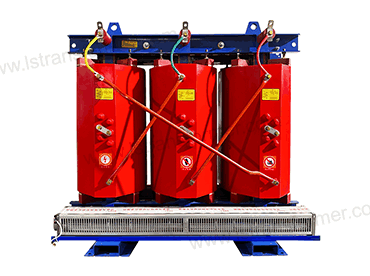
How is an Epoxy Resin Dry-Type Transformer Cast and Molded? Epoxy resin dry-type transformers are widely used high-voltage electrical equipment in power systems. Unlike oil-immersed transformers, they do not use liquid coolants but are insulated and cooled by air or other solid insulating materials. The manufacturing process of epoxy resin dry-type transformers is not only

FAQ

Quelles sont les méthodes de refroidissement pour les transformateurs à sec?

What are the cooling methods for dry-type transformers? The cooling methods for dry-type transformers are critical for their performance and reliability. Effective cooling measures ensure that the transformer maintains an appropriate operating temperature during operation, thereby extending its service life and improving overall efficiency. The primary cooling methods for dry-type transformers include the following: Content

FAQ

Quelles sont les caractéristiques structurelles de la résine d'époxy transformateurs à sec?

What are the structural characteristics of epoxy resin dry-type transformers? Content 1. Winding Materials and Structure The high and low voltage windings of epoxy resin dry-type transformers are entirely made ofcopper strips (foils). Copper strip windings not only have lower resistance, effectively reducing winding losses, but also enhance the overall efficiency of the transformer due

FAQ

What are the Reasons and Prevention Methods for Excessive Verticality Deviation of the Core?

What are the Reasons and Prevention Methods for Excessive Verticality Deviation of the Core? Core verticality deviation can lead to damage in the electrical performance and mechanical structure of transformers. Therefore, it is crucial to strictly control the verticality of the core during manufacturing to ensure the normal operation and long lifespan of the transformer. Below

FAQ

What are the Causes and Prevention Methods for Positive Tolerance Exceeding on Both Sides of the Maximum Diameter of the Core?

What are the Causes and Prevention Methods for Positive Tolerance Exceeding on Both Sides of the Maximum Diameter of the Core? Content 1.Cause Analysis (1) Thickness Deviation During Core Stacking: During the core stacking process, if the thickness of the laminations in each layer is generally thicker, it will directly result in the overall thickness and

WhatsApp QR WeChat QR IVL 0.013mH-610A
Faire défiler vers le Haut