





L'Utilisation de la Tension de Ratio en une Seule Phase

La maison > FAQ > Page 17
FAQ

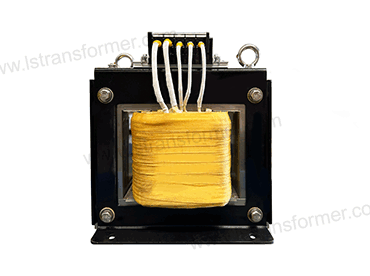
L'Utilisation de la Tension de Ratio en une Seule Phase

The Use of Voltage Ratio in Single-Phase TransformersSingle-phase transformers are commonly used in many electrical applications to either step up or step down the voltage of the power supply. The voltage ratio of a transformer refers to the ratio of the input voltage to the output voltage. This ratio is determined by the number of
FAQ

L'Utilisation et la Comparaison de la Feuille de Bobinage et Fils de Bobinage

The Use and Comparison of Foil Winding and Wire Winding Foil winding and wire winding are two commonly used methods in transformer winding. Foil winding is mainly used in transformers above 200A, while wire winding is used in transformers below 200A. The two methods have their advantages and disadvantages. Foil winding is a technique that

FAQ

La Différence Entre le conducteur Neutre et le Fil de Terre

The Difference Between Neutral Wire and Ground Wire In an electrical system, neutral and ground wires play essential roles in ensuring safety and preventing electrical hazards. While the two terms are often used interchangeably, they serve different functions. A neutral wire is a type of wire that carries current back from electrical equipment to the

FAQ

Comparaison de l'Autotransformateur et Transformateur d'Isolement en Termes de Capacité de Calcul Basé sur la Tension de Ratio

Comparison of Autotransformer and Isolation Transformer in Terms of Capacity Calculation Based on Voltage Ratio The capacity of a transformer is an essential parameter that determines its suitability for various applications. Autotransformers and isolation transformers can be compared based on their capacity calculation using the voltage ratio. (1) In an autotransformer, the voltage ratio is

FAQ

La Différence Entre la Phase de la Tension et de la Tension de Ligne

The Difference Between Phase Voltage and Line Voltage In an AC electrical system, voltage is an important factor to consider when designing and implementing electrical equipment. Two commonly used voltage measurements in AC systems are phase voltage and line voltage. Although they may seem similar, there are significant differences between them. Phase voltage refers to

FAQ

Comment Choisir la Capacité d'un Transformateur?

How to Choose the Capacity of a Transformer? Transformers are essential components in the power distribution system, and their capacity determines the amount of electrical power they can handle. Selecting the right transformer capacity is critical for ensuring efficient and reliable operation of the electrical system. The capacity of a transformer is determined by its

FAQ

Que Faire Lors d'un Transformateur Obtient l'Humidité?

What to Do When a Transformer Gets Moisture? Transformers are important electrical devices that are used to transfer electrical energy from one circuit to another through electromagnetic induction. However, like any other electrical device, transformers are susceptible to damage from various factors, including moisture. When a transformer gets moisture, it can lead to several problems,

FAQ

Qu'est-ce que les différences entre le Type Coque et le Noyau de Transformateurs

What is the differences between Shell-Type and Core-Type Transformers Transformers are essential devices in the transmission and distribution of electrical power. They are used to step up or step down voltage levels as required in various applications. The two most common types of transformers are the shell-type and core-type transformers. The primary difference between these

FAQ

Peut un 1000kVA Transformateur de Puissance d'un 1000kW Charge?

Can a 1000kVA Transformer Power a 1000kW Load? The short answer is yes, a 1000kVA transformer can theoretically power a 1000kW load, but it depends on several factors. Firstly, it is important to understand the difference between kVA and kW. KVA (kilovolt-ampere) is a unit of apparent power, which represents the total amount of power

WhatsApp QR WeChat QR IVL 0.013mH-610A
Faire défiler vers le Haut