






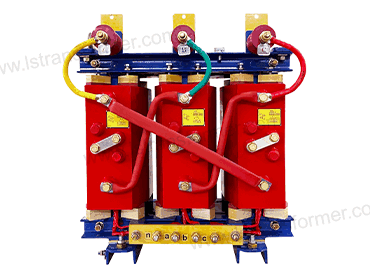
La Gestion thermique et de Contrôle de la Température de la Stratégie pour le Vide de Résine Époxy Fonte Transformateur
Thermal management and temperature control are crucial for the safe and efficient operation of vacuum epoxy resin cast transformers. The transformer should be designed with proper thermal management to prevent overheating, which can cause insulation failure and even fire hazards. The temperature inside the transformer should be controlled within a...
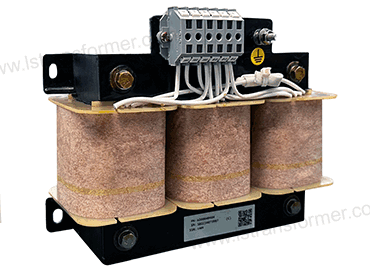
Quel est le But et la Signification de Test des décharges Partielles
What’s the Purpose and Significance of Partial Discharge Testing Partial discharge refers to the phenomenon of discharge that occurs between electrodes but does not penetrate them. It is caused by weaknesses in the insulation of electrical equipment or defects in the manufacturing process, leading to repeated breakdowns and extinguishing under high...
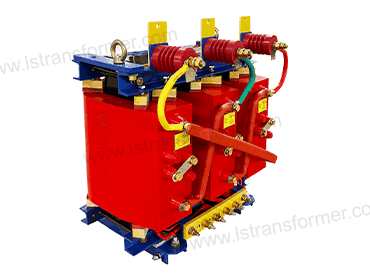
Les essais Requis pour le Vide de Résine Époxy Fonte des Transformateurs
Vacuum epoxy resin cast transformers are widely used due to their various advantages, including low noise, low partial discharge, high reliability, and long service life. To ensure the safe and stable operation of these transformers, several tests need to be conducted before putting them into operation. (1) Insulation resistance test:...
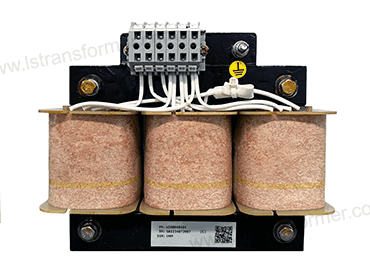
Quels sont les niveaux de tension de la transmission et de la transformation des lignes en Chine? Comment peut-on distinguer entre step-up et des transformateurs abaisseurs de tension?
What are the voltage levels of transmission and transformation lines in China? How can we distinguish between step-up and step-down transformers? In China, the voltage levels of transmission and transformation lines include the following values (kV): 0.38, 3, 6, 10, 15 (20), 35, 60, 110, 220, 330, 500. The voltage...
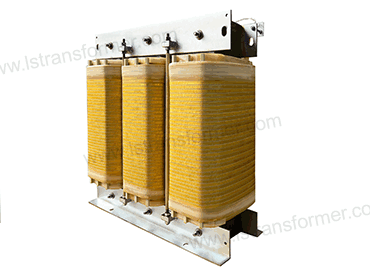
Comment sont les Transformateurs de Puissance Classée par l'Isolation et du Milieu de Refroidissement?
How are Power Transformers Classified by Insulation and Cooling Medium? Power transformers can be classified based on the insulation and cooling media of the winding, mainly including liquid-immersed, gas, and dry-type transformers. 1. Liquid-Immersed Transformers: Liquid-immersed transformers use insulating liquid to immerse the winding and the insulation outside the winding. This...
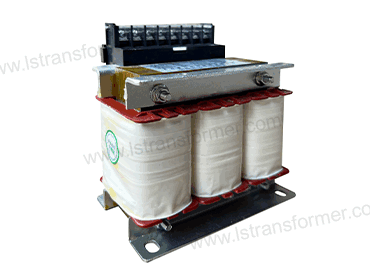
Quelles sont les pannes les classifications des transformateurs?
What are the fault classifications of transformers? Faults in oil-immersed power transformers are generally divided into two main categories: internal faults and external faults. Internal faults primarily occur within the transformer's oil tank, including phase-to-phase short circuits between winding groups, turn-to-turn short circuits between winding turns, and grounding faults caused...
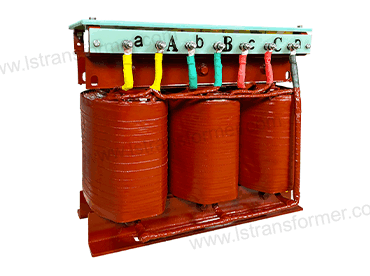
Les Paramètres de Performance et Leur Impact sur le Coût
Performance Parameters and Their Impact on Cost 1. Short-Circuit Impedance The short-circuit impedance affects the voltage regulation and reactive power losses of transformers. A higher short-circuit impedance improves voltage regulation but results in a larger short-circuit current magnitude, influencing the power grid and system. For shell-type transformers, the presence of...
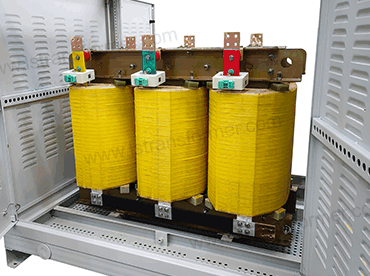
Transformateur de puissance de la Classification par la Structure
Power transformers can be classified into two types based on their structure: core-type transformers and shell-type transformers. 1. Core-Type Transformers: The winding of a core-type power transformer is cylindrical, and the cross-section of the core column is approximately cylindrical. The high-voltage and low-voltage windings are concentrically arranged, and the body...
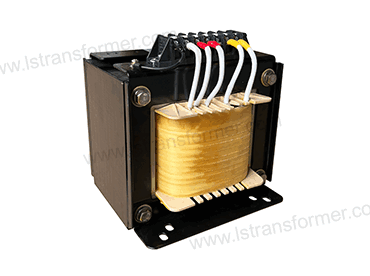
Les Principes et les Avantages de l'Utilisation d'un Glissement de Noyau de Transformateur
The principle of operation for a sliding core transformer is based on the concept of "sliding." The transformer consists of two coils, one of which is connected to the primary side, and the other to the secondary side. The coils are separated by a ferrite core, which is affixed to...
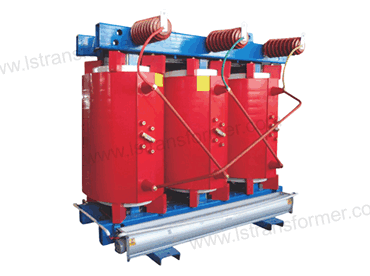
Avantages pour l'environnement de Vide Époxy de Coulée Transformateur
Vacuum epoxy casting technology has been widely used in the production of transformers, as it offers a range of advantages in terms of performance, safety and cost. However, it is also important to consider the environmental benefits of this technology, which are becoming increasingly important in the modern world. This...
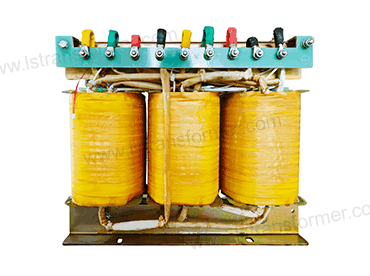
Comment aborder Transformateur Augmentation de la Température Raisonnable?
How to Approach Transformer Temperature Rise Reasonably? Perspectives on temperature rise encompass various aspects essential for the long-term stable operation of transformers, specifically in the following dimensions: (1) Safety: The prudent control of temperature rise aims to ensure that the internal temperature of the transformer does not exceed safety limits....
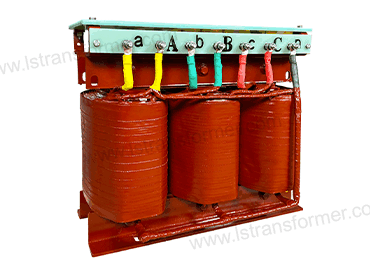
Qu'est-ce que la classe thermique d'un transformateur?
What is the thermal class of a transformer? The thermal class of a transformer typically refers to the thermal stability of its insulation system, a crucial factor directly impacting the temperature endurance during prolonged operation. This classification is commonly denoted by letters such as A, E, B, F, H, each...

