






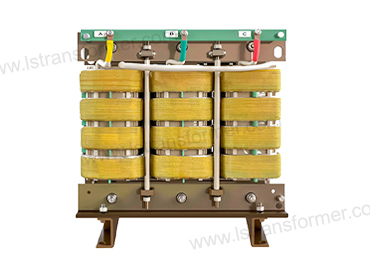
Quelles Sont les Différences Entre le Coton Recouvert de Fil, de Soie Recouvert de Fil, Film Fil Isolé, et de Fil Émaillé?
What Are the Differences Between Cotton Covered Wire, Silk Covered Wire, Film Insulated Wire, and Enameled Wire? In the manufacturing of electrical equipment such as transformers, reactors, and motors, the insulation treatment of winding wires is a critical factor determining product performance and reliability. Cotton covered wire, silk covered wire,...
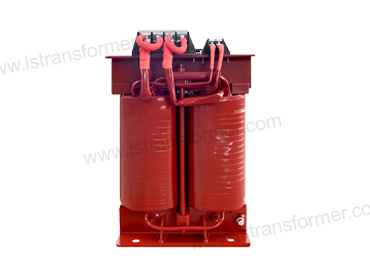
De cuivre par rapport à l'Aluminium bobinage de Transformateurs: l'équilibre entre le Coût, l'Efficacité et la durée de Vie
Copper vs. Aluminum Windings in Transformers: Balancing Cost, Efficiency, and Lifespan In the manufacturing of transformers and reactors, the choice of winding conductor material is a critical decision that directly impacts performance, cost, and long-term reliability. Copper (Cu) and aluminum (Al) are the two most commonly used conductor materials, each...
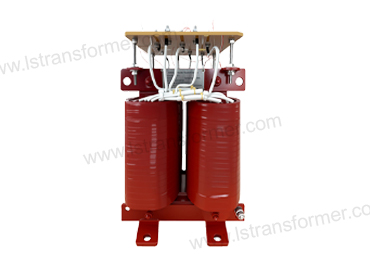
Is Litz Wire Mandatory for High-Frequency Transformers? —An In-Depth Analysis of the Critical Role of Litz Wire in High-Frequency Applications
Is Litz Wire Mandatory for High-Frequency Transformers? —An In-Depth Analysis of the Critical Role of Litz Wire in High-Frequency Applications In the global electronic components market, high-frequency transformers, as core components for power conversion and signal transmission, have always been a focus for engineers and procurement specialists. With the widespread...
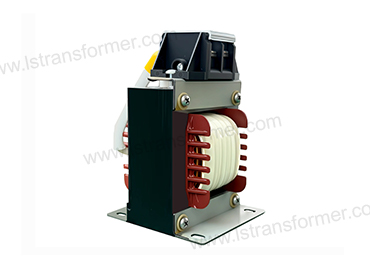
Le Raccourcissement de la durée de Vie des Réacteurs dans des Environnements à Haute Température? —La double Stratégie d'Optimisation: les Matériaux et la Dissipation de la Chaleur
Does the Shortened Lifespan of Reactors in High-Temperature Environments? —Dual Optimization Strategy: Materials and Heat Dissipation Against the backdrop of global energy transition and accelerated industrial intelligence, reactors, as critical components of power systems, have seen their reliability and lifespan become a growing focus for equipment manufacturers, grid operators, and...
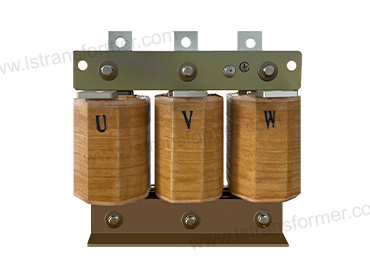
Why Might the Temperature Rise Distribution in Reactors Be Non-Uniform?
Why Might the Temperature Rise Distribution in Reactors Be Non-Uniform? In power systems, reactors play an indispensable role in current limiting, filtering, and reactive power compensation. However, engineers and maintenance personnel often observe significant temperature differences at different locations within the same reactor. This non-uniform temperature rise not only affects...
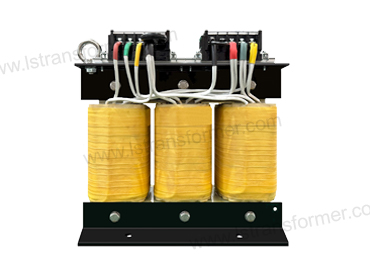
Comment Aborder un échauffement Excessif? —Une Triple Approche: Radiateur de Sélection, Optimisation de la circulation de l'Air, des points d'accès et de Suppression
How to Address Excessive Temperature Rise? —A Triple Approach: Radiator Selection, Airflow Optimization, and Hotspot Suppression Excessive temperature rise in transformers is a critical issue faced by many power engineers. High temperatures not only accelerate the aging of insulation materials, significantly shortening equipment lifespan, but can also lead to catastrophic...
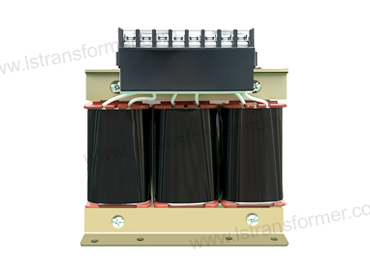
Quel est le Rôle de la Pression de Vide Imprégnation (VPI) Processus? — L'Étape Clé pour Améliorer l'Isolation de la Vie dans les Transformateurs à Sec
What is the Role of Vacuum Pressure Impregnation (VPI) Process? — The Key Step to Enhance Insulation Life in Dry-Type Transformers In data centers, commercial buildings, renewable energy power stations, and industrial facilities worldwide, low-voltage dry-type transformers have become critical components of power distribution systems due to their core advantages:...
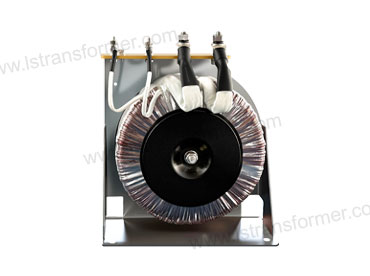
Commune de Méthodes de Connexion pour Transformateur de Fils —Guide Essentiel pour les Ingénieurs Globaux
Common Connection Methods for Transformer Lead Wires —Essential Guide for Global Engineers Amid the global energy transition and smart grid construction, transformers serve as the core hub of power systems, where the reliability of their connections directly impacts grid safety and energy efficiency. Lead wires, acting as the "lifeline" between...
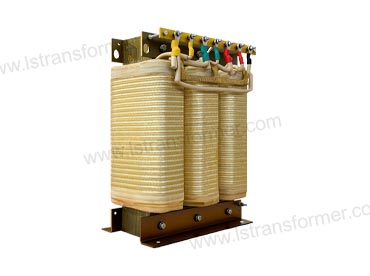
Que Faire Lorsque le chef de la Longueur de Fil Est Insuffisante Pendant Sur Site Transformateur de l'Installation?
What to Do When the Lead Wire Length Is Insufficient During On-Site Transformer Installation? On-site transformer installation is a complex and meticulous task, and insufficient length of high-voltage bushing lead wires is a common challenge engineers face. This issue not only delays project timelines but may also lead to increased...
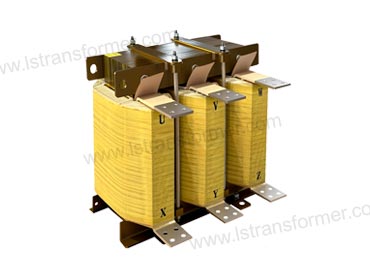
La façon de Traiter avec la Surface de Suivi sur la Bague? —Les Considérations clés pour l'Application d'un Revêtement de Silicone RTV
How to Deal with Surface Tracking on Bushing? —Key Considerations for RTV Silicone Coating Application Surface tracking on reactor bushings is a critical cause of power equipment failures. According to the IEEE 1584-2018 standard, 35% of insulation failure cases are directly attributed to tracking phenomena. This article systematically explains solutions...
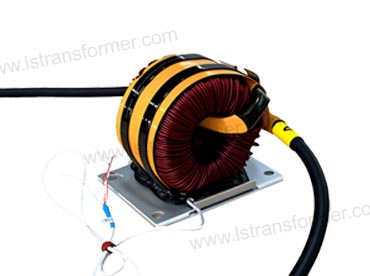
Exigences particulières pour l'Enroulement de Conducteurs en Alliage Amorphe Transformers: l'Analyse Technique et des Normes Internationales du Guide
Special Requirements for Winding Conductors in Amorphous Alloy Transformers: Technical Analysis and International Standards Guide As a revolutionary material in the transformer industry, amorphous alloy is renowned for its extremely low core loss, reducing no-load energy consumption by 60%-80%. However, its unique operational characteristics also impose higher demands on winding...
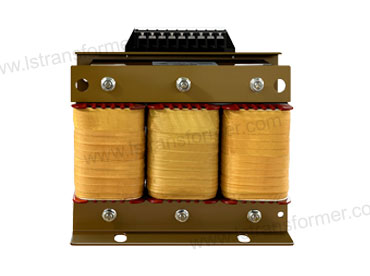
Comment faire pour Déterminer le Seuil de Sécurité pour la Densité de Courant dans les Bobinages de Transformateur?
How to Determine the Safe Threshold for Current Density in Transformer Windings? Transformers are indispensable core components in power systems, and the safe threshold for current density in their windings directly impacts the equipment's reliability, efficiency, and lifespan. This article provides a detailed analysis of the key factors influencing current...

