






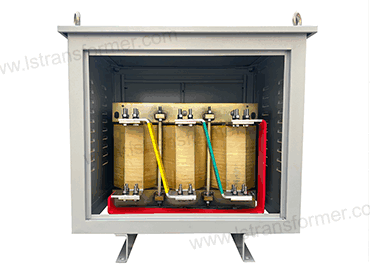
What is the core loss of a transformer?
What is the core loss of a transformer? The core plays a crucial role in electrical equipment such as transformers and motors, and core loss is an important factor that affects the performance and efficiency of these devices. Understanding the composition of core loss and its influencing factors has far-reaching...
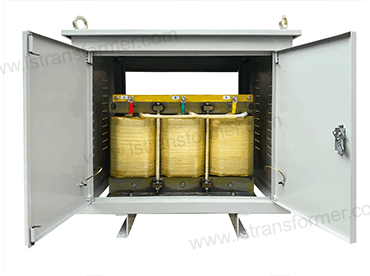
What are the Reasons for the Noise Generated by Transformers?
What are the Reasons for the Noise Generated by Transformers? Transformers will inevitably generate noise during operation. Understanding the reasons for the noise is crucial for reducing noise, optimizing transformer performance, and ensuring the stable operation of the power system. The sources of transformer noise are relatively complex and can...
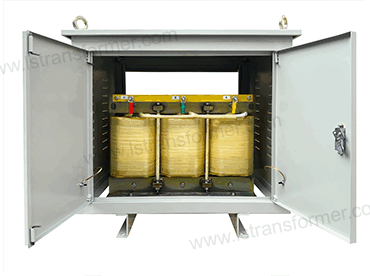
What is rated capacity?
What is rated capacity? Rated capacity refers to the conventional value of apparent power below the main tap. The capacity specified on the transformer nameplate is the rated capacity, representing the situation when the tap switch is at the main tap, i.e., the product of rated no-load voltage, rated current,...
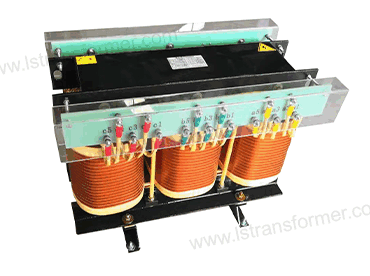
What impacts will insulation aging have on transformers?
What impacts will insulation aging have on transformers? Transformers are crucial equipment in the power system, and their normal operation is of vital importance for ensuring the stability and reliability of power supply. The insulation system is an essential part of transformers. However, insulation aging will cause numerous impacts on...
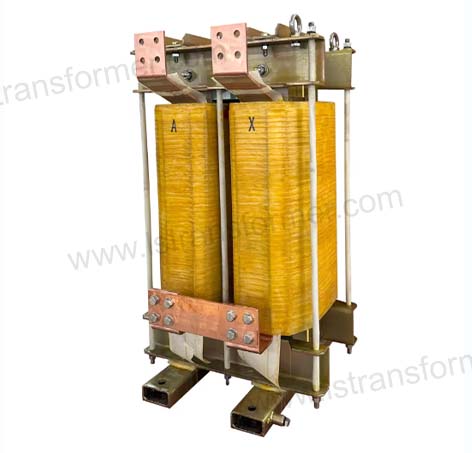
What is a saturable reactor? In which fields is it widely used?
What is a saturable reactor? In which fields is it widely used? A saturable reactor can be considered as a type of magnetic amplifier; in fact, it is a primary component of magnetic amplifiers. Its fundamental principle involves utilizing the saturation characteristics of ferromagnetic materials to control the reactance value...
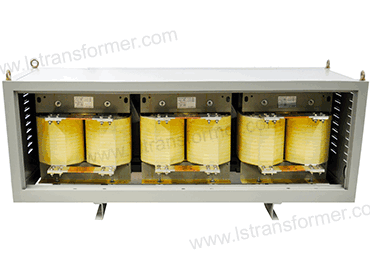
What are the characteristics of using flat winding for transformers? (Part 2)
What are the characteristics of using flat winding for transformers? (Part 2) In the previous article, we introduced the advantages of flat winding. However, compared with vertical winding, flat winding also has some disadvantages, which will be explained one by one below. Content 1. Low space utilization The flat winding...
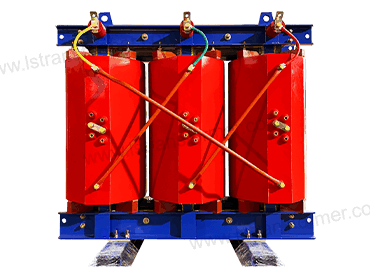
What is the function of a grounding transformer?
What is the function of a grounding transformer? In a three-phase power grid, there is capacitance between each phase conductor and between each phase and ground. When the neutral point of the grid is not solidly grounded, the phase-to-ground voltage of the singly grounded phase is zero, while the phase-to-ground...
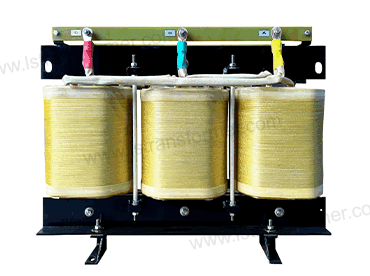
What are the characteristics of using vertical winding for transformers? (Part2)
What are the characteristics of using vertical winding for transformers? (Part2) In the manufacturing of transformers, the choice of winding method has an important impact on its performance and quality. As a winding method, vertical winding not only has the advantages mentioned in the previous article, but also has some...
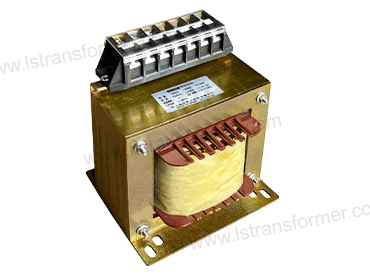
Transformer Classification: A Comprehensive Guide
Transformer Classification: A Comprehensive Guide Transformers are essential devices that are used to transfer electrical energy from one circuit to another by means of electromagnetic induction. They are used in various applications ranging from power distribution systems to electronic devices. In this article, we will provide a comprehensive guide on...
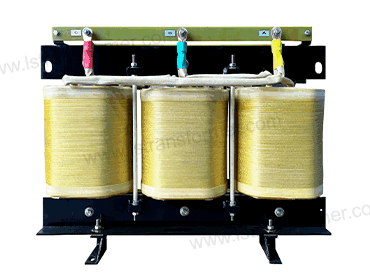
What are the characteristics of using vertical winding for transformers? (Part 1)
What are the characteristics of using vertical winding for transformers? (Part 1) The choice of winding method has an important impact on the performance and quality of transformers. As a winding method, vertical winding has unique advantages and disadvantages. This article will deeply explore the advantages of vertical winding. Content...
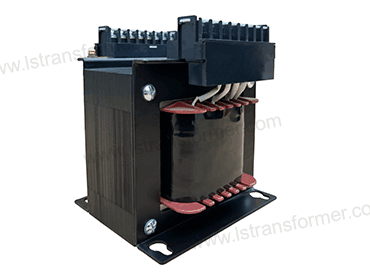
The Different Types and Technical Aspects of Regulating Transformers
The Different Types and Technical Aspects of Regulating Transformers gulating transformers are usually designed based on a variety of criteria including size, winding type, operating frequency, and capacity ratings. The main technical aspects of a regulating transformer include its inductance, capacity, and voltage ratio characteristics. The inductance of a regulating...
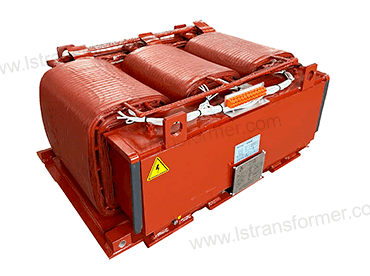
When winding a transformer, what should be considered?
When winding a transformer, what should be considered? (1)Requirements for Winding Direction: During the winding process, special attention must be paid to the winding direction; otherwise, it may result in an incomplete magnetic circuit within the iron core. Winding directions for small to medium-sized three-phase transformers are generally the same....