






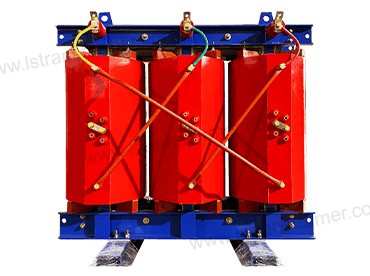
What Are the Insulation Material Systems for Resin-Cast Transformers?
What are the Insulation Material Systems for Resin-Cast Transformers? Resin-cast transformers use epoxy resin as the primary insulation material, forming a solid structure through casting and curing. This structure has high mechanical strength and excellent insulation properties. Additionally, these transformers have good heat dissipation and are suitable for harsh environments,...
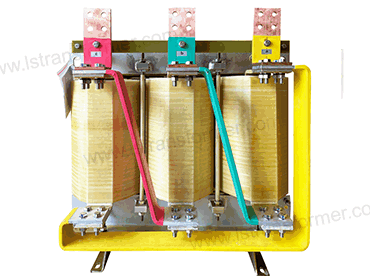
How to Reduce No-Load Losses in Transformers?
How to Reduce No-Load Losses in Transformers? No-load losses in transformers refer to the power consumed when the transformer's secondary winding is open (i.e., not connected to a load). These losses mainly include core losses and stray magnetic losses. No-load losses are inherent to the transformer's operation and have a...
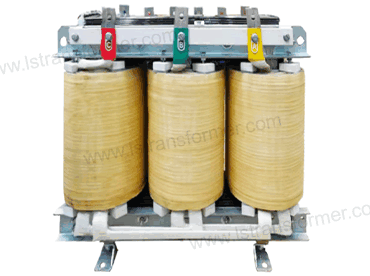
What are the Processes and Causes of Insulation Aging?
What are the Processes and Causes of Insulation Aging? Insulation aging is a common issue in the operation of electrical equipment, which affects the performance and lifespan of the devices. The main causes of insulation aging can be attributed to thermal, electrical, mechanical stress, and environmental factors. Below is a...
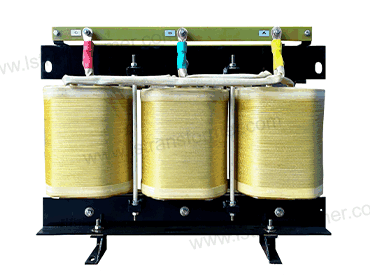
What are the characteristics of foil winding?
What are the characteristics of foil winding? Foil winding are a type of winding structure commonly used in transformers and reactors, offering unique advantages that enhance both the performance and manufacturing efficiency of electrical equipment. The main characteristics of foil winding are as follows: Features 1. High Automation and Efficiency...
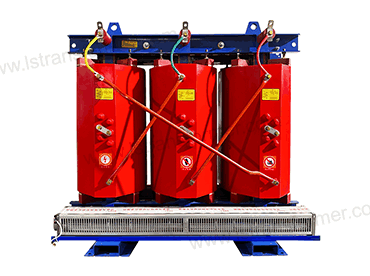
How is an Epoxy Resin Dry-Type Transformer Cast and Molded?
How is an Epoxy Resin Dry-Type Transformer Cast and Molded? Epoxy resin dry-type transformers are widely used high-voltage electrical equipment in power systems. Unlike oil-immersed transformers, they do not use liquid coolants but are insulated and cooled by air or other solid insulating materials. The manufacturing process of epoxy resin...
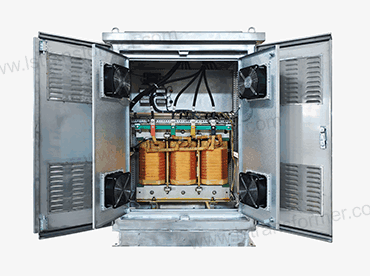
What are the cooling methods for dry-type transformers?
What are the cooling methods for dry-type transformers? The cooling methods for dry-type transformers are critical for their performance and reliability. Effective cooling measures ensure that the transformer maintains an appropriate operating temperature during operation, thereby extending its service life and improving overall efficiency. The primary cooling methods for dry-type...
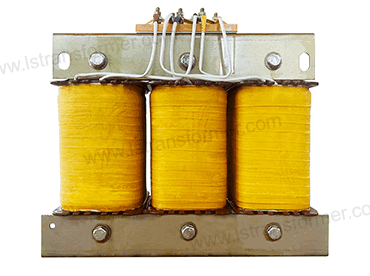
What are the main reasons that can lead to the burning of transformers?
What are the main reasons that can lead to the burning of transformers? Content 1. Overloading: Overloading is one of the common causes of transformer burnout. Overloading refers to the condition where the transformer is subjected to current exceeding its rated capacity, resulting in excessive heat generation in the windings...
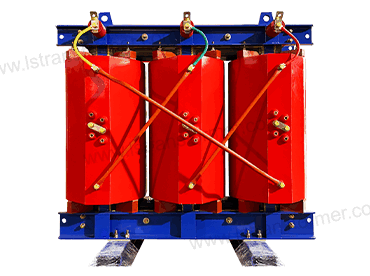
What are the structural characteristics of epoxy resin dry-type transformers?
What are the structural characteristics of epoxy resin dry-type transformers? Content 1. Winding Materials and Structure The high and low voltage windings of epoxy resin dry-type transformers are entirely made ofcopper strips (foils). Copper strip windings not only have lower resistance, effectively reducing winding losses, but also enhance the overall...
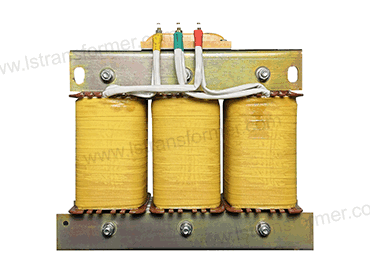
What are the Reasons and Prevention Methods for Excessive Verticality Deviation of the Core?
What are the Reasons and Prevention Methods for Excessive Verticality Deviation of the Core? Core verticality deviation can lead to damage in the electrical performance and mechanical structure of transformers. Therefore, it is crucial to strictly control the verticality of the core during manufacturing to ensure the normal operation and long...
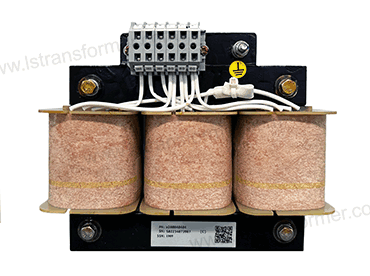
Common Professional Terms and Explanations in Transformers
Common Professional Terms and Explanations in Transformers Transformers, as complex electrical devices, have a range of technical terms that are commonly used in the industry. Some of the most common terms include: (1) Turns ratio: This is the ratio of the number of turns of wire on the primary winding...
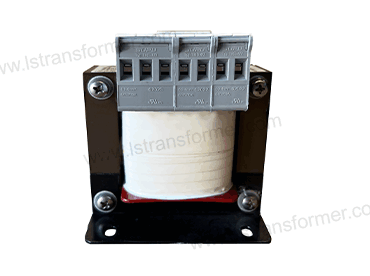
Calculation of Single-phase and Three-phase Transformer Capacity
Calculation of Single-phase and Three-phase Transformer Capacity Transformers are essential electrical devices that are used to transfer electrical energy from one circuit to another. They are classified into two types: single-phase transformer and three-phase transformer. The calculation of their capacity is crucial in determining their suitability for various applications. (1)...
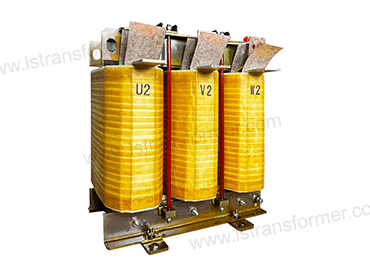
Why Do Reactors Overheat and Burn Out? —Top Causes and Effective Solutions
Why Do Reactors Overheat and Burn Out? —Top Causes and Effective Solutions As global energy demands surge and power systems grow more complex, reactors (critical devices for reactive power compensation and harmonic suppression) play a vital role in grid stability. However, frequent reactor failures, particularly overheating, have become a costly...