
 EN
EN
 FR
FR DE
DE ES
ES
Which Country Markets Accept Aluminum as a Substitute for Copper Windings? —A Cost-Reduction Strategy for Transformer Manufacturing
Which Country Markets Accept Aluminum as a Substitute for Copper Windings?
—A Cost-Reduction Strategy for Transformer Manufacturing
Amid the global energy transition and power infrastructure upgrades, the manufacturing costs of transformers and reactors have become a key industry focus. Copper, the traditional conductive material, offers excellent performance but comes at a high price, prompting manufacturers to seek alternatives. Aluminum windings, due to their cost advantages, are gradually gaining acceptance in some markets. However, different countries vary widely in their acceptance of aluminum-wound transformers, influenced by technical standards, regulatory policies, and user preferences.
This article analyzes the global market acceptance of aluminum-wound transformers, examines their technical feasibility and cost-effectiveness, and provides data-driven insights to help manufacturers and procurement professionals make optimal decisions.
Content
1. Technical Feasibility and Economic Benefits of Aluminum Windings
● Conductivity Comparison
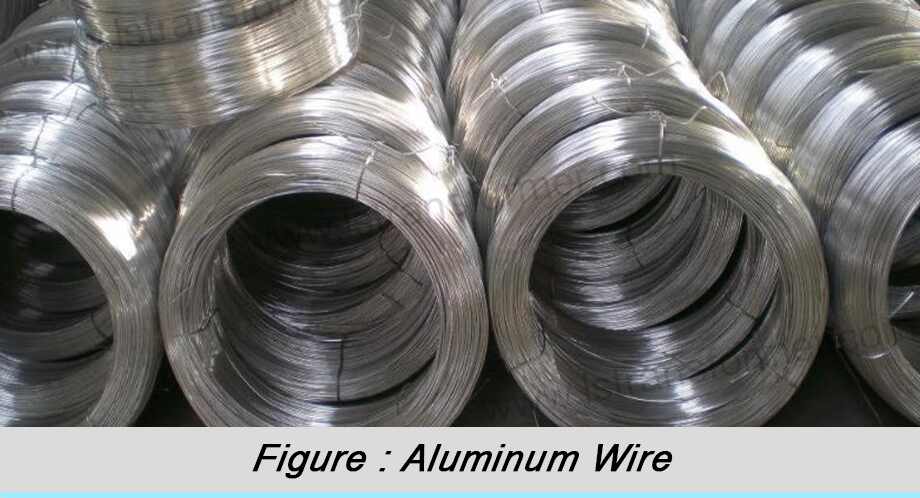
Copper has a higher conductivity (~58 MS/m @20°C) than aluminum (~35 MS/m @20°C), meaning aluminum windings exhibit greater resistance at the same cross-sectional area, leading to higher energy losses. To match copper’s current-carrying capacity, aluminum conductors typically require a larger cross-section (~1.6 times).
Despite its higher resistance, aluminum’s density (2.7 g/cm³) is significantly lower than copper’s (8.96 g/cm³), resulting in lighter weight and lower transportation and installation costs. Additionally, aluminum’s price (~ 2.5/kg)ismuchlowerthancopper’s( 9/kg), reducing total material costs by 30%-50%.
● Mechanical Strength and Connection Reliability
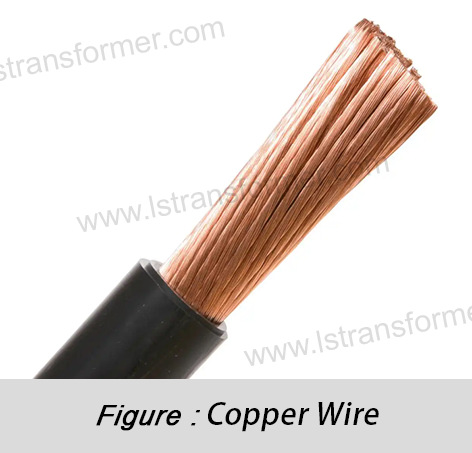
Aluminum has lower mechanical strength, making it prone to loosening under long-term vibration or thermal cycling, which increases contact resistance and overheating risks. Therefore, aluminum-wound transformers require specialized connection techniques, such as:
(1)Ultrasonic welding: Reduces oxide layer interference, improving connection reliability.
(2)Tin-plated or copper-clad aluminum joints: Lowers contact resistance, minimizing localized heating.
Moreover, aluminum’s thermal expansion coefficient (23.1×10⁻⁶/°C) is higher than copper’s (17×10⁻⁶/°C), necessitating greater thermal stress allowances in design.
2. Which Country Markets Accept Aluminum-Wound Transformers?
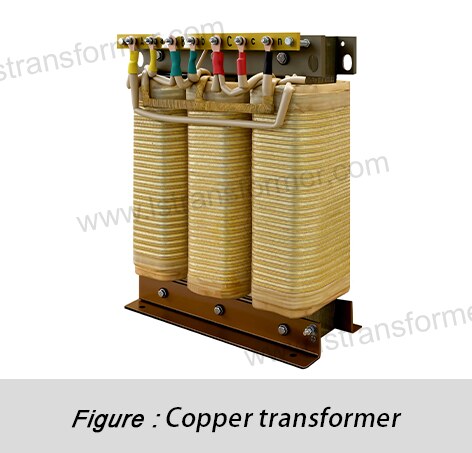
Acceptance of aluminum-wound transformers varies by country, depending on standards, regulations, market practices, and grid requirements. Below is a breakdown of key markets:
Country/Region | Acceptance Level | Key Standards | Typical Applications |
North America (USA, Canada) | High | IEEE C57.12.00, CSA C88 | Distribution transformers (≤10 MVA) |
Europe (Germany, France, etc.) | Moderate | IEC 60076, EN 50588 | Small/medium industrial transformers |
India | High | IS 2026, IS 1180 | Rural grids, low-cost distribution systems |
China | Moderate | GB 1094, GB/T 6451 | Mid-to-low-end markets |
Middle East (Saudi Arabia, UAE) | Low | SASO, ESMA | Approved for specific projects only |
●North America: A Leader in Aluminum-Wound Transformer Adoption
The National Electrical Manufacturers Association (NEMA) and IEEE standards explicitly permit aluminum windings in distribution transformers. Due to the vast U.S. power grid and high cost sensitivity, aluminum-wound transformers dominate the sub-10 MVA distribution sector.
Market Drivers:
(1) Cost sensitivity: Utilities like Duke Energy and Southern Company prioritize total cost of ownership (TCO) in procurement.
(2) Mature supply chain:Manufacturers like ABB and Siemens offer optimized aluminum-winding solutions.
● Europe: Limited Adoption Under Strict Standards
While IEC standards do not prohibit aluminum windings, they require higher safety margins, raising manufacturing costs and diminishing price advantages. High-end markets in Germany and France still prefer copper, but Eastern Europe (e.g., Poland, Romania) uses aluminum in budget-constrained projects.
● Emerging Markets (India, Southeast Asia): High Acceptance
In India, aluminum-wound transformers account for over 60% of the distribution market, driven by:
(1)Rural grid expansion:Low-budget projects demand cost-effective equipment.
(2)Local manufacturing support: Companies like Crompton Greaves provide optimized designs.
3. How to Optimize Aluminum Winding Design for Cost and Reliability?
● Conductor Cross-Section Calculation
To ensure equivalent current-carrying capacity, the aluminum conductor’s cross-section must satisfy:
 AAl=ACu×ρAlρCu
Where:
 = Aluminum conductor cross-section
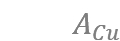 = Copper conductor cross-section
 = Copper resistivity (1.68×10⁻⁸ Ω·m)
 = Aluminum resistivity (2.82×10⁻⁸ Ω·m)
Example: For a 50 mm² copper conductor, the aluminum equivalent is ~84 mm².
● Thermal Design Optimization
Aluminum-wound transformers require enhanced cooling to mitigate hot-spot temperatures. Solutions include:
● Asymmetric Cooling Duct Layout:
(1) 20% wider ducts on the high-voltage side to compensate for winding temperature differences.
(2) Corrugated cooling fins, increasing surface area by 30% over traditional designs.
● Advanced Cooling Mediums:
Cooling Medium | Thermal Conductivity (W/m·K) | Flash Point (°C) | Eco-Friendliness |
Mineral Oil | 0.12 | 160 | Poor |
Synthetic Ester | 0.15–0.18 | 300 | Biodegradable |
Fluorinated Fluid | 0.08–0.10 | Non-flammable | Requires recycling |
● Smart Temperature Control:
(1) Distributed fiber-optic sensors (±0.5°C accuracy).
(2)Dynamic fan speed adjustment, reducing power consumption by 15%.
● Connection Reliability Enhancements
Aluminum windings’ weak point is connections. Innovations include:
● Hybrid Welding Process:
(1) Ultrasonic pre-welding + laser precision welding.
(2) Shear strength increases from 50 MPa to 85 MPa.
Process Flow:Surface prep → Ultrasonic rough welding (400W/3s) → Laser fine welding (1kW/0.5s) → Non-destructive testing.
● Thermal Stress Buffer Design:
(1)Helical springs compensate for thermal expansion (ΔL = α·L·ΔT).
(2)Key parameters: Aluminum’s α = 23.1×10⁻⁶/°C; 1.5 mm expansion gap per meter of winding.
In Summary
Aluminum-wound transformers are widely accepted in North America and India but face limitations in Europe and high-end markets. Manufacturers must align with target market standards, cost structures, and user needs. By optimizing conductor design, cooling systems, and connection techniques, aluminum windings can significantly reduce costs while maintaining reliability, making them a viable choice for the power industry.
Contact Us
LuShan, est.1975, is a Chinese professional manufacturer specializing in power transformers and reactors for50+ years. Leading products are single-phase transformer, three-phase isolation transformers,electrical transformer,distribution transformer, step down and step up transformer, low voltage transformer, high voltage transformer, control transformer, toroidal transformer, R-core transformer;DC inductors, AC reactors, filtering reactor, line and load reactor, chokes, filtering reactor, and intermediate,high-frequency products.
Our power transformers and reactors are widely used in 10 application areas: rapid transit, construction machinery, renewable energy, intelligent manufacturing, medical equipment, coal mine explosion prevention , excitation system, vacuum sintering(furnace), central air conditioning.
Know more about power transformer and reactor :www.lstransformer.com.
If you would like to obtain customized solutions for transformers or reactors, please contact us.
WhatsApp:+86 13787095096
Email:[email protected]