
 EN
EN
 FR
FR DE
DE ES
ES
EU RoHS Directive: What Are the Restrictions on Lead Wire Materials? —Compliance Guide and Material Selection
EU RoHS Directive: What Are the Restrictions on Lead Wire Materials?
—Compliance Guide and Material Selection
The EU Restriction of Hazardous Substances (RoHS) Directive is a critical regulation affecting the design, manufacturing, and sale of electrical and electronic equipment (EEE) worldwide. As a core component of transformers and reactors, the material selection for lead wires directly impacts product compliance. This article provides an in-depth analysis of the RoHS Directive’s restrictions on lead wire materials, exemption clauses, compliance pathways, and the scientific principles behind them, helping your products enter the EU market smoothly.
Content
1. Core Restricted Substances Under RoHS and Key Conflicts with Lead Wire Materials
The RoHS Directive (currently Directive 2011/65/EU and its amendments) restricts the use of six hazardous substances in EEE. This poses significant challenges for the metal materials and surface treatments commonly used in transformer lead wires:
Restricted Substance | Threshold (Homogeneous Material) | Common Forms in Lead Wires | Primary Risks |
Lead (Pb) | ≤ 1000 ppm (0.1%) | Solder, copper alloy pins, PVC stabilizers, coatings | Neurotoxicity, developmental toxicity, environmental pollution |
Cadmium (Cd) | ≤ 100 ppm (0.01%) | Coatings (older processes), stabilizers | Carcinogenic, bioaccumulative |
Mercury (Hg) | ≤ 1000 ppm (0.1%) | Rarely used directly | Neurotoxicity, environmental persistence |
Hexavalent Chromium (Cr VI) | ≤ 1000 ppm (0.1%) | Metal surface passivation layers (e.g., older zinc coatings) | Carcinogenic, allergenic, environmental pollution |
Polybrominated Biphenyls (PBB) | ≤ 1000 ppm (0.1%) | Flame retardants in insulation (historical use) | Endocrine disruption, bioaccumulation, persistent pollution |
Polybrominated Diphenyl Ethers (PBDE) | ≤ 1000 ppm (0.1%) | Flame retardants in insulation (historical use) | Endocrine disruption, bioaccumulation, persistent pollution |
Key Conflict Points:
(1)Lead in Solder:Traditional tin-lead solder (SnPb, e.g., Sn63/Pb37) is widely used for connecting lead wires to windings or terminals due to its excellent solderability, low melting point, and mechanical properties. RoHS compliance requires switching to lead-free alternatives like SAC alloys (Sn-Ag-Cu series).
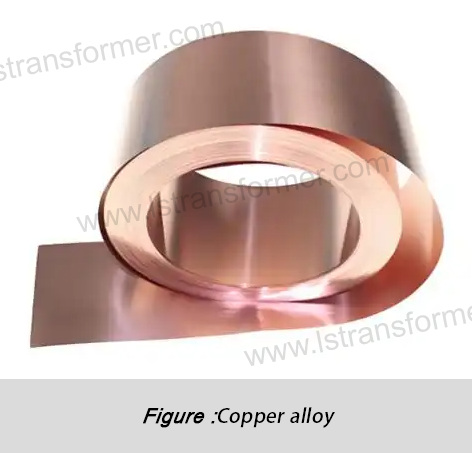
(2)Lead in Copper Alloys: Some copper alloys (e.g., brass, bronze) contain small amounts of lead to improve machinability. RoHS mandates strict control of lead content below 0.1%.
(3)Cadmium and Hexavalent Chromium in Coatings:Cadmium coatings were historically used for corrosion resistance, while hexavalent chromium was used in passivation (e.g., chromate conversion coatings). RoHS bans cadmium and requires alternatives like trivalent chromium passivation.
(4)Flame Retardants in Insulation: While PBB and PBDE are largely phased out, insulation materials (e.g., PVC, rubber) must use RoHS-compliant flame retardants such as halogen-free, phosphorus-nitrogen, or metal hydroxide (e.g., aluminum hydroxide, magnesium hydroxide) systems.
2. Key Exemptions and Their Impact on Lead Wire Applications
RoHS includes exemptions for cases where alternatives are technically or scientifically unfeasible. Key exemptions relevant to lead wires:
Exemption Clause | Scope | Relevance to Lead Wires | Expiry/Notes |
7(c)-I | Lead in solder for servers/storage arrays | Not directly applicable to standard transformer lead wires | Expires July 21, 2024 (extension under review) |
7(a)-I | High-melting-point solder (e.g., ≥85% lead) | Possible use in high-temperature applications (e.g., reactors) | Expires July 21, 2024 (extension under review) |
6(a) | ≤4% lead in copper alloys | Critical for lead wire pins/terminals! Allows lead in copper alloys to maintain machinability | Expires July 21, 2026 (key exemption!) |
Exemption Insights:
(1)Exemption 6(a) – Lead in Copper Alloys:
Pure copper or low-lead alloys can produce long, tough chips during machining, reducing efficiency and tool life. Adding lead (<2.5%) improves chip-breaking and machinability. This exemption is vital for precision components like terminals.
(2)Exemption 7(c)-I/7(a)-I – Lead in Solder:
These apply to high-performance or high-temperature applications. Standard lead wire soldering (wave or hand soldering) must use lead-free solder (e.g., SAC305, melting point 217–220°C vs. SnPb’s 183°C), requiring tighter process controls.
3. RoHS-Compliant Lead Wire Material and Process Strategies
● Conductor Material Selection:
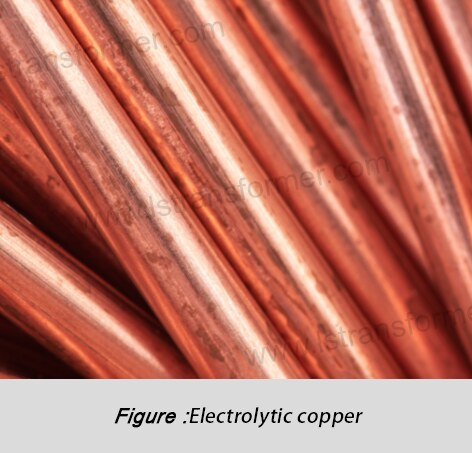
(1)Lead-Free Copper:Use electrolytic (ETP) or oxygen-free copper (OFC) with RoHS-compliant declarations (DoC) and third-party test reports (Pb ≤ 0.1%). Recycled copper may carry lead contamination risks.
(2)Exempt Copper Alloys:If machinability is critical, use alloys under Exemption 6(a) (Pb ≤ 4%) and document compliance.
● Soldering Materials & Processes:
(1)Lead-Free Solder:SAC alloys (e.g., SAC305) are mainstream. Higher melting points (20–40°C increase) require optimized flux and temperature profiles to prevent insulation damage.
(2)Process Control:Precise preheat, soldering, and cooling parameters are essential. Nitrogen shielding reduces oxidation, improving wetting.
● Coatings & Surface Treatments:
(1)Tin or Tin Alloy Coatings:Matte tin or alloys with bismuth (Bi)/antimony (Sb) mitigate tin whisker risks.
(2)Trivalent/Chromium-Free Passivation: Replace hexavalent chromium with trivalent chromium or alternatives (e.g., silane, molybdate).
● Insulation Materials:
(1)Halogen-Free Flame Retardants:Use RoHS-compliant PVC, XLPE, or silicone rubber with phosphorus/nitrogen or inorganic systems (e.g., Al(OH)3).
(2)Phthalate-Free Plasticizers: Avoid REACH-restricted phthalates (e.g., DEHP) in PVC; opt for DINCH or DOTP.
4. Compliance Verification & Supply Chain Management
● Supplier Requirements:
(1)Obtain legally binding RoHS Declarations of Conformity (DoC) and test reports (IEC 62321) for all materials.
(2)Screen high-risk items: copper alloys, solder, recycled materials, coatings, and flame retardants.
● Testing & Validation:
(1)Incoming Inspection (IQC): Use X-ray fluorescence (XRF) for rapid screening of Pb, Cd, Hg, Cr, and Br (PBB/PBDE indicator).
(2)Lab Testing:Engage ISO 17025-accredited labs for precise ICP-OES or GC-MS analysis per IEC 62321.
● Documentation & Labeling:
(1)Technical Documentation File (TDF):Include BOMs, compliance evidence (DoC, test reports), exemption justifications, and process records.
(2)CE Marking:RoHS compliance is mandatory for CE marking and EU market access.
In Summary
The RoHS Directive’s restrictions on transformer lead wires aim to eliminate environmental and health risks from lead, cadmium, and other hazardous substances. By leveraging exemptions (e.g., for copper alloys), adopting lead-free materials (solder, coatings), upgrading to eco-friendly processes (trivalent chromium), and enforcing strict supply chain controls, manufacturers can ensure compliance.
This not only meets regulatory demands but also enhances corporate social responsibility and green competitiveness. Staying updated on RoHS revisions and exemptions while building a robust compliance system is key to success in the EU and global markets. Choosing compliant lead wire materials is the first step toward safe, reliable, and sustainable power equipment.
Contact Us
LuShan, est.1975, is a Chinese professional manufacturer specializing in power transformers and reactors for50+ years. Leading products are single-phase transformer, three-phase isolation transformers,electrical transformer,distribution transformer, step down and step up transformer, low voltage transformer, high voltage transformer, control transformer, toroidal transformer, R-core transformer;DC inductors, AC reactors, filtering reactor, line and load reactor, chokes, filtering reactor, and intermediate,high-frequency products.
Our power transformers and reactors are widely used in 10 application areas: rapid transit, construction machinery, renewable energy, intelligent manufacturing, medical equipment, coal mine explosion prevention , excitation system, vacuum sintering(furnace), central air conditioning.
Know more about power transformer and reactor :www.lstransformer.com.
If you would like to obtain customized solutions for transformers or reactors, please contact us.
WhatsApp:+86 13787095096
Email:[email protected]