
 EN
EN
 FR
FR DE
DE ES
ES
Why Should the Lead Wires of PV Inverter Transformers Be UV-Resistant? —An In-Depth Analysis of Critical Protection Requirements
Why Should the Lead Wires of PV Inverter Transformers Be UV-Resistant?
—An In-Depth Analysis of Critical Protection Requirements
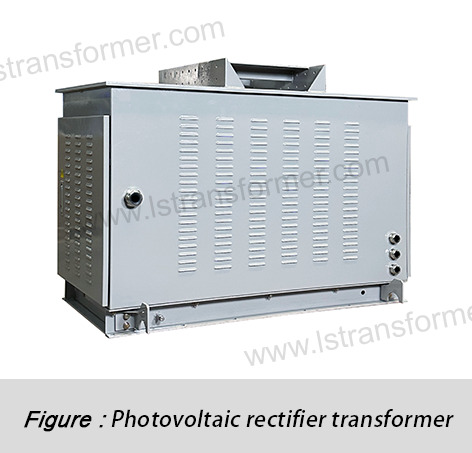
In the heart of photovoltaic (PV) power generation systems, the inverter transformer acts as a silent "energy translator," efficiently converting the direct current (DC) produced by solar panels into grid-compatible alternating current (AC). The long-term stable operation of this critical component directly determines the power generation efficiency and return on investment of the entire PV plant.
However, one often overlooked yet crucial detail—the ultraviolet (UV) resistance of the transformer's lead wires—can become a potential weak point in system reliability. This article delves into why UV resistance is an indispensable "protective armor" for the lead wires of PV inverter transformers.
Content
1. Harsh Challenges: UV Radiation in PV Environments and Its Destructive Power
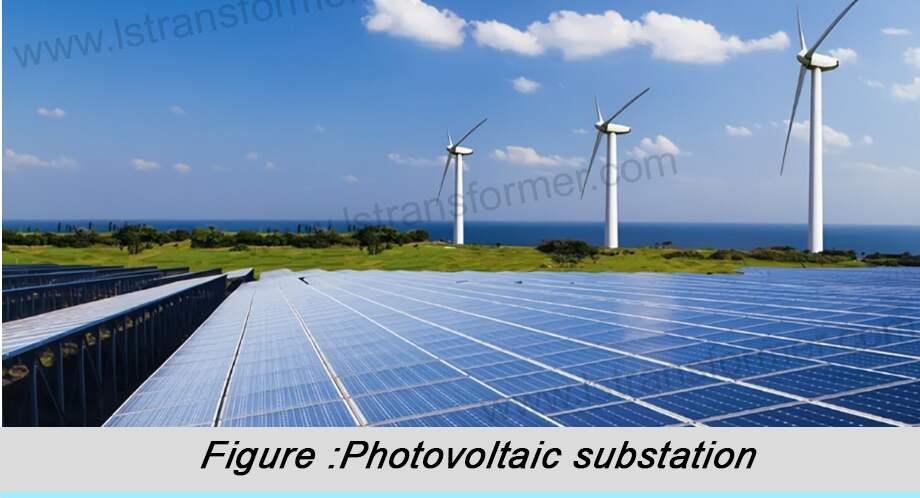
PV power plants are typically installed in open, unobstructed areas (e.g., ground-mounted systems, commercial rooftops) to maximize sunlight exposure. This setup exposes system components, especially external transformer lead wires, to intense, direct sunlight for prolonged periods.
● High-Intensity and Persistent UV Radiation:
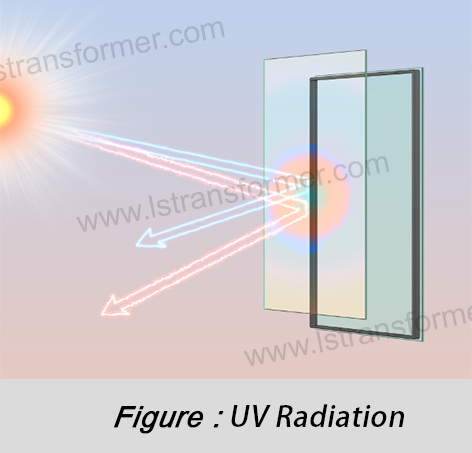
(1)UV Component:In the solar spectrum, ultraviolet light (particularly UV-A at 315-400 nm and UV-B at 280-315 nm) accounts for only about 5-8% of total energy. However, its photons carry high energy, posing significant chemical degradation risks.
(2)Cumulative Effect: PV systems are designed for lifespans of 25 years or more. Over this extended period, lead wires endure tens of thousands of hours of continuous UV exposure. Even if daily radiation seems moderate, the long-term cumulative effect is substantial.
● UV Degradation Mechanism for Cable Insulation Materials:
UV radiation triggers a complex photo-oxidative degradation process in polymer materials (e.g., PVC, XLPE, silicone rubber):
(1)Initiation:High-energy UV photons break chemical bonds (e.g., C-H, C-C) in polymer chains, generating highly reactive free radicals. Oxygen (O₂) is a key factor in this process.
(2)Chain Reaction: Free radicals react with oxygen to form peroxy radicals, which attack neighboring polymer chains, creating hydroperoxides and new radicals. This propagates a destructive chain reaction.
(3)Molecular Chain Breakdown or Crosslinking:
–Chain Scission: Polymer chains shorten, reducing material molecular weight.
–Crosslinking: Radicals may also form new bonds between chains, making the material brittle.
● Performance Deterioration:
(1)Embrittlement/Cracking: Loss of flexibility leads to microcracks under wind, thermal stress, or mechanical strain.
(2)Discoloration: Yellowing, darkening, or "chalking" occurs.
(3)Reduced Mechanical Strength: Tensile strength and elongation at break decline sharply.
(4)Electrical Performance Degradation: Cracks increase leakage current, lower insulation resistance, and raise risks of partial discharge, short circuits, or fires.
Chemical Process | Material Changes | System Risks |
UV absorption → bond breakage | Surface chalking, microcracks | Insulation resistance ↓ (leakage ↑ 20-50%) |
Oxidative chain reaction | Elongation at break ↓ >30% | Partial discharge risk ↑ |
Hydroperoxide accumulation | Tensile strength ↓ >40% | Breakdown voltage ↓ 30-60% |
Hydrophilic group formation | Water absorption ↑ → conductivity ↑ | Short-circuit/fire risk |
Table: Cause-and-effect chain of UV-induced cable insulation degradation.
2. Core Protection: The Critical Role of UV-Resistant Materials and Design
To withstand these challenges, PV inverter transformer lead wires must use specialty cables with superior UV resistance, achieved through material formulation and structural design:
● High-Performance UV-Resistant Polymers:
Materials:
–Cross-linked polyolefins (XLPO/XLPE):Enhanced with UV stabilizers.
–Silicone rubber:Inorganic Si-O-Si backbone offers exceptional UV/weather resistance and flexibility (-60°C to +180°C).
–Fluoropolymers (e.g., ETFE): Outstanding UV/chemical resistance due to high C-F bond energy.
● Advanced UV Stabilizer Systems:
Mechanisms:
–UV absorbers (UVA):Absorb and dissipate UV energy as heat.
–Hindered amine light stabilizers (HALS): Neutralize free radicals, providing long-term protection.
–Synergy: UVA + HALS offers 1+1>2 defense.
● Optimized Sheath Thickness/Structure:
Thicker or multi-layer sheathing (e.g., carbon-black outer layer) delays UV penetration.
Material | UV Lifespan* | Cost Index | Applications | Standards |
Standard PVC | 3-5 years | 1.0x | Indoor/short-term | - |
Weather-resistant PVC | 8-10 years | 1.5x | Temperate climates | IEC 62930 Annex E |
XLPE + stabilizers | 15+ years | 2.2x | Utility-scale plants | UL 4703 Sec. 23 |
Silicone rubber | 25+ years | 3.5x | Deserts/high-altitude/extreme temps | IEC 62930 Ed. 2.0 |
Table: Comparison of UV-resistant cable materials for PV transformer lead wires.
3. Standards Assurance: Rigorous International Requirements for UV Resistance
Global standards mandate strict UV resistance testing for PV cables (including transformer leads):
● Key Standards:
(1)IEC 62930 (Ed. 2.0):The latest international standard for 1.5kV DC PV cables, with enhanced UV tests.
(2)UL 4703:North American PV wire standard.
● Critical Tests (IEC 62930 Ed. 2.0 Example):
(1)Conditions:1000+ hours of UV, temperature, and humidity cycling.
(2)Pass Criteria:No cracks/chalking; >70% elongation retention; passed electrical tests.
4. Maintenance & Selection: Ensuring Long-Term UV Resistance
● Compliance-Driven Selection:
(1)Demand IEC 62930 Ed. 2.0 or UL 4703 certification reports.
(2)Choose materials (XLPE, silicone) based on climate severity.
● Proper Installation:
Avoid bending/stretching damage; use conduits for added protection.
● Routine Inspections:
Check for discoloration, brittleness, or cracks, especially at stress points.
In Summary
The lead wires of PV inverter transformers, as critical energy conduits, require exceptional UV resistance to endure decades of outdoor exposure. UV-induced degradation risks insulation failure, short circuits, or fires.
By selecting high-performance materials (e.g., silicone rubber, XLPE), robust stabilizer systems, and adhering to IEC 62930 Ed. 2.0/UL 4703 standards, 25+ years of reliable protection is achievable. Proper installation and maintenance further safeguard performance.
Upgrade your PV system’s protection today! Explore our high-weather-resistance transformer and reactor solutions (IEC/UL-certified). Contact our team for tailored solutions and certification details.
Contact Us
LuShan, est.1975, is a Chinese professional manufacturer specializing in power transformers and reactors for50+ years. Leading products are single-phase transformer, three-phase isolation transformers,electrical transformer,distribution transformer, step down and step up transformer, low voltage transformer, high voltage transformer, control transformer, toroidal transformer, R-core transformer;DC inductors, AC reactors, filtering reactor, line and load reactor, chokes, filtering reactor, and intermediate,high-frequency products.
Our power transformers and reactors are widely used in 10 application areas: rapid transit, construction machinery, renewable energy, intelligent manufacturing, medical equipment, coal mine explosion prevention , excitation system, vacuum sintering(furnace), central air conditioning.
Know more about power transformer and reactor :www.lstransformer.com.
If you would like to obtain customized solutions for transformers or reactors, please contact us.
WhatsApp:+86 13787095096
Email:[email protected]