





What are the Reasons for Using Multiple Wires in Coil Windings?

Home > Author: 369703005 > Page 9
FAQ

What are the Reasons for Using Multiple Wires in Coil Windings?

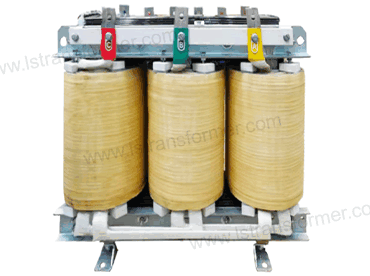
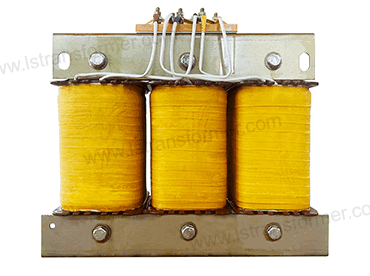
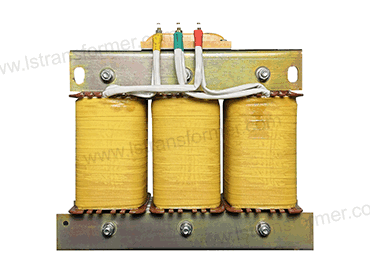
What are the Reasons for Using Multiple Wires in Coil Windings? In electrical engineering, coils are often designed with multiple wires wound together, a choice based on several technical considerations. Here are some key reasons: Content 1. Reducing Eddy Current Losses  Eddy current losses are significant factors affecting the efficiency of coils. When current flows […]
FAQ

What Are the Insulation Material Systems for Resin-Cast Transformers?

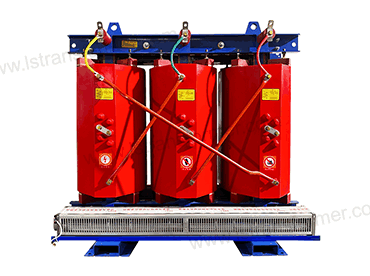
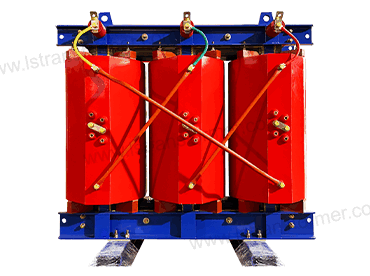
What are the Insulation Material Systems for Resin-Cast Transformers? Resin-cast transformers use epoxy resin as the primary insulation material, forming a solid structure through casting and curing. This structure has high mechanical strength and excellent insulation properties. Additionally, these transformers have good heat dissipation and are suitable for harsh environments, making them ideal for applications

FAQ

How to Reduce No-Load Losses in Transformers?

How to Reduce No-Load Losses in Transformers? No-load losses in transformers refer to the power consumed when the transformer’s secondary winding is open (i.e., not connected to a load). These losses mainly include core losses and stray magnetic losses. No-load losses are inherent to the transformer’s operation and have a certain impact on the stability

FAQ

What are the Processes and Causes of Insulation Aging?

What are the Processes and Causes of Insulation Aging? Insulation aging is a common issue in the operation of electrical equipment, which affects the performance and lifespan of the devices. The main causes of insulation aging can be attributed to thermal, electrical, mechanical stress, and environmental factors. Below is a brief analysis of the aging

FAQ

How is an Epoxy Resin Dry-Type Transformer Cast and Molded?

How is an Epoxy Resin Dry-Type Transformer Cast and Molded? Epoxy resin dry-type transformers are widely used high-voltage electrical equipment in power systems. Unlike oil-immersed transformers, they do not use liquid coolants but are insulated and cooled by air or other solid insulating materials. The manufacturing process of epoxy resin dry-type transformers is not only

FAQ

What are the cooling methods for dry-type transformers?

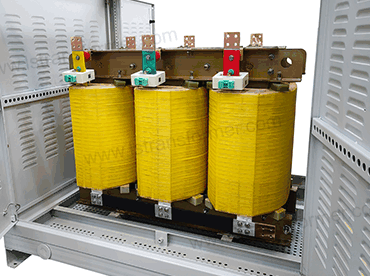
What are the cooling methods for dry-type transformers? The cooling methods for dry-type transformers are critical for their performance and reliability. Effective cooling measures ensure that the transformer maintains an appropriate operating temperature during operation, thereby extending its service life and improving overall efficiency. The primary cooling methods for dry-type transformers include the following: Content

FAQ

What are the main reasons that can lead to the burning of transformers?

What are the main reasons that can lead to the burning of transformers? Content 1. Overloading: Overloading is one of the common causes of transformer burnout. Overloading refers to the condition where the transformer is subjected to current exceeding its rated capacity, resulting in excessive heat generation in the windings and insulation materials. When a

FAQ

What are the structural characteristics of epoxy resin dry-type transformers?

What are the structural characteristics of epoxy resin dry-type transformers? Content 1. Winding Materials and Structure The high and low voltage windings of epoxy resin dry-type transformers are entirely made ofcopper strips (foils). Copper strip windings not only have lower resistance, effectively reducing winding losses, but also enhance the overall efficiency of the transformer due

FAQ

What are the Reasons and Prevention Methods for Excessive Verticality Deviation of the Core?

What are the Reasons and Prevention Methods for Excessive Verticality Deviation of the Core? Core verticality deviation can lead to damage in the electrical performance and mechanical structure of transformers. Therefore, it is crucial to strictly control the verticality of the core during manufacturing to ensure the normal operation and long lifespan of the transformer. Below

FAQ

How to consider the lifespan of reactors?

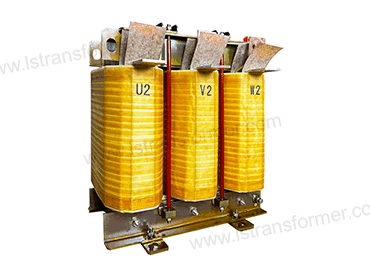
How to consider the life span of reactors? The service life of a reactor refers to the period during which it can operate reliably under rated load conditions. The length of this service life is determined by the properties of the manufacturing materials and the conditions of the operating environment. The primary materials used in

WhatsApp QR WeChat QR sales@hnlsdz.com
Scroll to Top