





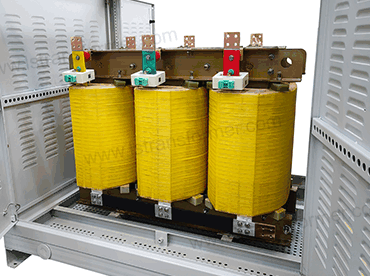
理由は複数のワイヤーをコイル巻線?

ホーム > 投稿者: 369703005 > ページ 9
FAQ

理由は複数のワイヤーをコイル巻線?

What are the Reasons for Using Multiple Wires in Coil Windings? In electrical engineering, coils are often designed with multiple wires wound together, a choice based on several technical considerations. Here are some key reasons: Content 1. Reducing Eddy Current Losses  Eddy current losses are significant factors affecting the efficiency of coils. When current flows through a wire, in addition to resistive losses, eddy currents are generated due to the distribution of current within the wire. Eddy current losses are closely related to the thickness of the wire; if the thickness doubles, the eddy current losses increase fourfold. Therefore, when a coil needs to carry a large current, using multiple […]
FAQ

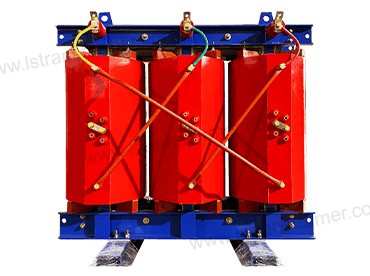
その絶縁材料システムのための樹脂キャストトランス?

What are the Insulation Material Systems for Resin-Cast Transformers? Resin-cast transformers use epoxy resin as the primary insulation material, forming a solid structure through casting and curing. This structure has high mechanical strength and excellent insulation properties. Additionally, these transformers have good heat dissipation and are suitable for harsh environments, making them ideal for applications in subways, hospitals, airports, and other places where reliability is crucial. Here, we introduce the types of insulation material systems for resin-cast transformers. Currently, there are two insulation material systems for resin-cast transformers: “pure resin casting with high-fill glass fiber reinforcement” and “resin quartz powder casting with locally reinforced pre-impregnated glass mesh.” Content 1. Pure

FAQ

どのように低減無負荷時の損失のトランス?

How to Reduce No-Load Losses in Transformers? No-load losses in transformers refer to the power consumed when the transformer’s secondary winding is open (i.e., not connected to a load). These losses mainly include core losses and stray magnetic losses. No-load losses are inherent to the transformer’s operation and have a certain impact on the stability of both the power grid and the transformer itself. The following sections will introduce methods to reduce these no-load losses. Content 1. Transformer material (1) Reduce the Magnetic Flux Density of the Transformer Core No-load losses are proportional to the square (or 1.2 power) of the magnetic flux density of the core. Therefore, an excessively

FAQ

何のプロセスとその原因で絶縁高齢化?

What are the Processes and Causes of Insulation Aging? Insulation aging is a common issue in the operation of electrical equipment, which affects the performance and lifespan of the devices. The main causes of insulation aging can be attributed to thermal, electrical, mechanical stress, and environmental factors. Below is a brief analysis of the aging processes and specific causes: Content 1. Thermal Aging   During the operation of electrical equipment, insulation materials generate a significant amount of heat due to energy loss. Prolonged exposure to high temperatures leads to the oxidation and thermal decomposition of insulation materials, gradually reducing their mechanical strength. Under these high-temperature conditions, the insulation becomes brittle,

FAQ

どのようにエポキシ樹脂の乾式トランスキャストおよび成形品?

How is an Epoxy Resin Dry-Type Transformer Cast and Molded? Epoxy resin dry-type transformers are widely used high-voltage electrical equipment in power systems. Unlike oil-immersed transformers, they do not use liquid coolants but are insulated and cooled by air or other solid insulating materials. The manufacturing process of epoxy resin dry-type transformers is not only a craft but also a technical skill. Below is a detailed introduction to this manufacturing process to help readers gain a deeper understanding of it. Content 1. Importance of Preparation: Preparation is crucial before starting the casting process. First, it is essential to ensure that the casting molds are clean and dry to avoid affecting

FAQ

その冷却方法のための乾式トランス?

What are the cooling methods for dry-type transformers? The cooling methods for dry-type transformers are critical for their performance and reliability. Effective cooling measures ensure that the transformer maintains an appropriate operating temperature during operation, thereby extending its service life and improving overall efficiency. The primary cooling methods for dry-type transformers include the following: Content 1. Open Cooling: Open cooling is one of the most common cooling methods. In this method, the transformer’s casing is directly exposed to the air, allowing natural convection to dissipate heat. This method is suitable for installations indry, well-ventilated environments such ascontrol roomsordistribution rooms. To ensure effective heat dissipation, the ambient temperature should be controlled ataround

FAQ

その理由につながるの燃焼のトランス?

What are the main reasons that can lead to the burning of transformers? Content 1. Overloading: Overloading is one of the common causes of transformer burnout. Overloading refers to the condition where the transformer is subjected to current exceeding its rated capacity, resulting in excessive heat generation in the windings and insulation materials. When a transformer operates under prolonged overload conditions, the temperature may rise beyond its design limits, causing the insulation materials to gradually fail and ultimately leading to burnout. Overloading can also causethermal expansion of the windings, leading tomechanical stress and damage to the insulation materials, further increasing the risk of burnout. 2. Short Circuit: A short circuit

FAQ

その構造特性エポキシ樹脂の乾式トランス?

What are the structural characteristics of epoxy resin dry-type transformers? Content 1. Winding Materials and Structure The high and low voltage windings of epoxy resin dry-type transformers are entirely made ofcopper strips (foils). Copper strip windings not only have lower resistance, effectively reducing winding losses, but also enhance the overall efficiency of the transformer due to the high conductivity of copper. The windings are produced using flat winding or layer winding techniques, which help to reduce inductance and losses, thereby improving the stability and reliability of the transformer. 2. Insulation Class The insulation class of epoxy resin dry-type transformers is typically F or H.F-class insulation can withstand temperatures up to155°C, whileH-class insulation can endure

FAQ

What are the Reasons and Prevention Methods for Excessive Verticality Deviation of the Core?

What are the Reasons and Prevention Methods for Excessive Verticality Deviation of the Core? Core verticality deviation can lead to damage in the electrical performance and mechanical structure of transformers. Therefore, it is crucial to strictly control the verticality of the core during manufacturing to ensure the normal operation and long lifespan of the transformer. Below are the main causes of core verticality deviation and the corresponding preventive methods. 1. Main Causes: (1) Uneven Stacking Work Surface: During the core stacking process, if the stacking work surface is not flat enough, it can cause the core column to bend after stacking. Without strict flatness control of each layer during stacking, the

FAQ

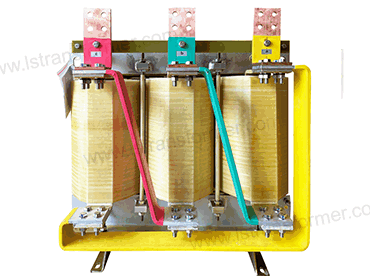
How to consider the lifespan of reactors?

How to consider the life span of reactors? The service life of a reactor refers to the period during which it can operate reliably under rated load conditions. The length of this service life is determined by the properties of the manufacturing materials and the conditions of the operating environment. The primary materials used in reactors include metal materials and insulating materials, and their characteristics directly affect the reactor’s service life and performance stability. Content 1. Influence of Materials on Service Life The manufacturing materials of reactors are categorized intometal materials and insulating materials. Metal materials primarily determine theelectromagnetic performance of the reactor. They usually have high-temperature resistance and good conductivity, thus offering

WhatsAppにQR WeChat QR sales@hnlsdz.com
スクロールトップ