





何かの機能を原子炉?

ホーム > FAQ
FAQ

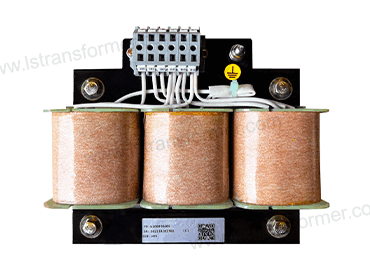
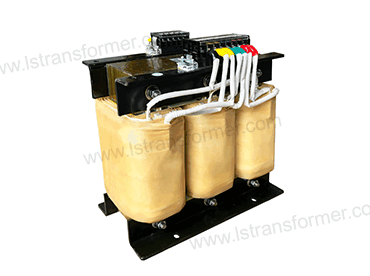
何かの機能を原子炉?

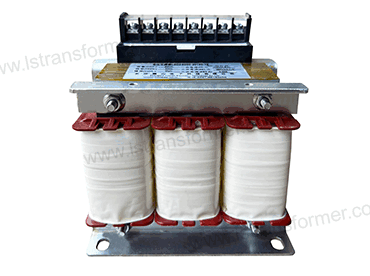
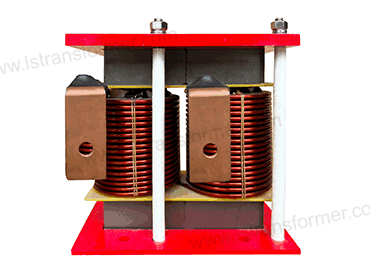
What is the Function of a Reactor? A reactor, also known as a reactor coil or inductor, is an electronic component that stores and releases energy in the form of a magnetic field. Its primary function is to limit or control the flow of electrical current in a circuit. Reactor is widely used in various applications such as power systems, electric motors, and electronic circuits. The main function of a reactor is to provide impedance to the current flow in a circuit. This is achieved by the inductive reactance of the reactor, which is proportional to the frequency of the current flowing through it. In power systems, reactors are commonly […]
FAQ

のの定義は単相トランス?

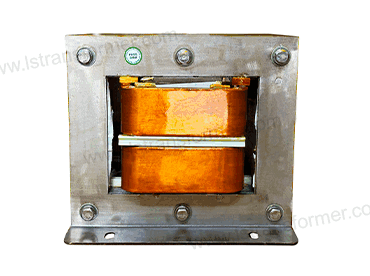
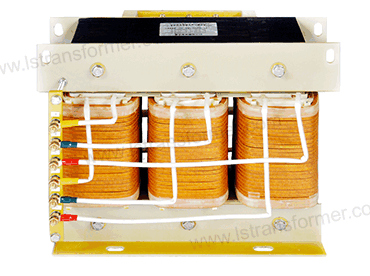
What is the definition of a single-phase transformer? A single-phase transformer is a transformer in which both the primary winding and the secondary winding are single-phase windings. A unipolar switch power supply refers to an output that is unipolar, meaning it only has positive and negative outputs, as opposed to a bipolar switch power supply, which has three outputs: positive, negative, and ground. Single-phase transformers have a simple structure, small size, and low losses, mainly due to low iron losses. They are suitable for use and promotion in low-voltage distribution networks with low load density. Suzhou City has accumulated the use of more than 1000 units, saving 45GWh, which is

FAQ

どのように低減無負荷時の損失のトランス?

How to Reduce No-Load Losses in Transformers? No-load losses in transformers refer to the power consumed when the transformer’s secondary winding is open (i.e., not connected to a load). These losses mainly include core losses and stray magnetic losses. No-load losses are inherent to the transformer’s operation and have a certain impact on the stability of both the power grid and the transformer itself. The following sections will introduce methods to reduce these no-load losses. Content 1. Transformer material (1) Reduce the Magnetic Flux Density of the Transformer Core No-load losses are proportional to the square (or 1.2 power) of the magnetic flux density of the core. Therefore, an excessively

FAQ

どのような風速の動作には影響トランス?

How does wind speed affect the operation of transformers? Typically, the maximum wind speed at a certain distance above the ground is specified over a specific period. For example, at a height of 10 meters above the ground, the wind speed reaches 35 meters per second within a 10-minute interval. Wind speed can have an impact on the accessories installed on the transformer tank, such as bushings and related equipment. In the given scenario, with a wind speed of 35 meters per second at a height of 10 meters above the ground within a 10-minute period, consideration should be given to the mechanical effects of this wind speed on accessories

FAQ

どのようなシールできる油入変圧器?

What kind of sealing material should be chosen for oil-immersed transformers? Choosing sealing materials that are compatible with the characteristics of transformers is crucial. Technical conditions related to sealing materials include the working medium, working pressure, and working temperature. 1. Working medium The working medium mainly involves transformer oil, air, and water. The working pressure is primarily determined by the steady-state pressure generated inside the transformer during fault conditions and the pressure applied during the sealing test (usually the test pressure of components is higher than that of the transformer body), typically ranging from 0.3 to 0.5 MPa. The working temperature is not determined by the highest temperature during the

FAQ

どの過剰な温度上昇が世に絶縁トランス? —包括的な方法を制御温度上昇

How Excessive Temperature Rise Ages Transformer Insulation?  — Comprehensive Methods to Control Temperature Rise Transformers are the core equipment of power systems, and their operating temperature directly impacts the lifespan of insulation materials and grid safety. Research by the International Electrotechnical Commission (IEC) indicates that excessive temperature rise is the leading cause of transformer failures. This article delves into the relationship between temperature rise and insulation aging and provides a full-process temperature control solution compliant with international standards (IEC/IEEE), helping extend equipment lifespan by over 10 years. Content 1. How Does Temperature Rise “Kill” Transformer Insulation? — Irreversible Aging Mechanisms 1.1 Core Law of Thermal Aging: Arrhenius Effect The lifespan

FAQ

どのように設計防砂詰まりのためのトランスラジエーターに砂漠ですか?

How to Design Anti-Sand Clogging for Transformer Radiators in Desert Areas? In global energy infrastructure, transformers play a critical role, especially in harsh desert environments. Desert conditions pose unique challenges for transformer radiators, with sand and dust clogging being a prominent issue. This article provides a scientific and detailed analysis of anti-sand clogging design strategies for transformer radiators in desert areas, helping power equipment operators and engineers optimize performance and extend service life. Content 1. Unique Challenges of Desert Environments for Transformer Radiators Desert operating conditions are among the most extreme for electrical equipment. Unlike typical regions, desert environments present three major challenges: (1) High-density sand and dust particles: Airborne

FAQ, ニュース

の影響の温度を有するオペレーションのトランス?

What is the impact of temperature on the operation of transformers? The ambient temperature refers to the naturally changing air temperature, with daily variations exhibiting a sinusoidal pattern. The annual ambient temperature variation follows a double sinusoidal function. Under normal operating conditions, the temperature of transformers should adhere to the following values: The highest temperature for the natural variation of ambient temperature is 40°C, the lowest temperature is -25°C, the average temperature for the hottest month is 30°C, and the highest annual average temperature is 20°C. The rated value for the entrance cooling water temperature of the water cooler is 25°C. For situations where the low-pressure bushing is located inside

FAQ

その方法を分離する罰金の金属?

What are the methods for isolating metal fines? Install embedded plastic throat rings. Add a throat ring at the pump casing of the impeller, which can be made of polytetrafluoroethylene (PTFE) or produced using epoxy glass fiber rods. This alteration changes the physical properties of the relative friction surface, preventing the generation of metal particles. Add a filter mesh on the lower side of the impeller to effectively isolate the self-circulating oil circuit of the submerged oil pump. Since the original 6 φ5 holes are connected to the upper side oil inlet hole of the impeller, an annular filter mesh can be added on the lower side of the impeller.

FAQ

選び方の磁束密度のコントランス-クラスの製品ですか?

How to choose the magnetic flux density in the core of transformer-class products? When selecting the magnetic flux density in the core, several considerations need to be taken into account. (1) Material of electrical steel sheets: If the magnetic flux density is chosen too high, the no-load current and no-load losses will increase rapidly. This is because electrical steel sheets exhibit magnetic saturation, and the relationship between magnetic flux and the current generating the flux is not linear. With an increase in voltage, the magnetic flux density also increases. When the magnetic flux density reaches a certain level, further increases in voltage result in minimal increases in saturated magnetic flux

WhatsAppにQR WeChat QR sales@hnlsdz.com
スクロールトップ