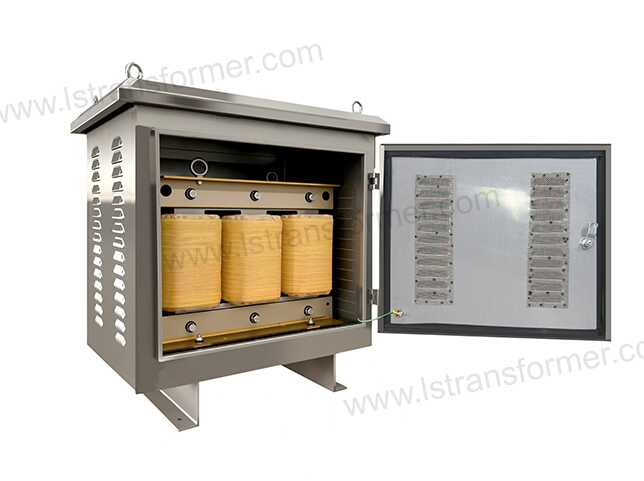






¿Por Qué Los Transformadores Necesidad De Impregnación?

Casa > FAQ
Preguntas frecuentes

¿Por Qué Los Transformadores Necesidad De Impregnación?

Why Transformers Need Impregnation? For large power transformers, reactors, and high-frequency transformers, “impregnation” is not just a simple surface treatment—it is a critical manufacturing process for the insulation system. This article delves into the necessity of transformer impregnation and provides a detailed explanation of the Vacuum Pressure Impregnation (VPI) process widely used in modern industry.

Preguntas frecuentes

Se Transformadores de “Sofocar” en altura?

Will Transformers “Suffocate” on High Altitudes? — A Complete Guide to High-Altitude Transformers As power infrastructure expands into mountainous regions, high-altitude mining areas, or emerging markets at elevated altitudes, a critical question arises: Can standard-designed transformers operate “without worries” in high-altitude environments? Just as humans face challenges due to thin oxygen at high altitudes, transformers

Preguntas frecuentes

Un Fuerte “Bang” Cuando la Conmutación De un Transformador: Es Dañado?

A Loud “Bang” When Switching On a Transformer: Is It Damaged? Transformers are vital components in power systems, and their stable operation is crucial. When energizing a transformer after installation or maintenance, you might sometimes hear a significant humming noise or a loud “bang.” This phenomenon, possible in power operations worldwide, often raises concerns among

Preguntas frecuentes

Why You Should Never Test Insulation Resistance Immediately After Transformer Shutdown?

Why You Should Never Test Insulation Resistance Immediately After Transformer Shutdown? For transformer and reactor maintenance engineers, performing regular Insulation Resistance Testing is a key part of preventive maintenance. It helps assess the health of the insulation between windings and ground, predicting potential faults. However, a common and dangerous mistake is testing immediately after shutdown.

Preguntas frecuentes

Can You Use a Household Fan if a Transformer Cooling Fan Fails? —A Complete Guide to Risks & Professional Solutions

Can You Use a Household Fan if a Transformer Cooling Fan Fails? —A Complete Guide to Risks & Professional Solutions In the daily operation of transformers or reactors, the cooling system is critical for ensuring safe and stable performance. Maintenance personnel often face situations where a transformer’s cooling fan fails. Especially during emergencies or with

Preguntas frecuentes

What Are the Requirements for Parallel Operation of Transformers?

What Are the Requirements for Parallel Operation of Transformers? In critical applications such as power systems, industrial facilities, and data centers, ensuring continuous and reliable power supply is paramount. Transformers, being the core equipment for electrical energy transmission and distribution, can be operated in parallel to enhance system capacity, redundancy, and flexibility. In simple terms,

Preguntas frecuentes

Have You Chosen the Right “Protective Clothing” for Your Transformer?

Have You Chosen the Right “Protective Clothing” for Your Transformer? — A Detailed Guide to IP Ratings In the fields of international electrical engineering and power equipment procurement, “transformer protection level” is a core keyword frequently searched by engineers, buyers, and project planners. When selecting a transformer or reactor for your project, beyond focusing on

Preguntas frecuentes

What Are the Key Differences Between Transformers and Reactors?

What Are the Key Differences Between Transformers and Reactors? For professionals working in power systems, industrial automation, or renewable energy, transformers and reactors are two essential and common electromagnetic devices. While they may sometimes look similar and both operate on the principle of electromagnetic induction, their core functions, design purposes, and application scenarios are fundamentally

WhatsApp QR WeChat QR sales@hnlsdz.com
Desplazarse a la parte Superior