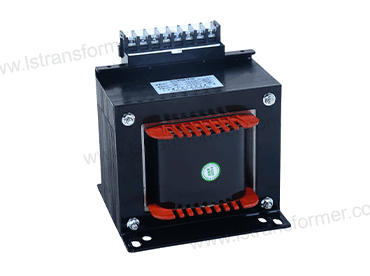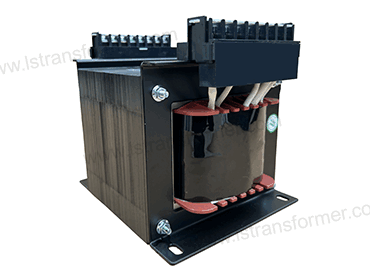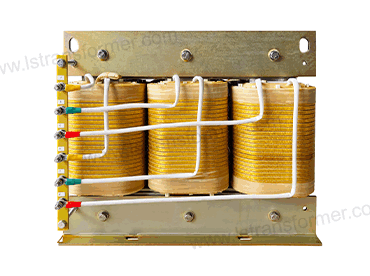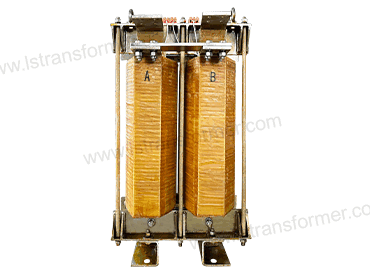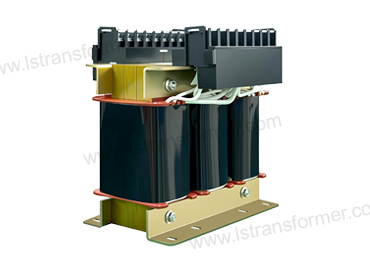






What are the advantages of single-phase transformers?

Home > FAQ > Page 15
FAQ

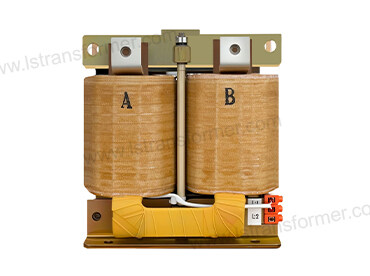
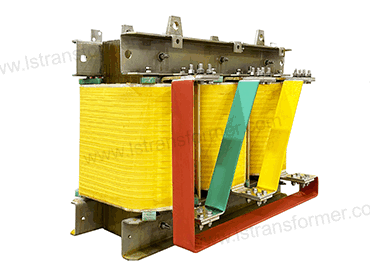
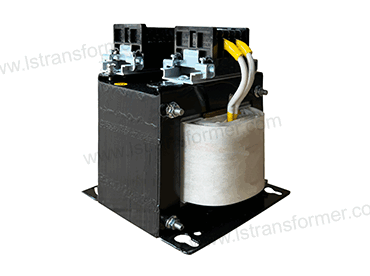
What are the advantages of single-phase transformers?

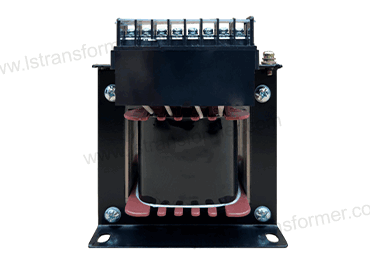
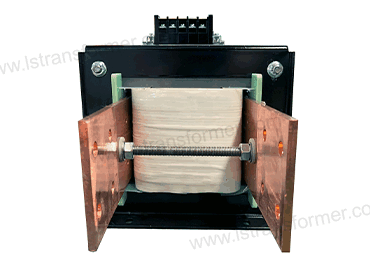
What are the advantages of single-phase transformers? Less material usage: Single-phase transformers require 20% less iron and 10% less copper compared to three-phase transformers of the same capacity. Particularly when using a wound iron core structure, the no-load losses of the transformer can be reduced by more than 15%. This reduction in material usage leads
FAQ

Maintaining and Operating a Contact Regulating Transformer

Maintaining and Operating a Contact Regulating Transformer In order to ensure the proper operation and maintenance of a contact regulating transformer, it is important to understand the basic principles and components involved. The primary components of the transformer are the contact coil, two arms, and two contact electrodes. The contact coil is connected to the

FAQ

Several different types of wiring arrangements for contact regulating transformers.

Several different types of wiring arrangements for contact regulating transformers. The most common type is the two-wire arrangement, which is typically used for low voltage applications. This arrangement consists of two leads, one connected to the contact electrode and the other connected to the DC power supply. This type of wiring is the simplest and

FAQ

What are the features of a contact-controlled transformer?

What are the features of a contact-controlled transformer? The structure of a contact regulating transformer is relatively simple, but engineered with a number of special features. First, the transformer is designed with two or more coils and arms. The two or more coils act as the primary and secondary coils and can be composed of

FAQ

Understanding the Working Principles of Contact Regulating Transformers

Understanding the Working Principles of Contact Regulating Transformers The working principle of a contact regulating transformer is similar to that of an alternator-regulator system. Essentially, the transformer is designed to control the power output of an AC-DC power supply. The contact regulating transformer is comprised of a contact coil, two arms, and two contact electrodes.

FAQ

The first autotransformer of Xuanji High-speed Railway was successfully installed

The first autotransformer of Xuanji High-speed Railway was successfully installed A transformer is an electrical device used to convert the voltage of alternating current from one voltage level to another. It mainly consists of one or more coils (called windings) and a magnetic core. When an input current flows in one winding, it creates a

FAQ

Revealing the Impedance-Frequency Characteristics of Reactors – From Power Frequency to High Frequency

Revealing the Impedance-Frequency Characteristics of Reactors  – From Power Frequency to High Frequency In power systems and electronic devices, reactors play a critical role. But did you know that the same reactor exhibits entirely different impedance characteristics at different frequencies? This frequency dependency directly impacts reactor performance in various applications. This article delves into the

FAQ

How to Control Transformer Temperature Rise in High-Temperature Environments? —Synergistic Design of Heat-Resistant Insulation Materials and Forced Air Cooling

How to Control Transformer Temperature Rise in High-Temperature Environments? —Synergistic Design of Heat-Resistant Insulation Materials and Forced Air Cooling Against the backdrop of global warming and increasing industrial demand, the stable operation of transformers in high-temperature environments has become a major challenge for the power industry. This article delves into a comprehensive solution for controlling

FAQ

Comparison of the Four Core Partial Discharge Detection Technologies: In-Depth Analysis of Principles, Advantages, and Applications

Comparison of the Four Core Partial Discharge Detection Technologies: In-Depth Analysis of Principles, Advantages, and Applications In the field of safety maintenance for high-voltage electrical equipment, Partial Discharge Detection (PD Detection) plays a critical role as an early warning system. As global power grids demand higher reliability for key assets such as transformers and reactors,

FAQ

What kind of sealing material should be chosen for oil-immersed transformers?

What kind of sealing material should be chosen for oil-immersed transformers? Choosing sealing materials that are compatible with the characteristics of transformers is crucial. Technical conditions related to sealing materials include the working medium, working pressure, and working temperature. The working medium mainly involves transformer oil, air, and water. The working pressure is primarily determined

WhatsApp QR WeChat QR sales@hnlsdz.com
Scroll to Top