Why Do European Customers Prefer Halogen-Free Cables? —The Impact of Environmental Regulations on Cable Procurement

Home > FAQ > Page 42
FAQ

Why Do European Customers Prefer Halogen-Free Cables? —The Impact of Environmental Regulations on Cable Procurement

Why Do European Customers Prefer Halogen-Free Cables? —The Impact of Environmental Regulations on Cable Procurement With the growing global awareness of environmental protection, the European market has imposed increasingly stringent eco-friendly requirements on electrical and electronic products. As a manufacturer or purchaser of transformers and reactors, understanding why European customers prefer halogen-free cables is crucial.
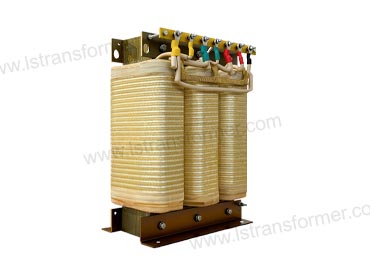
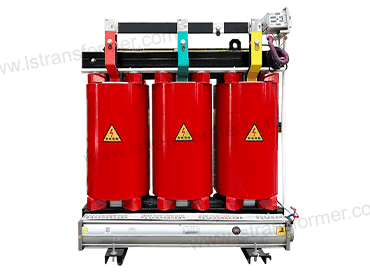
FAQ

​How to Solve Excessive Contact Resistance at Wire Connection Points? —Comprehensive Analysis and Systematic Solutions

How to Solve Excessive Contact Resistance at Wire Connection Points? —Comprehensive Analysis and Systematic Solutions In modern power systems and electronic equipment, the performance of transformers and reactors directly depends on the quality of their electrical connections. Excessive contact resistance, a seemingly minor issue, is actually a primary cause of equipment failure, reduced energy efficiency,

FAQ

How to Perform Online Monitoring of Winding Partial Discharge? ​—UHF Sensor Solution Design

How to Perform Online Monitoring of Winding Partial Discharge? —UHF Sensor Solution Design Transformers are the core equipment of power grids, and the insulation health of their windings directly determines grid operation safety. Statistics from the International Council on Large Electric Systems (CIGRE) show that insulation degradation is the leading cause of transformer failures, accounting

FAQ

Oil-Immersed Transformers vs. Dry-Type Transformers: A Deep Technical Analysis of Lead Sealing Processes

Oil-Immersed Transformers vs. Dry-Type Transformers: A Deep Technical Analysis of Lead Sealing Processes Transformers are the core equipment of power systems, and the sealing process of their leads directly impacts the reliability and safety of operation. This article provides an in-depth analysis of the fundamental differences in lead sealing processes between oil-immersed and dry-type transformers,

FAQ

How to Calculate the Transformer Winding Wire Diameter? —Complete Guide and Key Factor Analysis

How to Calculate the Transformer Winding Wire Diameter? —Complete Guide and Key Factor Analysis The selection of the transformer winding wire diameter directly impacts its performance, efficiency, and safety. Proper wire diameter calculation can reduce copper loss, improve heat dissipation, and ensure long-term stable operation. This article provides a detailed breakdown of the methods for

FAQ

Why Do Transformers in the Chemical Industry Require High Ingress Protection (IP) Ratings?

Why Do Transformers in the Chemical Industry Require High Ingress Protection (IP) Ratings? In the power systems of the chemical industry, the choice oftransformer protection level directly impacts equipment safety, reliability, and service life. Chemical environments often contain harsh factors such as corrosive gases, dust, and moisture, which impose higher demands on the protective performance of

FAQ

Why Mining Transformers Require Dual Explosion-Proof and Moisture-Resistant Design?

Why Mining Transformers Require Dual Explosion-Proof and Moisture-Resistant Design? In the global mining equipment market, mining transformers are critical power devices whose safety and reliability directly impact the continuity of mining operations and personnel safety. With increasingly stringent international mining safety standards such asIEC 60079and the and theATEX Directive, explosion-proof and moisture-resistant designs have become

FAQ

How to Prevent Insulation Performance Degradation of Reactors in Hot and Humid Climates?

How to Prevent Insulation Performance Degradation of Reactors in Hot and Humid Climates? In tropical and subtropical regions, high temperature and humidity pose serious challenges to the insulation performance of power equipment, especially reactors. Insulation degradation can lead to equipment failure, system outages, and even safety accidents. According toIEEE Std C57.12.90-2015, for every 10% increase in

FAQ

What Does “Protection Against Foreign Objects” Mean in Ingress Protection (IP) Ratings?

What Does “Protection Against Foreign Objects” Mean in Ingress Protection (IP) Ratings? For electrical and electronic equipment, theIngress Protection (IP) rating is a critical concept defining how well an enclosure protects against the intrusion of solid foreign objects and liquids. Understanding “protection against solid objects” is especially important for key power equipment liketransformers and reactors, as

WhatsApp QR WeChat QR sales@hnlsdz.com
Scroll to Top