Que los Mercados de los países Aceptan el Aluminio como un Sustituto para el bobinado de Cobre? —Una Reducción de Costos Estrategia para la producción de transformadores

Casa > Preguntas frecuentes > Página 42
Preguntas frecuentes

Que los Mercados de los países Aceptan el Aluminio como un Sustituto para el bobinado de Cobre? —Una Reducción de Costos Estrategia para la producción de transformadores

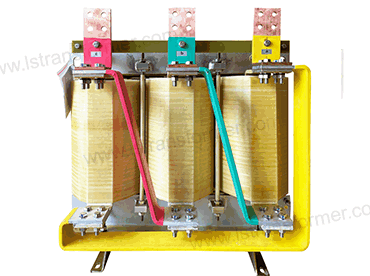
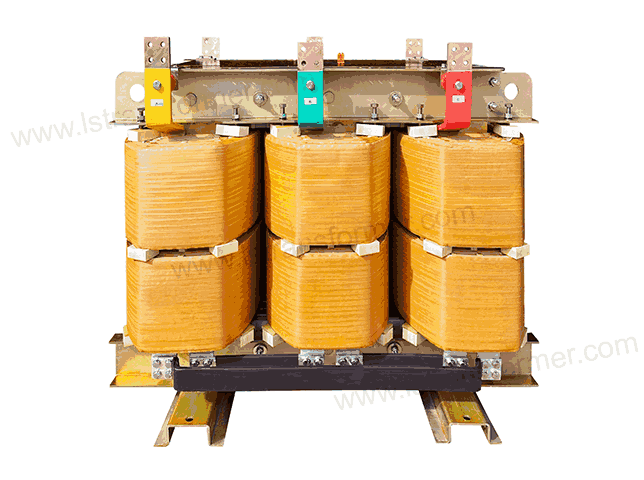
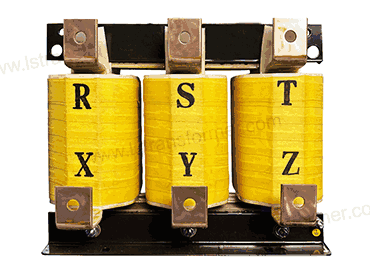
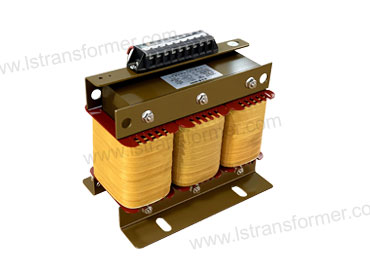
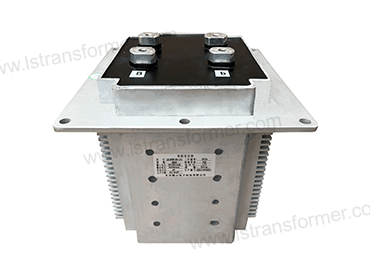
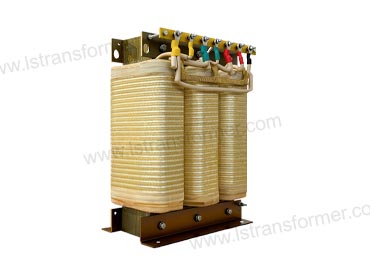
Which Country Markets Accept Aluminum as a Substitute for Copper Windings? —A Cost-Reduction Strategy for Transformer Manufacturing Amid the global energy transition and power infrastructure upgrades, the manufacturing costs of transformers and reactors have become a key industry focus. Copper, the traditional conductive material, offers excellent performance but comes at a high price, prompting manufacturers
Preguntas frecuentes

¿Por Qué Los Clientes Europeos Prefieren Libre De Halógenos Cables? —El Impacto de las Regulaciones Ambientales en el Cable de Contratación

Why Do European Customers Prefer Halogen-Free Cables? —The Impact of Environmental Regulations on Cable Procurement With the growing global awareness of environmental protection, the European market has imposed increasingly stringent eco-friendly requirements on electrical and electronic products. As a manufacturer or purchaser of transformers and reactors, understanding why European customers prefer halogen-free cables is crucial.

Preguntas frecuentes

Cómo Manejar el Transformador de la Luz de Alarma de Gas? — Una Guía Autorizada por el Mundial de Expertos en Mantenimiento

How to Handle Transformer Light Gas Alarm? — An Authoritative Guide by Global Maintenance Experts The light gas alarm in a transformer is a critical early warning signal in power systems. As one of the most essential non-electrical protections for transformers, the activation of the light gas contact in a Buchholz relay directly indicates abnormal

Preguntas frecuentes

Cómo Resolver el problema de la Excesiva Resistencia de Contacto en el Cable de Conexión de Puntos? —Análisis exhaustivo y Sistemático de las Soluciones

How to Solve Excessive Contact Resistance at Wire Connection Points? —Comprehensive Analysis and Systematic Solutions In modern power systems and electronic equipment, the performance of transformers and reactors directly depends on the quality of their electrical connections. Excessive contact resistance, a seemingly minor issue, is actually a primary cause of equipment failure, reduced energy efficiency,

Preguntas frecuentes

Cómo Realizar el Monitoreo en Línea de Bobinado Parcial de Descarga? —UHF Sensor de Diseño de la Solución

How to Perform Online Monitoring of Winding Partial Discharge? —UHF Sensor Solution Design Transformers are the core equipment of power grids, and the insulation health of their windings directly determines grid operation safety. Statistics from the International Council on Large Electric Systems (CIGRE) show that insulation degradation is the leading cause of transformer failures, accounting

Preguntas frecuentes

De aceite de Transformadores Inmersos vs Transformadores Tipo Seco: Un Profundo Análisis Técnico de Plomo Sellado de los Procesos de

Oil-Immersed Transformers vs. Dry-Type Transformers: A Deep Technical Analysis of Lead Sealing Processes Transformers are the core equipment of power systems, and the sealing process of their leads directly impacts the reliability and safety of operation. This article provides an in-depth analysis of the fundamental differences in lead sealing processes between oil-immersed and dry-type transformers,

Preguntas frecuentes

Cómo Calcular el Transformador Bobinado de Alambre de Diámetro? —Guía completa y Factor Clave de Análisis

How to Calculate the Transformer Winding Wire Diameter? —Complete Guide and Key Factor Analysis The selection of the transformer winding wire diameter directly impacts its performance, efficiency, and safety. Proper wire diameter calculation can reduce copper loss, improve heat dissipation, and ensure long-term stable operation. This article provides a detailed breakdown of the methods for

Preguntas frecuentes

¿Por qué los Transformadores en la Industria Química Requieren un Alto índice de Protección (IP) Calificaciones?

Why Do Transformers in the Chemical Industry Require High Ingress Protection (IP) Ratings? In the power systems of the chemical industry, the choice oftransformer protection level directly impacts equipment safety, reliability, and service life. Chemical environments often contain harsh factors such as corrosive gases, dust, and moisture, which impose higher demands on the protective performance of

Preguntas frecuentes

¿Por qué la Minería de Transformadores Requieren Dual a Prueba de Explosión y Resistente a la Humedad de Diseño?

Why Mining Transformers Require Dual Explosion-Proof and Moisture-Resistant Design? In the global mining equipment market, mining transformers are critical power devices whose safety and reliability directly impact the continuity of mining operations and personnel safety. With increasingly stringent international mining safety standards such asIEC 60079and the and theATEX Directive, explosion-proof and moisture-resistant designs have become

Preguntas frecuentes

Cómo Evitar el Aislamiento de la Degradación del Rendimiento de los Reactores en los Climas Calientes y Húmedos?

How to Prevent Insulation Performance Degradation of Reactors in Hot and Humid Climates? In tropical and subtropical regions, high temperature and humidity pose serious challenges to the insulation performance of power equipment, especially reactors. Insulation degradation can lead to equipment failure, system outages, and even safety accidents. According toIEEE Std C57.12.90-2015, for every 10% increase in

WhatsApp QR WeChat QR sales@hnlsdz.com
Desplazarse a la parte Superior