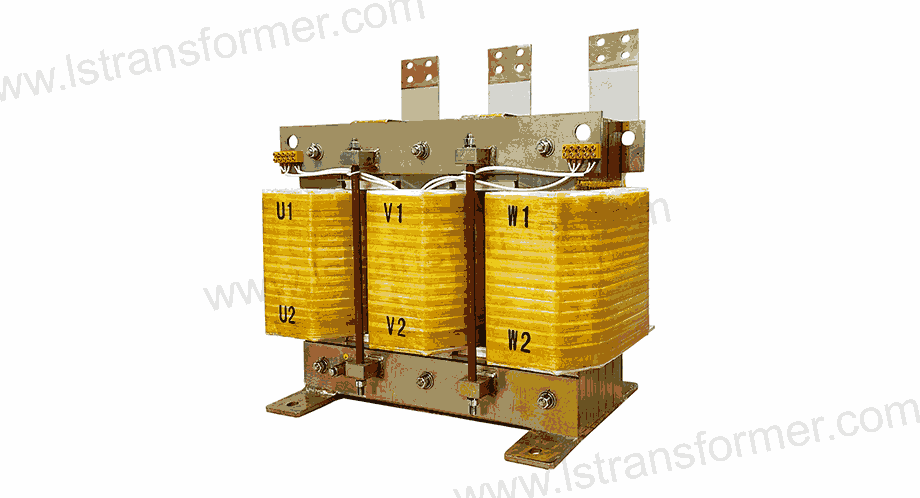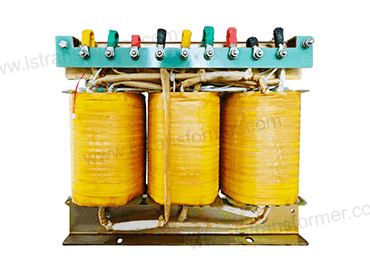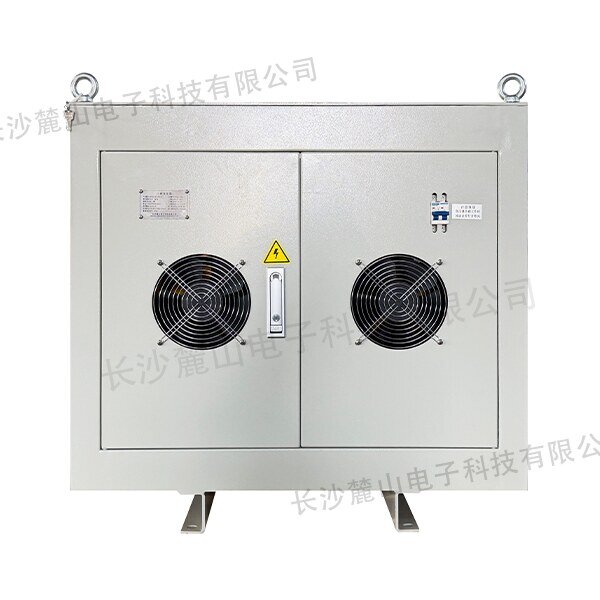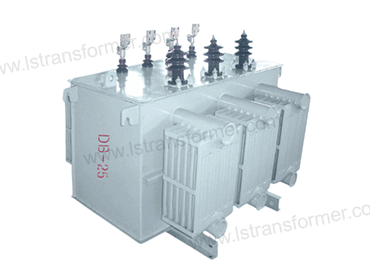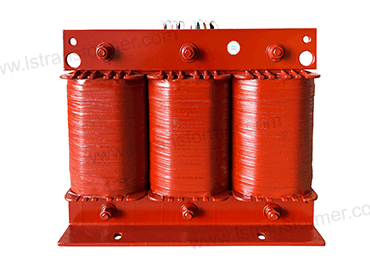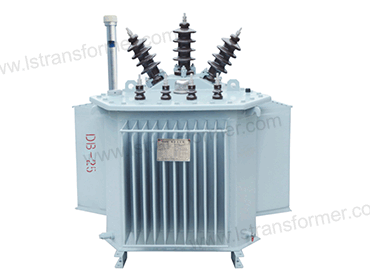
Especial con los Requisitos de Diseño para los Transformadores Utilizados en Regiones de Elevada Altitud

Casa > Preguntas frecuentes > Página 43
Preguntas frecuentes

Especial con los Requisitos de Diseño para los Transformadores Utilizados en Regiones de Elevada Altitud

Special Design Requirements for Transformers Used in High-Altitude Regions Power equipment must be adapted to complex environmental conditions worldwide, and high-altitude areas present unique challenges for transformers. This article explores the key design adjustments required for transformers operating in high-altitude environments and explains why these improvements are essential to ensure reliable performance under extreme conditions.
Preguntas frecuentes

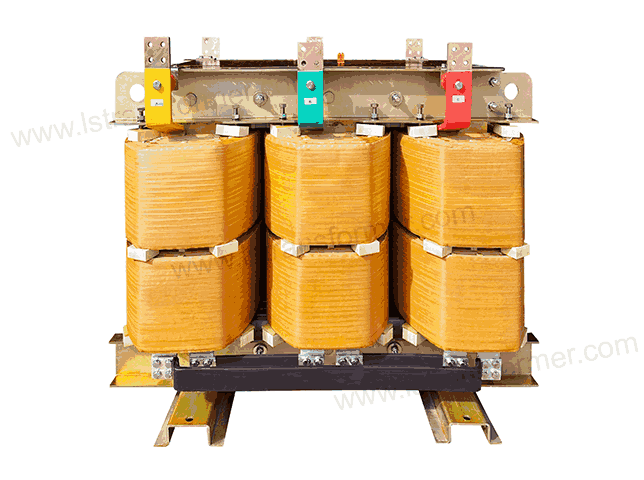
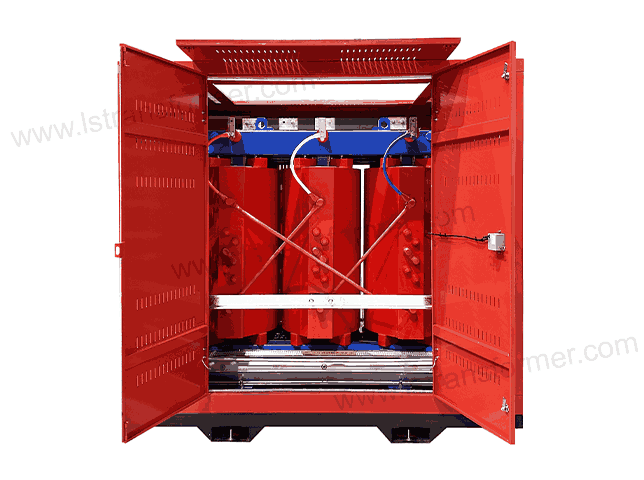
¿Qué Es la Típica Clasificación de Protección para el Exterior de los Reactores?

What Is the Typical Protection Rating for Outdoor Reactors? In global power infrastructure, outdoor reactors are key equipment for reactive power compensation and short-circuit current limitation. Their protection rating directly affects long-term reliability and operational safety. This article explores international standards for outdoor reactor protection ratings, selection criteria, and implementation methods to provide comprehensive technical

Preguntas frecuentes

Cinco principales Desafíos Ambientales de la energía Eólica Offshore Transformadores y Sus Soluciones

Five Key Environmental Challenges for Offshore Wind Transformers and Their Solutions In the global shift towards renewable energy, offshore wind power has become a strategic focus due to its abundant resources and stable power generation. However, compared to onshore wind turbines, offshore wind transformers operate in truly “extreme” conditions, posing unprecedented challenges to equipment reliability.

Preguntas frecuentes

Ventajas y Desventajas de los Sistemas de Enfriamiento del Agua de los Reactores

Reactors are essential reactive power compensation devices in power systems. The choice of cooling method directly impacts their performance and lifespan. With the development of power electronics and the growing demand for high-capacity reactors, water cooling systems have gained significant attention due to their highly efficient heat dissipation capabilities. This article provides an in-depth analysis

Preguntas frecuentes

Cómo Prevenir la Rotura de los Alambres de Plomo en Ambientes de Vibración? —La Mejor Guía De Protección

In settings such as power plants, rail transit, marine propulsion, or large industrial facilities, transformers and reactors are continuously subjected to mechanical vibrations. Fatigue-induced breakage of lead wires due to vibration is a critical hidden danger that can lead to unexpected equipment shutdowns or even safety incidents. According to the IEEE C57.12.90 standard, over 35%

Preguntas frecuentes

Hace Alto Nivel de Protección (Tales como IP66) Afectan a la Disipación de Calor en el Rendimiento de los Transformadores?

In power systems and industrial applications, transformer protection level and heat dissipation performance are two critical factors. With increasing global demands for equipment durability and environmental adaptability, high protection level transformers such as those rated IP66 are becoming more popular in the market. However, many engineers and purchasing decision-makers are asking: Does enhanced protection come

Preguntas frecuentes

Cómo Elegir la Terminal de Configuraciones de Transformadores y Reactores Basados en la Clasificación de la Corriente?

How to Choose Terminal Configurations for Transformers and Reactors Based on Current Rating? In the design and application of transformers and reactors, the choice of terminal configuration directly impacts equipment performance, safety, and service life. For different current ratings, engineers must consider factors such as conductor ampacity, thermal effects, and electromagnetic compatibility. This article systematically

Preguntas frecuentes

Por qué Transformador de Subida de la Temperatura requiere Especial Atención en las Regiones Tropicales?

Transformer temperature rise is fundamentally a thermodynamic equilibrium process involving multiple physical and chemical dimensions such as energy conversion, heat transfer, and material performance. Under tropical climate conditions, this balanced system faces numerous challenges. According to joint research data from IEC 60076-7 and IEEE Std C57.91, 63% of transformer failures in tropical regions are directly or

Preguntas frecuentes

La UE Directiva RoHS: ¿cuáles Son las Restricciones sobre el Plomo de Materiales de Alambre? —Guía de cumplimiento y la Selección de Materiales

EU RoHS Directive: What Are the Restrictions on Lead Wire Materials? —Compliance Guide and Material Selection The EU Restriction of Hazardous Substances (RoHS) Directive is a critical regulation affecting the design, manufacturing, and sale of electrical and electronic equipment (EEE) worldwide. As a core component of transformers and reactors, the material selection for lead wires

Preguntas frecuentes

Cómo Proteger a los distribuidores de Gas de la Corrosión en Plantas Químicas? – Integral De Estrategias Y Estudios De Caso

In chemical production zones, transformers face severe challenges due to gas corrosion. The air often contains corrosive gases such as hydrogen sulfide (H₂S), sulfur dioxide (SO₂), and chlorine (Cl₂). These gases accelerate the aging of insulation materials and corrode metal components, leading to shorter equipment lifespan, higher failure rates, and even safety incidents. According to

WhatsApp QR WeChat QR sales@hnlsdz.com
Desplazarse a la parte Superior