Spécial des Exigences de Conception pour les Transformateurs Utilisés dans les Régions d'Altitude

FAQ

Spécial des Exigences de Conception pour les Transformateurs Utilisés dans les Régions d'Altitude

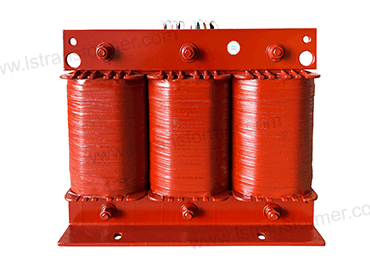
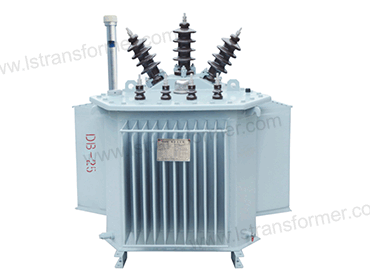
Special Design Requirements for Transformers Used in High-Altitude Regions Power equipment must be adapted to complex environmental conditions worldwide, and high-altitude areas present unique challenges for transformers. This article explores the key design adjustments required for transformers operating in high-altitude environments and explains why these improvements are essential to ensure reliable performance under extreme conditions.
FAQ

Quel Est le degré de Protection pour l'Extérieur des Réacteurs?

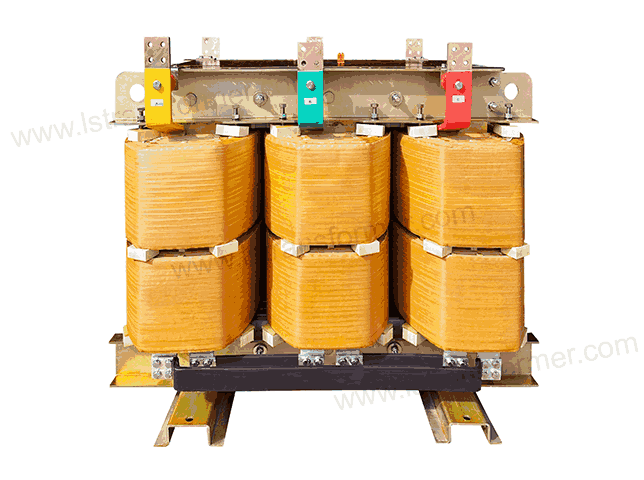
What Is the Typical Protection Rating for Outdoor Reactors? In global power infrastructure, outdoor reactors are key equipment for reactive power compensation and short-circuit current limitation. Their protection rating directly affects long-term reliability and operational safety. This article explores international standards for outdoor reactor protection ratings, selection criteria, and implementation methods to provide comprehensive technical

FAQ

Les cinq Principaux Défis Environnementaux pour l'Éolien Offshore Transformateurs et Leurs Solutions

Five Key Environmental Challenges for Offshore Wind Transformers and Their Solutions In the global shift towards renewable energy, offshore wind power has become a strategic focus due to its abundant resources and stable power generation. However, compared to onshore wind turbines, offshore wind transformers operate in truly “extreme” conditions, posing unprecedented challenges to equipment reliability.

FAQ

Les avantages et les Inconvénients de l'Eau les Systèmes de Refroidissement des Réacteurs

Reactors are essential reactive power compensation devices in power systems. The choice of cooling method directly impacts their performance and lifespan. With the development of power electronics and the growing demand for high-capacity reactors, water cooling systems have gained significant attention due to their highly efficient heat dissipation capabilities. This article provides an in-depth analysis

FAQ

Comment faire pour Empêcher le Fil de Rupture dans la Vibration des Environnements? —L'Ultime Guide De Protection Des

In settings such as power plants, rail transit, marine propulsion, or large industrial facilities, transformers and reactors are continuously subjected to mechanical vibrations. Fatigue-induced breakage of lead wires due to vibration is a critical hidden danger that can lead to unexpected equipment shutdowns or even safety incidents. According to the IEEE C57.12.90 standard, over 35%

FAQ

Ne Haut Niveau de Protection (Tels que IP66) Affecter les Performances de Dissipation de Chaleur de Transformateurs?

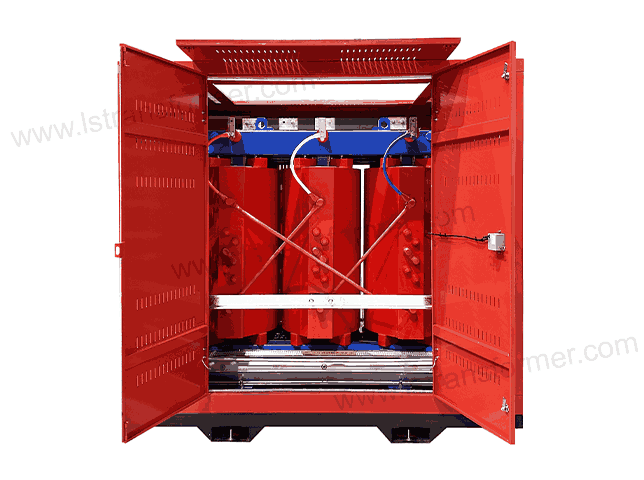
In power systems and industrial applications, transformer protection level and heat dissipation performance are two critical factors. With increasing global demands for equipment durability and environmental adaptability, high protection level transformers such as those rated IP66 are becoming more popular in the market. However, many engineers and purchasing decision-makers are asking: Does enhanced protection come

FAQ

Comment Choisir le Terminal de Configurations pour les Transformateurs et les Réacteurs Basés sur l'estimation Actuelle?

How to Choose Terminal Configurations for Transformers and Reactors Based on Current Rating? In the design and application of transformers and reactors, the choice of terminal configuration directly impacts equipment performance, safety, and service life. For different current ratings, engineers must consider factors such as conductor ampacity, thermal effects, and electromagnetic compatibility. This article systematically

FAQ

Pourquoi Transformateur Augmentation de la Température Exige une Attention Particulière dans les Régions Tropicales?

Transformer temperature rise is fundamentally a thermodynamic equilibrium process involving multiple physical and chemical dimensions such as energy conversion, heat transfer, and material performance. Under tropical climate conditions, this balanced system faces numerous challenges. According to joint research data from IEC 60076-7 and IEEE Std C57.91, 63% of transformer failures in tropical regions are directly or

FAQ

Directive européenne RoHS: Quelles Sont les Restrictions sur le Fil de Matériaux? —Guide de conformité et le choix des Matériaux

EU RoHS Directive: What Are the Restrictions on Lead Wire Materials? —Compliance Guide and Material Selection The EU Restriction of Hazardous Substances (RoHS) Directive is a critical regulation affecting the design, manufacturing, and sale of electrical and electronic equipment (EEE) worldwide. As a core component of transformers and reactors, the material selection for lead wires

FAQ

Comment Protéger les Transformateurs de Gaz de Corrosion dans les Usines de produits Chimiques? – Complète Les Stratégies Et Études De Cas

In chemical production zones, transformers face severe challenges due to gas corrosion. The air often contains corrosive gases such as hydrogen sulfide (H₂S), sulfur dioxide (SO₂), and chlorine (Cl₂). These gases accelerate the aging of insulation materials and corrode metal components, leading to shorter equipment lifespan, higher failure rates, and even safety incidents. According to

WhatsApp QR WeChat QR IVL 0.013mH-610A
Faire défiler vers le Haut