
 EN
EN
 FR
FR DE
DE ES
ES
Wie lässt sich die Teilentladung in Wicklungen online überwachen? – UHF-Sensorlösungsdesign
Wie lässt sich die Teilentladung in Wicklungen online überwachen?
—UHF-Sensorlösungsdesign
Transformatoren sind die Kernkomponenten von Stromnetzen, und der Zustand der Wicklungsisolierung ist entscheidend für die Betriebssicherheit des Netzes. Statistiken des International Council on Large Electric Systems (CIGRE) zeigen, dass Isolationsverschlechterung die Hauptursache für Transformatorausfälle ist und über 70 % der Fälle ausmacht. Teilentladungen (TE) sind der empfindlichste Frühindikator für Isolationsverschlechterung. Herkömmliche Offline-Prüfverfahren (wie das Impulsstromverfahren nach IEC 60270) können die tatsächlichen Entladungseigenschaften im Betrieb nicht erfassen.
Inhalt
1.Grenzen traditioneller Online-Überwachungsmethoden und der Aufstieg der UHF-Technologie
● Herausforderungen der Impulsstrommethode in Online-Anwendungen:
Dieses Verfahren, basierend auf der Norm IEC 60270, misst transiente Spannungen an einer Detektionsimpedanz, um die Entladungsstärke (in Pikocoulomb, pC) zu quantifizieren. In Umspannwerken bilden Transformatoren und angeschlossene Geräte jedoch ein weitverzweigtes elektrisches Netz, das breitbandige elektromagnetische Störungen (z. B. Koronaentladungen, Schaltvorgänge, Rauschen in der Leistungselektronik) mit Frequenzen von einigen zehn kHz bis zu mehreren hundert MHz erzeugt. Diese Störsignale überlagern häufig die eigentlichen Teilentladungssignale, was zu einem schlechten Signal-Rausch-Verhältnis und einer deutlich reduzierten Detektionsempfindlichkeit und -zuverlässigkeit führt.
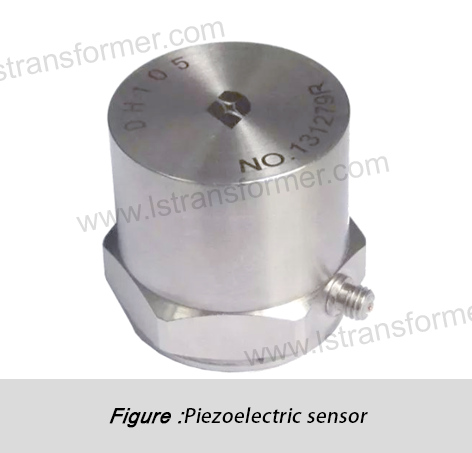
● Herausforderungen der akustischen Methode in der Praxis:
Das akustische Verfahren detektiert Ultraschallwellen (20 kHz–300 kHz), die von Teilentladungen erzeugt werden, um Entladungsquellen zu lokalisieren. Im Inneren eines in Betrieb befindlichen Transformators führen jedoch komplexe Strukturen wie Isolieröl, Karton und Wicklungen zu einer starken Dämpfung der Schallwellen, insbesondere bei höheren Frequenzen. Darüber hinaus überlagern sich Betriebsgeräusche (z. B. Kernmagnetostriktion, Lüftergeräusche) häufig mit den Teilentladungssignalen, was die Extraktion und genaue Lokalisierung erschwert.
● Bahnbrechende Vorteile der UHF-Methode (Physikalische Schicht):
Das UHF-Verfahren detektiert elektromagnetische Wellen (300 MHz–3 GHz), die von der Fotodiode ausgesendet werden. Zu seinen wichtigsten Vorteilen zählen:
(1)Natürliche Geräuschunempfindlichkeit:Störungen durch Umspannwerke (z. B. Koronaentladungen, Schaltvorgänge) konzentrieren sich auf Frequenzen unterhalb von 100 MHz, während UHF-Signale aufgrund des Faraday-Käfigeffekts des Transformators nur minimalen Störungen ausgesetzt sind.
(2)Geringe Ausbreitungsdämpfung:UHF-Wellen werden in Öl-Papier-Isolierungen weniger stark gedämpft als Ultraschallwellen, wodurch eine Detektion über mehrere Meter möglich ist.
2. Wichtige Designüberlegungen für UHF-Sensoren
● Frequenzbandauswahl und -optimierung (Wichtige Abwägungen):
Die Wahl des UHF-Frequenzbandes beeinflusst die Empfindlichkeit, die Störfestigkeit und die Realisierbarkeit des Sensors. Zu den wichtigsten Faktoren gehören:
(1)Empfindlichkeit vs. Rauschen:Die PD-Energie erreicht ihren Höhepunkt im Frequenzbereich von 300 MHz bis 1.5 GHz. Höhere Frequenzen (>1.5 GHz) unterliegen einer stärkeren Dämpfung.
(2)Antennengröße:Die Antennenabmessungen müssen der Wellenlänge entsprechen (λ = c / (f × √εr)). Für 800 MHz in Ölpapier (εr ≈ 2.3) beträgt λ ≈ 0.22 m, was kompakte Bauformen (5–10 cm) ermöglicht.
Faktor |
Niedriges Frequenzband (300–500 MHz) |
Hohes Frequenzband (700–1500 MHz) |
Empfohlener Bereich |
Signaldämpfung |
Niedrigere, größere Reichweite |
Höher (∝ f²), kürzere Reichweite |
300–800 MHz |
Geräuschunempfindlichkeit |
Anfällig für Schaltgeräusche |
Geringeres Hintergrundrauschen |
500–1500 MHz |
Antennengröße |
Größer (λ/4 ≈ 0.58 m für 300 MHz) |
Kompakt (λ/4 ≈ 0.055 m für 1.5 GHz) |
700–1500 MHz |
Impulsauflösung |
Geringere Zeitauflösung |
Höher, besser für die Wellenformanalyse |
> 500 MHz |
Optimale Reichweite |
500 MHz bis 1 GHz |
● Sensortypen und Installationsorte:
(1)Interne Sensoren (Optimal, aber planungsbedürftig):
Eingebettet in Isolieröl oder in der Nähe der Wicklungen für minimale Signalverluste. Ideal für neue Transformatoren oder Nachrüstungen. Einbauorte: Wicklungsdruckplatten, Steigleitungsflansche.
(2)Externe Sensoren (Praktische Lösungen):
- Ölventilsensoren: Sie werden an Probenahmeventilen installiert und nutzen diese als Wellenleiter.
- Buchsenanschluss oder GIS-Sensoren: Verwenden Sie kapazitive Kopplung an den Masseanschlüssen der Durchführung.
- Tankmontierte Sensoren:Nicht-invasiv, aber aufgrund der Metallabschirmung weniger empfindlich.
● Optimierung von Empfindlichkeit und Richtungsempfindlichkeit:
(1)Antennengewinn und Anpassung:Maximieren Sie Gewinn und Bandbreite mit Designs wie Fraktal- oder Patchantennen (VSWR < 2:1).
(2)Richtcharakteristiken Konzentrieren Sie sich auf Bereiche mit hohem Risiko (z. B. HV-Wicklungsenden) mithilfe von Phased-Array-Antennen oder Reflektoren.
(3)Rauscharme Verstärkung:Integrierte LNAs (NF < 3dB, 20–40dB Verstärkung) verbessern das Signal-Rausch-Verhältnis.
3. Architektur und Schlüsseltechnologien des UHF-Online-Überwachungssystems
● Signalverarbeitungspipeline (von der physikalischen zur Informationsschicht):
(1)UHF-Signalerfassung:Umwandlung von elektromagnetischen Wellen in elektrische Signale (µV–mV).
(2)Rauscharme Verstärkung: Signalverstärkung vor Störgeräuschen.
(3)Bandpassfilterung: Störungen außerhalb des Frequenzbandes (z. B. Funksignale) beseitigen.
(4)Hochgeschwindigkeits-ADC:Abtastung mit ≥1 GSPS zur Erhaltung der Pulsdetails (Nyquist: 3–5× höchste Frequenz).
(5)Digitale Signalverarbeitung (DSP):
–Rauschunterdrückung mittels Wavelet-Transformationen.
–Merkmalsextraktion: Amplitude, Impulsbreite, Phase, Anstiegszeit.
(6)KI-Diagnose:Klassifizieren Sie PD-Typen (z. B. Koronaentladungen, Hohlräume) mithilfe von SVM, CNN usw.
● Multisensor-Lokalisierung (TDOA-Methode):
Bei großen Transformatoren sollten 4 oder mehr Sensoren verwendet werden.
zu lösen:
√[(x−xᵢ)² + (y−yᵢ)² + (z−zᵢ)²] − √[(x−x₁)² + (y−y₁)² + (z−z₁)²] = v × Δtᵢ₁
Erfordert Nanosekunden-Zeitsynchronisation (IEEE 1588 PTP) und
bekannte Ölausbreitungsgeschwindigkeit (~1.5e8 m/s).
● Systemintegration und Einhaltung von Standards:
(1)Hardware:Intelligente Sensoren, PTP-Netzwerke, Edge-Server.
(2)Software: Echtzeit-DSP, KI-Diagnostik, IEC 61850/Modbus-Schnittstellen.
Metrisch |
Ziel |
Standard |
Notizen |
Minimal nachweisbare PD (pC) |
<100 pC (intern), <500 pC (extern) |
IEC TS 62478 |
Die Empfindlichkeit hängt von der Sensorplatzierung ab. |
Dynamikbereich |
> 60 dB |
IEEE C57.127 |
Entscheidend für die Erkennung starker/schwacher Teilentladungen. |
Frequenzbereich |
300 MHz bis 1.5 GHz |
CIGR WG D1.11 |
Deckt die primäre Teilentladungsenergie ab |
Genauigkeit der Zeitsynchronisation |
<±1 ns (TDOA) |
IEEE 1588 (PTP) |
Unerlässlich für die Lokalisierung mit mehreren Sensoren |
4. Wert und Implementierung der UHF-Online-Überwachung
UHF-PD-Überwachung ermöglicht:
(1)Frühe Warnung: Isolationsfehler erkennen, bevor es zu katastrophalen Ausfällen kommt.
(2)Genaue Diagnose:Klassifizierung von PD-Typen anhand von PRPD-Mustern und Lokalisation.
(3)Vorausschauende Wartung: Reduzieren Sie ungeplante Ausfälle und verlängern Sie die Lebensdauer Ihrer Anlagen.
Zusammenfassend
UHF-Sensoren bieten eine robuste Lösung für die Online-Überwachung von Teilentladungen und kombinieren hohe Empfindlichkeit, Störfestigkeit und KI-gestützte Diagnose. Weltweit führende Unternehmen wie Siemens und Hitachi Energy setzen UHF-Systeme für die Resilienz intelligenter Stromnetze ein. Fortschritte im Bereich Edge Computing und maschinelles Lernen werden diese Technologie weiter verbessern und so weltweit sicherere und zuverlässigere Stromnetze gewährleisten.
Kontakt
LuShan, Europäische Sommerzeit.1975, ist ein chinesischer professioneller Hersteller, spezialisiert auf Leistungstransformatoren und Reaktoren für50+ Jahre. Führende Produkte sind Einphasentransformator, Dreiphasentransformator Isolierung Transformatoren, elektrischer Transformator, Verteiltransformator, Abwärts- und Aufwärtstransformator, Niederspannungstransformator, Hochspannungstransformator, Steuertransformator, Ringkerntransformator, R-Kern-Transformator;Gleichstrominduktoren, Wechselstromreaktoren, Filterreaktoren, Netz- und Lastreaktoren, Drosseln, Filterreaktoren und Zwischen- und Hochfrequenzprodukte.
Unsere Kraft Transformatoren und Reaktoren werden in zehn Anwendungsbereichen häufig eingesetzt: Schnellverkehr, Baumaschinen, erneuerbare Energien, intelligente Fertigung, medizinische Geräte, Explosionsschutz in Kohlebergwerken, Erregersysteme, Vakuumsintern (Öfen), zentrale Klimaanlagen.
Erfahren Sie mehr über Leistungstransformatoren und Reaktoren:www.lstransformer.com.
Wenn Sie maßgeschneiderte Lösungen für Transformatoren oder Drosseln wünschen, kontaktieren Sie uns bitte.
WhatsApp:+86 17267488565
Email:
[E-Mail geschützt]