
 EN
EN
 FR
FR DE
DE ES
ES
Wie übermäßiger Temperaturanstieg die Isolierung von Transformatoren schädigt – Umfassende Methoden zur Kontrolle des Temperaturanstiegs
Wie führt übermäßiger Temperaturanstieg zu alternder Transformatorisolierung?
— Umfassende Methoden zur Kontrolle des Temperaturanstiegs
Transformatoren sind die Kernkomponenten von Stromversorgungssystemen, und ihre Betriebstemperatur beeinflusst direkt die Lebensdauer der Isoliermaterialien und die Netzsicherheit. Untersuchungen der Internationalen Elektrotechnischen Kommission (IEC) zeigen, dass übermäßiger Temperaturanstieg die Hauptursache für Transformatorenausfälle ist. Dieser Artikel untersucht den Zusammenhang zwischen Temperaturanstieg und Isolationsalterung und stellt eine umfassende, den internationalen Normen (IEC/IEEE) entsprechende Temperaturregelungslösung vor, die die Lebensdauer der Geräte um über 10 Jahre verlängern kann.
Inhalt
1. Wie führt ein Temperaturanstieg zur Zerstörung der Transformatorisolierung? – Mechanismen der irreversiblen Alterung
● Kerngesetz der thermischen Alterung: Arrhenius-Effekt
Die Lebensdauer von Isoliermaterialien nimmt mit steigender Temperatur exponentiell ab. Mit zunehmender Transformatortemperatur verstärkt sich die molekulare Wärmebewegung, was zu einem exponentiellen Anstieg der Wahrscheinlichkeit von Bindungsbrüchen und schließlich zum strukturellen Zusammenbruch führt. Dies folgt der Arrhenius-Gleichung:
L = L₀ × e^(-Eₐ/kT)
- L : Erwartete Lebensdauer (Jahre) bei Temperatur T
- T : Absolute Temperatur des Hotspots (Kelvin = ℃ + 273)
- Eₐ : Aktivierungsenergie des Materials (Joule)
- k : Boltzmann-Konstante (1.38×10⁻²³ J/K)
Schlüssel zum Mitnehmen: Mit jedem Temperaturanstieg von 6–10 °C verkürzt sich die Lebensdauer der Isolierung um etwa 50 %. Beispielsweise sinkt die Lebensdauer einer Isolierung der Klasse B bei einer Betriebstemperatur von 130 °C. von 20 Jahren auf 10 Jahre bei 138°C.
Isolationsklasse |
Maximal zulässige Temperatur (℃) |
Lebensdauerverkürzung bei +8°C |
Typische Materialien |
Klasse A |
105 |
50% |
Imprägnierte Zellulose |
Class B |
130 |
50% |
Glimmerglasfaser |
Klasse F |
155 |
50% |
Hochleistungsharz |
Klasse H |
180 |
50% |
Silikonkautschuk-Verbundwerkstoffe |
Tabelle 1: Isolationsklasse vs. Temperaturlebensdauer (IEC 60085 Standard)
● Dreifache Schädigungsmechanismen durch hohe Temperaturen
(1)Zusammenbruch der mechanischen Festigkeit: Bei 130°C sinkt die Zugfestigkeit von Isolierpapier um 80% (IEEE C57.91).
(2) Verschlechterung der dielektrischen Eigenschaften: Bei einem Temperaturanstieg von 10°C erhöht sich der dielektrische Verlust um 300%.
(3) Synergistische Öl-Papier-Schädigung: Hohe Temperaturen beschleunigen die Öloxidation. Bei einem Säurewert über 0.5 mg KOH/g verkürzt sich die Lebensdauer des Isolierpapiers um 60 %.
2. Drei Hauptursachen für übermäßigen Temperaturanstieg und Lösungsansätze
● Übermäßiger Laststrom führt zu Kupferverlusten
Wenn die Transformatorlast die Auslegungskapazität überschreitet, steigt der Wicklungsstrom. Gemäß dem Jouleschen Gesetz (P=I²R) steigen die ohmschen Verluste quadratisch mit dem Strom, werden direkt in Wärme umgewandelt und erhöhen die Wicklungstemperatur.
Auswirkungen:
(1) 10 % Stromanstieg → 21 % höherer Kupferverlust → ~15 °C Temperaturanstieg.
(2) Eine langfristige Überlastung führt dazu, dass die Temperaturen an bestimmten Stellen die Auslegungsgrenzen überschreiten, wodurch die Alterung der Isolierung beschleunigt wird.
Fallbeispiel: Bei einem 110-kV-Transformator, der drei Jahre lang mit 20 % Überlast betrieben wurde, sank die Polymerisation des Isolierpapiers auf 40 % des Ausgangswertes, was eine vorzeitige Außerbetriebnahme erforderlich machte.
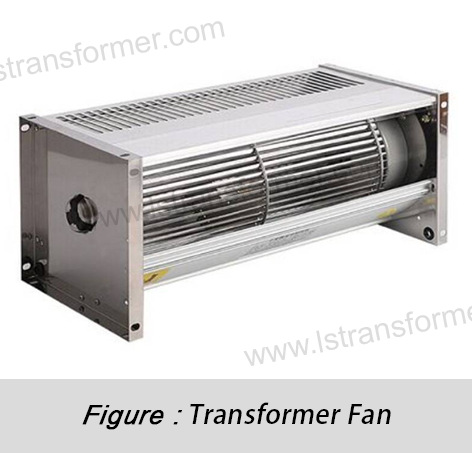
● Rückgang der Kühlsystemeffizienz
Ausfälle des Kühlsystems beeinträchtigen die Wärmeabfuhr unmittelbar.
Fragen:
(1)Staub/Verstopfungen an Heizkörpern: Bereits 1 mm Staub reduziert die Effizienz um 30 %.
(2)Lüfterausfälle:Durch Produktionsunterbrechungen steigt die Öltemperatur um 20–30 °C.
(3)Pumpenineffizienz:Geringer Öldurchfluss erhöht die Hotspot-Temperaturen um 40°C und mehr.
Konsequenz:Wärmestau führt zu Isolierung Nervenzusammenbruch.
● Hohe Umgebungstemperaturen
Die Umgebungstemperatur beeinflusst die Kühlleistung direkt.
Auswirkungen:Mit jedem Anstieg der Umgebungstemperatur um 1°C steigt die Innentemperatur um 0.5–1°C.
Sonnenlicht kann die Oberflächentemperatur im Aquarium um 20°C und mehr erhöhen.
Fallbeispiel: Ein Umspannwerk in Afrika benötigte eine Lastreduzierung von 15 % bei 40 °C, um einen sicheren Betrieb zu gewährleisten.
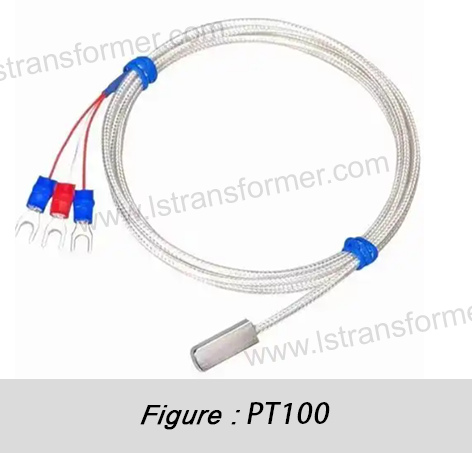
3. Vierdimensionales Temperaturregelungssystem
● Intelligentes Lastmanagement
Maßnahmen:Installieren Sie eine Echtzeitüberwachung, eine dynamische Laststeuerung und ein dreistufiges Warnsystem (80 % Warnung, 90 % Alarm, 100 % automatische Lastabwurfsteuerung) gemäß IEC 60076-7.
Wirkung: Reduziert Überlastungen um 82 %, verringert Temperaturschwankungen von ±12°C auf ±5°C und verlängert die Lebensdauer um 9.2 Jahre (gemäß Daten des 220-kV-Umspannwerks Zhejiang).
● Verbesserte Kühlsystem-Upgrades
Maßnahmen: Verwenden Sie Wellrohrkühler (50 % mehr Oberfläche), intelligente Lüfter mit variabler Drehzahl und Ölflussoptimierer.
Wirkung: Senkt die Öltemperatur von 78 °C auf 60 °C und spart 280,000 kWh/Jahr (pro 500-kV-Umspannwerk in Guangdong).
● Ölqualitätsmanagement
Maßnahmen: Setzen Sie Online-Vakuum-Ölreiniger (<10 ppm Feuchtigkeit, Säurezahl ≤0.03 mgKOH/g) und Antioxidationsmittel ein.
Wirkung:Senkt die durchschnittliche Öltemperatur um 14 °C und verlängert Ölwechselzyklen bis zu 7 Jahre (pro Windpark in der Inneren Mongolei).
● Umweltwärmeoptimierung
Maßnahmen: Installieren Sie reflektierende Vordächer (88 % solare Reflexion), intelligente Belüftung (20–30 Luftwechsel pro Stunde) und nanoreflektierende Bodenbeläge.
Wirkung:Senkt die Oberflächentemperaturen um 28°C und reduziert die Ausfallrate von 7 pro Jahr auf 1 (pro 110-kV-Umspannwerk in Hainan).
Lösungspaket |
Typische Kosten (10 USD) |
Temperaturreduktion (℃) |
ROI-Zeitraum |
Grundrechenarten (1+2) |
80-150 |
12-18 |
2.8-3.5 Jahre |
Standard (1–3) |
180-250 |
18-22 |
2.2-2.8 Jahre |
Premium (1–4) |
280-350 |
22-26 |
1.8-2.3 Jahre |
Zusammenfassend
Intelligente Überwachung, verbesserte Kühlung, optimiertes Ölmanagement und Umweltschutzmaßnahmen können die Transformatortemperaturen senken, die Lebensdauer um 8–15 Jahre verlängern und die Ausfallraten um 60 % reduzieren. Priorisieren Sie die intelligente Überwachung (Amortisationszeit: 2–3 Jahre ), gefolgt von der Optimierung der Kühlung ( Temperaturreduzierung um 15–20 ° C ) und dem Ölmanagement (Wechselintervalle: 7 Jahre). Dieser Ansatz senkt die jährlichen Wartungskosten um 30–50 % und bietet eine kosteneffiziente Lösung für die Netzstabilität.
Kontakt
LuShan , gegründet 1975 , ist ein chinesischer Hersteller von Leistungstransformatoren und Drosselspulen mit über 50 Jahren Erfahrung. Zu den Hauptprodukten gehören Einphasentransformatoren, Dreiphasen- Trenntransformatoren , elektrische Transformatoren , Verteiltransformatoren, Abwärts- und Aufwärtstransformatoren, Niederspannungstransformatoren, Hochspannungstransformatoren, Steuertransformatoren, Ringkerntransformatoren, R-Kern-Transformatoren; Gleichstrominduktivitäten, Wechselstromdrosseln, Filterdrosseln, Netz- und Lastdrosseln, Drosseln sowie Produkte für mittlere und hohe Frequenzen.
Unsere Leistungstransformatoren und Drosselspulen werden in zehn Anwendungsbereichen breit eingesetzt: Schnellverkehr, Baumaschinen, erneuerbare Energien, intelligente Fertigung, Medizintechnik, Explosionsschutz in Kohlebergwerken, Erregersysteme, Vakuumsintern (Ofen), zentrale Klimaanlagen.
Erfahren Sie mehr über Leistungstransformatoren und Drosselspulen: www.lstransformer.com.
Wenn Sie maßgeschneiderte Lösungen für Transformatoren oder Drosseln wünschen, kontaktieren Sie uns bitte.
WhatsApp:+86 13787095096
Email:
[E-Mail geschützt]