
 EN
EN
 FR
FR DE
DE ES
ES
Wie lässt sich ein Kabelbruch in Umgebungen mit Vibrationen verhindern? – Der ultimative Schutzleitfaden
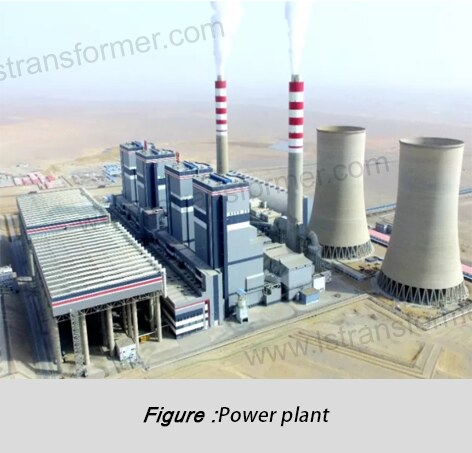
In Bereichen wie Kraftwerken, Schienenverkehr, Schiffsantrieben oder großen Industrieanlagen sind Transformatoren und Drosselspulen ständig mechanischen Vibrationen ausgesetzt. Ermüdungsbedingte Leitungsbrüche durch Vibrationen stellen eine kritische, oft übersehene Gefahr dar, die zu unerwarteten Anlagenstillständen oder sogar Sicherheitsvorfällen führen kann. Gemäß der Norm IEEE C57.12.90 lassen sich über 35 % der mechanischen Ausfälle von Transformatoren auf Fehler in den Verbindungskomponenten zurückführen. Dieser Artikel beleuchtet die Mechanismen der Vibrationsgefahren und bietet einen bewährten, umfassenden Schutzplan, um den stabilen Betrieb Ihrer Anlagen auch unter rauen Umgebungsbedingungen zu gewährleisten.
Inhalt
1. Vibrationsgefahren verstehen: Warum sind Zuleitungen das schwächste Glied?
Die Vibrationsenergie wird über das Gerätegehäuse auf das Zuleitungssystem übertragen, was zu zwei zentralen Problemen führt:
● Materialermüdungsversagen:
(1)Ursache:Anschlussdrähte (insbesondere solche aus Kupfer oder Aluminiumleiter entwickeln unter kontinuierlicher Wechselspannung (verursacht durch Vibrationen) allmählich mikroskopische Risse, selbst wenn die Spannung weit unterhalb der statischen Zugfestigkeit des Materials liegt.
(2)Mechanismus: Das Verhalten folgt dem Prinzip der Spannungs-Lebensdauer-Kurve (S-N-Kurve). Die Formel N = C / σ^m (wobei N die Anzahl der Lastwechsel bis zum Versagen, σ die Spannungsamplitude und C und m Materialkonstanten sind) zeigt, dass bereits eine geringfügige Erhöhung der Spannungsamplitude die Ermüdungslebensdauer drastisch reduziert. Vibrationen erhöhen die Anzahl der Lastwechsel (N) signifikant und beschleunigen so den Ermüdungsprozess.
(3)Konsequenz:Schließlich kommt es an den Spannungskonzentrationspunkten (z. B. Biegungen, Quetschungen oder Isolationsgrenzen) zu einem Sprödbruch des Leiters.
● Lockerung der Verbindungsstelle und Lichtbogenschäden:
(1) Ursache: Vibrationen verursachen Probleme mit den Bolzen, die die Anschlussdrähte verbinden. an Buchsenklemmen, externen Stromschienen oder Kabeln, die sich allmählich lockern und dadurch den Kontaktwiderstand erhöhen.
(2)Mechanismus: Gemäß dem Jouleschen Gesetz P = I²R, erhöht Der Widerstand (R) führt zu einem starken Anstieg der lokalen Heizleistung (P) (bei konstantem Strom I). Hohe Temperaturen oxidieren die Kontaktoberfläche zusätzlich und erzeugen so einen Teufelskreis.
(3)Konsequenz:Schwere Fälle können zu Lichtbögen, Verbrennen der Verbindungsstellen, Schwächung der mechanischen Festigkeit und möglicherweise zu Lichtbogenüberschlägen, Schmelzen oder Brandgefahren führen.
2. Kernschutzstrategien: Mehrschichtige Verteidigung von der Quelle bis zum Endgerät
● Leitermaterialien und -form optimieren: Aufbau eines ermüdungsbeständigen Fundaments
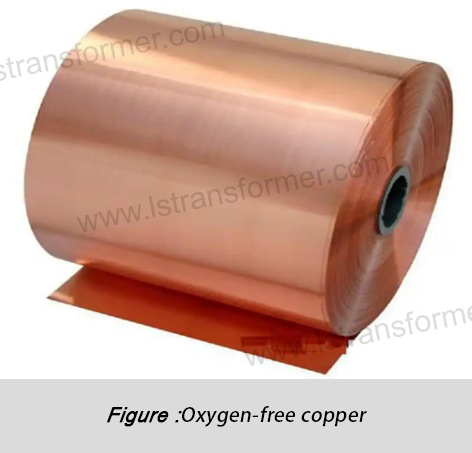
(1)Wählen Sie Werkstoffe mit hoher Dauerfestigkeit: Gemeinsam sauerstofffreies Kupfer (OFC) oder bestimmte Sorten von elektrischem Aluminiumleiter. Im Vergleich zu Standardmaterialien Sie weisen feinere Kornstrukturen und weniger Verunreinigungen auf. Deutliche Verbesserung der Dauerfestigkeit. Feinkörnig. die Entstehung und Ausbreitung von Mikro- Risse (Hall-Petch-Beziehung), während hohe Reinheit reduziert defektbedingte Spannungskonzentrationen. Dies erweitert die Ermüdungslebensdauer der Zuleitungen unter der gleichen Vibration Bedingungen, die das Bruchrisiko verringern.
(2)Flexible Verbindungen (Soft Links) verwenden:Installieren Sie flexible Verbinder zwischen starren Zuleitungen und festen externen Anschlüssen (z. B. Durchführungsklemmen, Stromschienen). Gängige Typen sind:
-Geflochtene Drähte (Zöpfe): Hergestellt aus zahlreichen feinen Kupfer- oder verzinnten Kupferdrähten, bieten sie eine ausgezeichnete Flexibilität und Biegeermüdungsbeständigkeit.
-Laminierte flexible Steckverbinder: Gestapelte dünne Kupferfolien bieten eine hohe Strombelastbarkeit bei gleichzeitiger Flexibilität.
(3)Prinzip:Flexible Verbindungen absorbieren und dissipieren Vibrationsenergie vom Gerätegehäuse und externen Verbindungen aufgrund ihrer hohen Freiheitsgrade und geringen Steifigkeit, wodurch die auf starre Zuleitungen (insbesondere am Ansatz) übertragene Spannungsamplitude drastisch reduziert wird.
(4)Wirkung:Dies ist die direkteste und effektivste Lösung für die Schwingungsübertragung, insbesondere in Umgebungen mit hohen Frequenzen und niedrigen Amplituden.
Leistungsmessung |
Standard-Kupferleiter |
Sauerstofffreies Kupfer (OFC) |
Elektrisches Aluminium (EC-Qualität) |
Kupfergeflecht |
Leitfähigkeit (%IACS) |
~ 100 |
> 101 |
~ 61 |
>95 (äquivalenter Querschnitt) |
Zugfestigkeit (MPa) |
200-250 |
210-270 |
70-150 |
Niedrig (Einzelstrang) |
Ermüdungsfestigkeit |
Medium |
Hoch |
Medium |
Sehr hoch |
Entscheidender Vorteil |
Niedrigere Kosten |
Hohe Reinheit, Duktilität |
Leicht, kostengünstig |
Außergewöhnliche Flexibilität |
Anwendung |
Statisch, geringe Vibration |
Mittelstarke bis starke Vibration |
Statische, leichte Anforderungen |
Hohe Vibration, Verschiebung |
Tabelle 1: Vergleich der wichtigsten Leistungsmerkmale gängiger Leitermaterialien
● Präzise Strukturauslegung und Spannungssteuerung: Schwachstellen beseitigen
(1) Optimierung von Biegeradius und Übergängen:
Mindestbiegeradien (typischerweise 4-) strikt definieren und durchsetzen (Das Sechsfache des Leiterdurchmessers gemäß IEC 60228). Vermeiden Sie scharfe Biegungen in der Nähe des Leiterfußes oder der Isolierung. Verwenden Sie spezielle Biegewerkzeuge, um sanfte Übergänge zu gewährleisten.
Mechanik: Der Spannungskonzentrationsfaktor (Kt) an Biegungen ist umgekehrt proportional zum Biegeradius (r). Die Formel Kt ≈ 1 + 2√(D/(2r)) (D = Drahtdurchmesser) zeigt, dass kleine Radien die lokale Spannung verstärken und dadurch anfälliger für Ermüdungsrisse werden. Eine Vergrößerung des Radius reduziert Kt, senkt die Spannungsspitzen und verzögert die Rissbildung.
(2) Zuverlässiges Crimpen und Befestigen:
Verwenden Sie Klemmen gemäß IEC 61238-1. Ziehen Sie die Anschlussschrauben mit einem Drehmomentschlüssel auf die vorgeschriebenen Drehmomentwerte fest. Verwenden Sie an Durchführungspunkten für die Zuleitung (z. B. Wanddurchführungen) oder an Halterungen elastische Schwingungsdämpfungsklemmen/-bänder, um eine geringe axiale Bewegung zu ermöglichen und gleichzeitig radiale Schwingungen zu verhindern.
Vorteile:Standardmäßiges Crimpen gewährleistet eine metallurgische Verbindung zwischen Leiter und Klemme und bietet so geringen Widerstand und hohe mechanische Festigkeit sowie Schutz vor Lockerung durch Mikrobewegungen. Die Drehmomentkontrolle verhindert Überdrehen (Leiterbeschädigung) oder Unterdrehen (vibrationsbedingte Lockerung). Dämpfungsklemmen unterdrücken Resonanzen und verteilen die Spannung.
● Verbesserte Installation und aktive Überwachung: Die letzte Verteidigungslinie
(1) Gerätebasisisolierung: Installieren Sie elastische Isolatoren (z. B. Gummipuffer, Stahlfedern oder Hochleistungsdämpfungsmaterialien) zwischen dem Transformator-/Reaktorfuß und dem Fundament. Durch die Absenkung der Eigenfrequenz des Systems unter die wichtigsten externen Schwingungsfrequenzen (z. B. Betriebs- oder Netzoberwellen) entkoppeln die Isolatoren die Schwingungen und reduzieren die übertragene Energie (Übertragbarkeit T < 1). Ihre Dämpfungseigenschaften tragen zusätzlich zur Energiedissipation bei, reduzieren die Schwingungseinträge an der Quelle und schützen die gesamte Anlage, einschließlich der Zuleitungen.
(2)Regelmäßige Inspektion und Schwingungsüberwachung:
Führen Sie vorbeugende Wartungsarbeiten durch und überprüfen Sie die Anzugsmomente kritischer Schrauben regelmäßig (z. B. viertel- oder halbjährlich) mit einem Drehmomentschlüssel. Installieren Sie Vibrationsbeschleunigungsmesser an wichtigen Stellen (z. B. an den Enden der Zuleitung, an Halterungen) zur Online- oder Offline-Überwachung.
Zweck: Regelmäßige Inspektionen ermöglichen die frühzeitige Erkennung und Behebung von Lockerungen. Die Schwingungsüberwachung analysiert Effektivwerte der Beschleunigung, Spitzenwerte und Frequenzspektren, um Anomalien (z. B. übermäßige Amplitude, neue Resonanzspitzen) zu identifizieren und so frühzeitig vor potenziellen mechanischen Problemen zu warnen. Dies ermöglicht vorausschauende Wartung und beugt schwerwiegenden Ausfällen vor.
Überwachungsparameter |
Beschreibung |
Schwerpunkte/Potenzielle Problemindikatoren |
Empfohlener Warnschwellenwert (Referenz) |
RMS-Beschleunigung |
Gesamtschwingungsintensität (Einheiten: m/s² oder g). |
Die allgemeinen Vibrationswerte überschreiten die zulässigen Grenzwerte. |
> 2.8 m/s² (0.28 g) – Ursache untersuchen |
Spitzenbeschleunigung |
Erfasst kurzzeitige Einwirkungen oder maximale Amplituden. |
Schwere Stöße, Kollisionen oder durch Lockerung verursachte Einwirkungen. |
> 4 m/s² (0.4 g) |
Frequenzbereich |
Zerlegt die Frequenzkomponenten des Schwingungssignals. |
Dominante Frequenzen: 100/120 Hz (2x Netzfrequenz). Anomale Spitzen (z. B. Frequenzen für Lockerung oder Lagerschäden). |
Signifikante Amplitudenspitzen bei bestimmten Frequenzen oder unbekannte hohe Spitzenwerte. |
Trendanalyse |
Verfolgt Parameteränderungen im Zeitverlauf. |
Der Vibrationsgrad steigt allmählich an. |
Anhaltender Anstieg um mehr als 20-30 % über den Ausgangswert. |
Tabelle 2: Wichtige Parameter und Schwellenwerte für die Schwingungsüberwachung von Anschlussdrähten
Zusammenfassend
Die Zuverlässigkeit der Zuleitungen von Transformatoren und Reaktoren in Umgebungen mit Vibrationen ist entscheidend für den unterbrechungsfreien Betrieb der Energieinfrastruktur. Eine mehrstufige Schutzstrategie – bestehend aus wissenschaftlicher Materialauswahl (hochermüdungsfeste Leiter, flexible Verbindungen), präziser Konstruktion (optimierte Biegungen, sichere Verbindungen, Spannungsverteilung), systemischer Isolation (Basisisolatoren) und intelligenter Wartung (Drehmomentprüfungen, Vibrationsüberwachung) – kann Vibrationsrisiken wirksam minimieren und die Lebensdauer der Anlagen verlängern.
Die Einhaltung internationaler Normen wie IEC 60076 (Leistungstransformatoren), IEC 60228 (Kabeladern), IEC 61238-1 (Crimpverbindungen) und IEEE C57.12.90 (Transformatorprüfung) sichert die Qualität von Konstruktion und Fertigung. Investitionen in diese bewährten Maßnahmen reduzieren nicht nur ungeplante Ausfallzeiten und kostspielige Reparaturen, sondern stärken auch den Ruf und die Wettbewerbsfähigkeit Ihrer Anlagen in anspruchsvollen globalen Anwendungen.
Stellen Sie sicher, dass Ihre Transformatoren und Drosselspulen stabile Verbindungen aufweisen und somit auch die anspruchsvollsten Umgebungen der Welt mit unerschütterlicher Zuverlässigkeit mit Strom versorgen.
Kontakt
LuShan, Europäische Sommerzeit.1975, ist ein chinesischer professioneller Hersteller, spezialisiert auf Leistungstransformatoren und Reaktoren für50+ Jahre. Führende Produkte sind Einphasentransformator, Dreiphasentransformator Isolierung Transformatoren, elektrischer Transformator, Verteiltransformator, Abwärts- und Aufwärtstransformator, Niederspannungstransformator, Hochspannungstransformator, Steuertransformator, Ringkerntransformator, R-Kern-Transformator;Gleichstrominduktoren, Wechselstromreaktoren, Filterreaktoren, Netz- und Lastreaktoren, Drosseln, Filterreaktoren und Zwischen- und Hochfrequenzprodukte.
Unsere Kraft Transformatoren und Reaktoren werden in zehn Anwendungsbereichen häufig eingesetzt: Schnellverkehr, Baumaschinen, erneuerbare Energien, intelligente Fertigung, medizinische Geräte, Explosionsschutz in Kohlebergwerken, Erregersysteme, Vakuumsintern (Öfen), zentrale Klimaanlagen.
Erfahren Sie mehr über Leistungstransformatoren und Reaktoren:www.lstransformer.com.
Wenn Sie maßgeschneiderte Lösungen für Transformatoren oder Drosseln wünschen, kontaktieren Sie uns bitte.
WhatsApp:+86 13787095096
Email:
[E-Mail geschützt]