
 EN
EN
 FR
FR DE
DE ES
ES
Was bedeutet „Schutz gegen Fremdkörper“ bei Schutzartklassen (IP-Schutzarten)?
Was bedeutet „Schutz gegen Fremdkörper“ bei Schutzartklassen (IP-Schutzarten)?
Für elektrische und elektronische Geräte gilt Folgendes:Schutzart (IP). ist ein entscheidendes Konzept, das definiert, wie gut ein Gehäuse vor dem Eindringen fester Fremdkörper und Flüssigkeiten schützt. Das Verständnis des „Schutzes vor festen Fremdkörpern“ ist besonders wichtig für wichtige Energieanlagen wieTransformatoren und Drosselnda es sich direkt auf Sicherheit, Zuverlässigkeit und Lebensdauer auswirkt.
Dieser Artikel erläutert, welche Arten von Objekten unter den Begriff „Fremdkörperschutz“ in IP-Schutzarten fallen und hilft Fachleuten in der Energiewirtschaft – darunter Einkäufer, Betreiber und Wartungsingenieure – fundierte Entscheidungen bei der Auswahl oder Wartung elektrischer Geräte zu treffen.
Inhalt
1. Überblick: Internationaler Standard für IP-Schutzarten (Ingress Protection Code)
Der IP-Code ist in der Norm der Internationalen Elektrotechnischen Kommission (IEC) definiert.IEC 60529Die weltweit verwendete IP-Schutzart bietet eine einheitliche Methode zur Bewertung der Schutzleistung elektrischer Gehäuse. Der IP-Code besteht üblicherweise aus „IP“ gefolgt von zwei Ziffern:
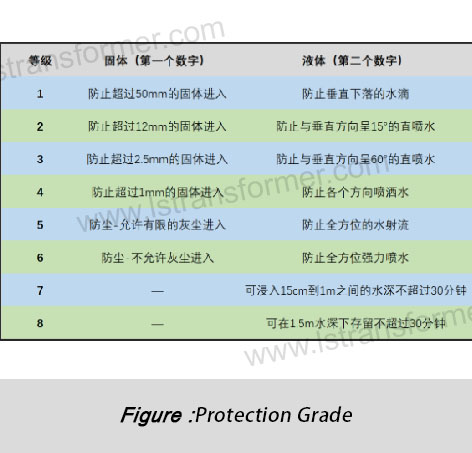
•Daserste Ziffer iGibt den Schutzgrad gegen feste Gegenstände an.
•Daszweite Ziffer Gibt den Schutzgrad gegen Flüssigkeiten (hauptsächlich Wasser) an.
Erste Ziffer (IP_X) |
Schutzgrad gegen Feststoffe |
Allgemeine Anwendungen |
0 |
Kein Schutz |
Offene Ausrüstung |
1 |
Objekte ≥ 50 mm |
Schützt vor großen Körperteilen wie Händen |
2 |
Objekte ≥ 12.5 mm |
Verhindert den Zugriff mit den Fingern |
3 |
Objekte ≥ 2.5 mm |
Stoppt Werkzeuge und dicke Drähte |
4 |
Objekte ≥ 1 mm |
Hält kleine Drähte und die meisten kleinen Werkzeuge auf |
5 |
Staubgeschützt (begrenztes Eindringen) |
Etwas Staub darf eindringen, darf aber den Betrieb nicht beeinträchtigen. |
6 |
Staubdicht |
Kein Eindringen von Staub; höchster Schutz vor festen Fremdkörpern |
Tabelle 1: IP-Codes mit der ersten Ziffer für den Schutz gegen feste Fremdkörper.
2. Arten. Arten von Fremdkörpern, die unter den „Schutz vor festen Fremdkörpern“ fallen.
● Körperteile und Sicherheit
Ein Hauptziel der IP-Schutzart für den Schutz vor festen Fremdkörpern ist die Verhinderung von Verletzungen von Personen:
•Große Gehäuseteile (IP1X): Schützt vor festen Fremdkörpern ≥ 50 mm – wie z. B. Händen oder Armen, die während der Installation versehentlich stromführende Teile im Inneren eines Transformators berühren.
•Fingerschutz (IP2X): Verhindert den Zugang durch Gegenstände ≥12.5 mm (ca. Fingergröße), wichtig für öffentlich zugängliche Bereiche.
•Werkzeugschutz (IP3X & IP4X): Schützt vor kleineren Gegenständen wie Schraubendrehern, Messspitzen und dünnen Drähten, die bei Einführen durch Wartungspersonal Kurzschlüsse verursachen könnten.
● Feste Partikel in der Umwelt
Neben der Sicherheit von Menschen umfasst der Fremdkörperschutz auch verschiedene Umweltpartikel:
•Große Partikel: Blätter, Insekten und Zweige können im Freien die Belüftung blockieren oder Kurzschlüsse verursachen; IP5X (staubgeschützt) hilft hier.
•Feinstaub und Sand: Diese Partikel treten häufig in Industrie- oder Wüstenumgebungen auf und können die Isolierung beeinträchtigen, Kontaktprobleme verursachen oder bewegliche Teile verschleißen. Die Schutzart IP6X (staubdicht) verhindert das Eindringen von Feinstaub.
•Metallspäne und leitfähiger Staub: Sie kommen in stark beanspruchten Industrieumgebungen vor und können Kurzschlüsse oder Teilentladungen verursachen. Gehäuse mit hoher Schutzart (IP-Schutzart) in Kombination mit internem Überdruck (z. B. Stickstofffüllung) bieten einen wirksamen Schutz vor dieser Gefahr.
● Tiere und Kleintiere
Das Eindringen von Tieren stellt ein weiteres großes Risiko für elektrische Geräte dar:
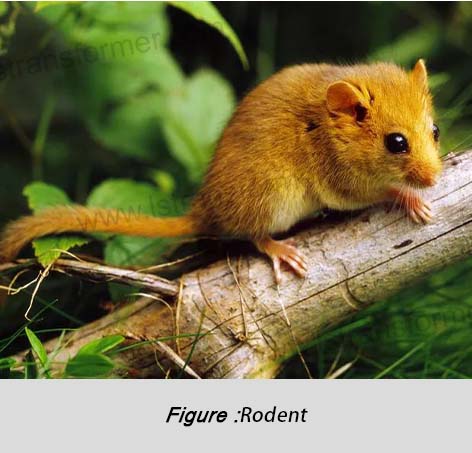
•Nagetiere (Ratten, Mäuse): Können Kabel und Isolierungen anknabbern. Gehäuse mit der Schutzart IP4X oder höher verhindern ihr Eindringen. Spezielle nagetierabweisende Materialien (z. B. mit Capsaicin versetzte Kunststoffe) bieten zusätzlichen Schutz.
•Vögel und Reptilien: Nistende Vögel oder Schlangen, die in die Geräte gelangen, können Kurzschlüsse verursachen und Feuchtigkeit eindringen lassen. IP5X mit Gitter und Dichtungen bietet guten Schutz.
•Insekten und Spinnen: Schon kleinste Insekten oder Spinnweben können Lüftungsschlitze verstopfen oder Verbindungen stören. Vollständig abgedichtete Gehäuse gemäß IP6X sind daher am besten geeignet, insbesondere in tropischen/feuchten Klimazonen.
3. Faktoren, die die Wahl der IP-Schutzart beeinflussen
Die Wahl der richtigen IP-Schutzart hängt von mehreren Faktoren ab:
● Installationsumgebung
Der Installationsort des Geräts ist von größter Bedeutung:
•Reine Innenräume (z. B. Serverräume) → Häufig IP3X / IP4X
•Allgemeiner Außenbereich → Mindestens IP54 (Regen und windverwehter Staub)
•Industrie-/Staubbereiche → Schutzart IP65 oder höher empfohlen
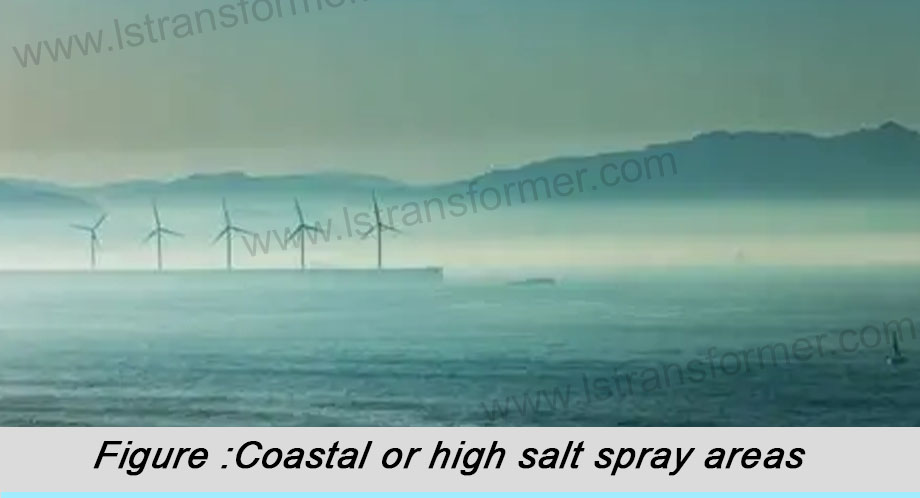
•Küstennahe/salzhaltige Umgebungen → Erfordern eine korrosionsbeständige Ausführung gemäß IP66.
● Gerätetyp und Spannungspegel
Unterschiedliche Transformatortypen haben unterschiedliche Anforderungen:
•Trockentransformatoren: Aufgrund des Fehlens von Isolieröl empfindlicher gegenüber Verunreinigungen → benötigen oft höhere IP-Schutzarten.
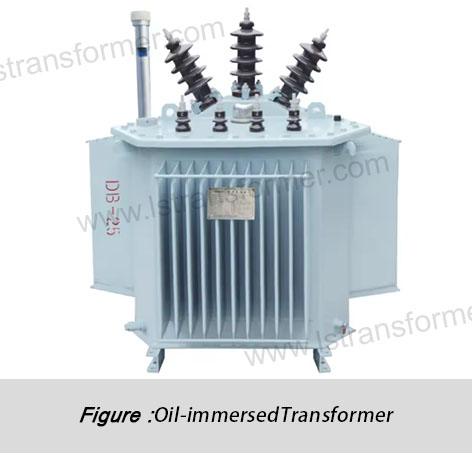
•Öltransformatoren: Öl bietet einen gewissen Schutz, aber die Abdichtung des Tanks erfordert dennoch entsprechende IP-Schutzarten.
•Reaktoren (insbesondere Luftkernreaktoren): Es bedarf eines ausgewogenen Verhältnisses zwischen Kühlung und Schutz.
Geräte mit höherer Spannung benötigen im Allgemeinen höhere IP-Schutzarten, da Fremdkörper zu schwerwiegenden Isolationsfehlern oder Lichtbogenbildung führen können.
● Ausgewogene Kühlung und Schutz
Eine bessere Abdichtung führt tendenziell zu einer geringeren Wärmeableitungseffizienz – ein Zielkonflikt, der durch Designlösungen angegangen wird:
•Bis zu IP5X: Belüftungskonzepte mit natürlicher Luftzirkulation möglich.
•IP6X und höher: Kühlrippen, Lüfter, Flüssigkeitskühlung usw. erforderlich.
•Spezielle Wärmemanagementtechnologien (Wärmerohre, Phasenwechselmaterialien) helfen dabei, einen hohen Schutz bei gleichzeitiger Wärmeregulierung zu gewährleisten.
Wärmeübertragungsformel:
Q = h×A× ΔT
woher
•Q = abgegebene Wärme (W)
•h = Wärmeübergangskoeffizient (W/m²)²·K)
•A = effektive Oberfläche (m²)²)
•ΔT = Temperaturdifferenz zwischen Gerät und Umgebung (K)
Eine Verbesserung der IP-Schutzart verringert typischerweise den Wert für h, daher kompensieren die Konstrukteure dies, indem sie die Oberfläche (A) vergrößern oder eine größere Betriebstemperatur (ΔT) zulassen.
4. Technische Maßnahmen zur Erreichung hoher IP-Schutzarten
● Dichtungsdesign
Eine gute Abdichtung ist grundlegend für einen hohen IP-Schutz:
•Statische Dichtungen: Gummidichtungen und Silikonstreifen füllen mikroskopisch kleine Spalten an den Verbindungsstellen.
•Dynamische Dichtungen: Bei beweglichen Teilen (Scharnieren, Knöpfen) verlängern Labyrinthdichtungen, Magnetdichtungen und Wellendichtungen die Eintrittswege oder nutzen magnetische Abstoßung.
•Kabeleinführungen abdichten: Verwenden Sie Kabelverschraubungen (z. B. PG-Gewindeverbinder) oder Vergussmassen. Doppelwandige Schrumpfschläuche verbessern die Zuverlässigkeit zusätzlich.
● Materialauswahl & Oberflächenbehandlung
Das Gehäusematerial beeinflusst Haltbarkeit und Schutz:
•Metallgehäuse: Edelstahl oder Aluminium mit Passivierungs-/Lackbeschichtungen widerstehen Korrosion.
•Technische Kunststoffe: z. B. glasfaserverstärktes Polyester, Polycarbonat – gute Dichtigkeit, Witterungsbeständigkeit, geringes Gewicht.
•Konforme Beschichtung: Feuchtigkeitsabweisende, pilzhemmende und salzsprühbeständige Beschichtungen schützen die internen Leiterplatten (Transformator-Leiterplattenschutz).
● Druckausgleichs- und Beatmungssysteme
Vollständig abgedichtete Gehäuse sind aufgrund von Temperaturänderungen Druckunterschieden ausgesetzt:
•Belüftungsöffnungen: Mit Trockenmittel gefüllte Ventile lassen Luft durch, halten aber Feuchtigkeit/Staub zurück – geeignet für IP55.
•Druckausgleichsmembranen: Expandierte PTFE-Membranen ermöglichen den Gasaustausch, halten aber Flüssigkeiten/Feststoffe zurück – verwendet in IP67/IP68.
•Druckbeaufschlagungssysteme: Im Inneren sollte ein leichter Überdruck (z. B. +50–100 Pa) aufrechterhalten werden, um Verunreinigungen fernzuhalten – üblich beigasisolierte Transformatoren.
5. Prüfung und Verifizierung von IP-Schutzarten
Die Hersteller führen standardisierte Tests durch, um die angegebenen IP-Schutzarten gemäß IEC 60529 zu überprüfen:
● Prüfungen zum Schutz vor festen Gegenständen
•IP1X – IP4X: Prüfspitzen (Gelenkprüffinger, Metalldraht usw.) mit bestimmten Durchmessern dürfen nicht mit gefährlichen Teilen in Berührung kommen.
•IP5X-Staubtest: Das Gerät wird 8 Stunden lang in einer Testkammer einem zirkulierenden Talkumpuder ausgesetzt; minimaler Staub im Inneren ist zulässig.
•IP6X-Staubdichtigkeitstest: Ähnlich wie IP5X, aber strenger – kein Eindringen von Staub erlaubt, überprüft durch Vakuum- oder Überdruckverfahren.
● Verwandte internationale Standards
Weitere relevante Normen sind:
•IEEE Std C57.12.00 (ölgekühlte Transformatoren)
•EN 60076-11 (Trockentransformatoren)
•NEMA 250 (Nordamerikanische Gehäusenormen)
IP-Schutzklasse |
Ungefähres NEMA-Äquivalent |
Typische Nutzungsumgebung |
IP20 |
NEMA 1 |
Allgemeine Verwendung im Innenbereich |
IP54 |
NEMA 3 |
Draußen, Regen und Staub |
IP65 |
NEMA 4 |
Staubdicht, strahlwasserbeständig |
IP67 |
NEMA 6 |
Vorübergehendes Eintauchen |
IP68 |
NEMA-6P |
Längeres Eintauchen |
Tabelle 2: Grobe Korrelation zwischen IP-Schutzarten und NEMA-Klassifizierungen.
Fazit & Empfehlungen
Der Begriff „Schutz gegen Fremdkörper“ innerhalb der IP-Schutzarten deckt ein breites Spektrum ab – von großen Körperteilen bis hin zu Mikrostaub – und ist in einem klaren, abgestuften System dargestellt.
Bei der AuswahlTransformatoren und DrosselnBerücksichtigen Sie Ihre Umgebung, den Gerätetyp, den Kühlbedarf und die Kosten. Wir empfehlen:
1. Vor der Auswahl einer IP-Schutzart sollten Sie die spezifischen Fremdkörperrisiken vor Ort beurteilen (siehe Richtlinien zur Standortbewertung von Transformatoren).
2. Vermeiden Sie eine Überbewertung der IP-Schutzarten auf Kosten der Kühlung und des Budgets.-Die Schutzarten IP55 bis IP65 eignen sich für die meisten Außenanwendungen.
3. Dichtungen und Entlüftungsöffnungen müssen regelmäßig überprüft und gewartet werden, damit die Schutzwirkung nicht nachlässt.
4. Für raue Umgebungsbedingungen (Chemieanlagen, Küstenregionen) kombinieren Sie den Standard-IP-Schutz mit Korrosionsschutz- oder Explosionsschutzeigenschaften.
Durch ein genaues technisches Verständnis der Bedeutung von „Fremdkörperschutz“ können Käufer und Betreiber von Energieanlagen intelligentere Entscheidungen treffen und so einen langfristig sicheren Betrieb sowie optimierte Lebenszykluskosten gewährleisten.
Kontaktieren Sie uns
LuShan, Europäische Sommerzeit.1975, ist ein chinesischer professioneller Hersteller, spezialisiert auf Leistungstransformatoren und Reaktoren für50+ Jahre. Führende Produkte sind Einphasentransformator, Dreiphasentransformator Isolierung Transformatoren, elektrischer Transformator, Verteiltransformator, Abwärts- und Aufwärtstransformator, Niederspannungstransformator, Hochspannungstransformator, Steuertransformator, Ringkerntransformator, R-Kern-Transformator;Gleichstrominduktoren, Wechselstromreaktoren, Filterreaktoren, Netz- und Lastreaktoren, Drosseln, Filterreaktoren und Zwischen- und Hochfrequenzprodukte.
Unsere Kraft Transformatoren und Reaktoren werden in zehn Anwendungsbereichen häufig eingesetzt: Schnellverkehr, Baumaschinen, erneuerbare Energien, intelligente Fertigung, medizinische Geräte, Explosionsschutz in Kohlebergwerken, Erregersysteme, Vakuumsintern (Öfen), zentrale Klimaanlagen.
Erfahren Sie mehr über Leistungstransformatoren und Reaktoren:www.lstransformer.com.
Wenn Sie maßgeschneiderte Lösungen für Transformatoren oder Drosseln wünschen, kontaktieren Sie uns bitte.
WhatsApp:+86 13787095096
Email:
[E-Mail geschützt]