
 EN
EN
 FR
FR DE
DE ES
ES
Wie beeinflusst die Materialauswahl für Reaktorabdeckungen die Stoßfestigkeit?
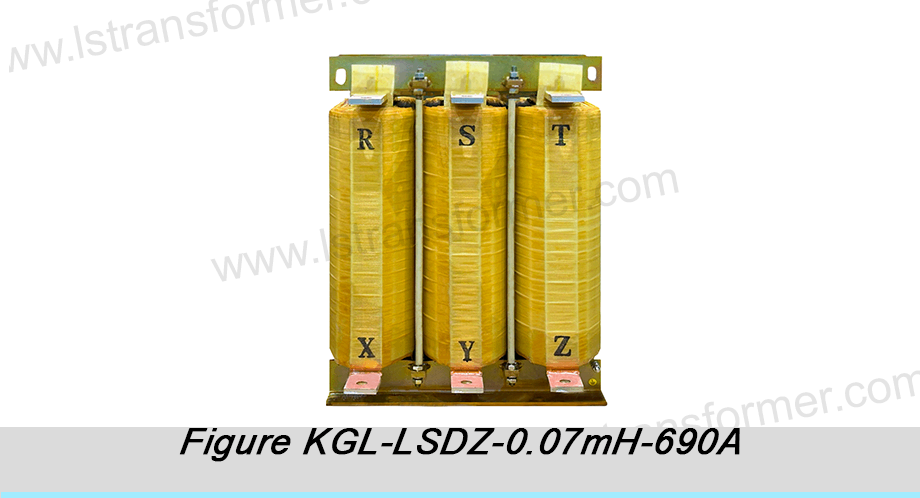
In Energiesystemen und industriellen Anwendungen dienen Reaktoren als wichtige Blindleistungskompensationsanlagen, deren sicherer und stabiler Betrieb für das gesamte Stromnetz unerlässlich ist. Die Reaktorschutzhülle bildet die erste Verteidigungslinie für die Anlage. Die Materialwahl beeinflusst direkt die Schutzleistung, die Lebensdauer und die Betriebseffizienz. Angesichts der weltweit steigenden Sicherheitsstandards für elektrische Anlagen (wie z. B. …)IEC 60076, IEEE C57.21Angesichts zunehmend strengerer Umweltauflagen (wie RoHS und REACH) ist die Wahl des richtigen Materials für Reaktorabdeckungen zu einem zentralen Anliegen für Hersteller und Anwender geworden. Dieser Artikel untersucht, wie sich unterschiedliche Materialeigenschaften auf die Schutzleistung auswirken, um Ihnen fundierte Entscheidungen zu ermöglichen.
Inhalt
1. Wie die elektrische Leitfähigkeit die elektromagnetische Abschirmung beeinflusst
Reaktoren erzeugen im Betrieb starke elektromagnetische Felder. Eine effektive elektromagnetische Abschirmung ist daher eine der Hauptfunktionen einer Schutzabdeckung. Die elektrische Leitfähigkeit des Materials bestimmt direkt die Schirmdämpfung (SE), die üblicherweise in Dezibel (dB) gemessen wird.
Leitungsmechanismus und Abschirmungsprinzip:
Wenn elektromagnetische Wellen auf leitfähige Materialien treffen, treten drei Hauptphänomene auf: Reflexion, Absorption und Mehrfachreflexion. Hochleitfähige Materialien (wie Kupfer und Aluminium) reflektieren elektromagnetische Wellen hauptsächlich. Dies geschieht, weil freie Elektronen unter dem Einfluss des elektromagnetischen Wechselfelds induzierte Ströme bilden, die ein Magnetfeld erzeugen, das der einfallenden Welle entgegengesetzt ist und diese somit teilweise auslöscht. Je höher die elektrische Leitfähigkeit (σ) des Materials ist, desto ausgeprägter ist dieser Effekt.
Vergleich gängiger Materialien:
Material |
Leitfähigkeit (MS/m) |
Typische Schirmdämpfung (dB) |
Kostenindex |
Kupfer |
58.5 |
100-120 |
Hoch |
Aluminium |
37.7 |
80-100 |
Medium |
Verzinkter Stahl |
10.4 |
60-80 |
Niedrig |
Leitfähiger Kunststoff |
0.1-10 |
40-70 |
Medium-High |
Tiefenanalyse:
Obwohl Aluminium eine geringere Leitfähigkeit als Kupfer aufweist, bietet seine niedrigere Dichte (2.7 g/cm³ gegenüber 8.96 g/cm³ bei Kupfer) eine bessere Schirmdämpfung pro Gewichtseinheit. Dies macht es vorteilhafter für Anwendungen, die leichte Lösungen erfordern, wie beispielsweise mobile Umspannwerke. Verzinkter Stahl bietet durch die Zinkschicht zusätzlichen Korrosionsschutz und eignet sich daher besonders für Umgebungen mit hoher Luftfeuchtigkeit. Neu entwickelte leitfähige Kunststoffe (z. B. kohlenstofffaserverstärktes Polypropylen) können in bestimmten Frequenzbändern (typischerweise >1 MHz) eine ausreichende Schirmung gewährleisten und bieten gleichzeitig eine ausgezeichnete chemische Korrosionsbeständigkeit.
Internationaler Standardreferenz:
IEC 62153-4-3 legt Prüfverfahren für die elektromagnetische Schirmdämpfung metallischer Kabel und Verbindungselemente fest. Diese Verfahren eignen sich auch zur Bewertung der Schirmdämpfung von Reaktorgehäusematerialien. Der Prüffrequenzbereich umfasst üblicherweise das Betriebsfrequenzband des Reaktors (50/60 Hz bis mehrere kHz).
2. Zusammenhang zwischen mechanischer Festigkeit und Umweltbeständigkeit
Reaktorabdeckungen müssen verschiedenen mechanischen Belastungen und Umwelteinflüssen standhalten. Die mechanischen Eigenschaften (wie z. B. Streckgrenze, Elastizitätsmodul) und Beständigkeit gegenüber Umwelteinflüssen (Korrosionsbeständigkeit, UV-Beständigkeit usw.).Die Gesamtheit der Materialeigenschaften bestimmt die Langzeitstabilität der Abdeckung.
Mechanische Spannungsanalyse:
Vibrationen während des Reaktorbetriebs und enorme elektromagnetische Kräfte bei Kurzschlüssen(berechnet durch F = 0.5 × L × I², wobei L die Induktivität und I der Strom ist) üben zyklische Spannungen auf die Abdeckung aus. Die Dauerfestigkeit (σ_f)Die Festigkeit des Materials muss höher sein als diese wechselnden Spannungsamplituden. Beispielsweise beträgt die Dauerfestigkeit der Aluminiumlegierung 5052 etwa 110 MPa, während Edelstahl 304 bis zu 240 MPa erreichen kann, obwohl letzterer etwa 40 % teurer ist.
Berücksichtigung von Umweltfaktoren:
Hohe Salzkonzentrationen in Küstenregionen beschleunigen die elektrochemische Korrosion der meisten Metalle. Gemäß ISO 9223-Norm, Stufe C5 (sehr hohe Korrosivität)In bestimmten Umgebungen sind Abdeckungsmaterialien mit speziellen Korrosionsschutzbehandlungen erforderlich. In solchen Fällen wird eine Aluminium-Magnesium-Legierung verwendet (z.B. 5083) mit anodischer Oxidation oder glasfaserverstärktem Kunststoff (GFK (Glasfaserverstärkter Kunststoff)) könnten bessere Alternativen sein. Die Salzsprühbeständigkeit von GFK beruht auf seiner nichtmetallischen Matrix und den Dichtungseigenschaften des Harzes, jedoch muss die Langzeit-UV-Alterung beachtet werden.
Temperatureinfluss:
Reaktortemperaturanstieg (typischerweise bis zu 150 K gemäß IEC 60076-6 zulässig) beschleunigt den Materialabbau. Die Festigkeit metallischer Werkstoffe nimmt mit steigender Temperatur ab, was sich mithilfe der folgenden empirischen Formel abschätzen lässt:
σ_T = σ_0 × (1 - α(T - T_0))
Hierbei ist σ_T die Festigkeit bei der Temperatur T, σ_0 die Festigkeit bei Raumtemperatur und α eine Materialkonstante (ungefähr 3×10⁻³/°C für Aluminiumlegierungen).
Innovative Lösungen:
Kürzlich entwickelte Metall-Verbund-Hybridstrukturen (wie z.B. Aluminium-Wabenkern-SandwichplattenSie vereinen hohe Festigkeit (die spezifische Steifigkeit kann bis zu dreimal so hoch sein wie die von Stahl) mit geringem Gewicht und eignen sich daher besonders für Großreaktoren, bei denen das Gewicht eine wichtige Rolle spielt. Ihr Kernprinzip besteht darin, Lasten durch die Konstruktion in ebene Spannungen umzuwandeln und so das Festigkeitspotenzial des Deckschichtmaterials voll auszuschöpfen.
3. Einfluss der thermischen Eigenschaften auf die Wärmeableitungseffizienz
ca.1-3 %Ein Drittel der dem Reaktor zugeführten Energie wird in Wärme umgewandelt.Die Wärmeleitfähigkeit (λ) und der Emissionsgrad (ε) des Deckmaterials beeinflussen die Wärmeableitungseffizienz direkt.was wiederum den Temperaturanstieg und die Lebensdauer der Geräte beeinflusst.
Wärmeleitungsanalyse:
Im stationären Zustand lässt sich die Wärmestromdichte q durch die Abdeckung wie folgt ausdrücken:
q = λ × (T_innen - T_außen) / d
Hierbei bezeichnet d die Materialstärke. Die Wärmeleitfähigkeit von Aluminium (237 W/m·K) ist deutlich höher als die von Edelstahl (15 W/m·K), was bedeutet, dass eine Aluminiumabdeckung bei gleicher Temperaturdifferenz mehr Wärme leiten kann. Strahlung und Konvektion müssen jedoch bei der praktischen Auslegung ebenfalls berücksichtigt werden.
Oberflächenbehandlungstechniken:
Durch Anodisieren lässt sich der Emissionsgrad von Aluminium von 0.05 (polierte Oberfläche) auf über 0.8 erhöhen, wodurch die Wärmeabfuhr durch Strahlung deutlich verbessert wird. Experimentelle Daten zeigen, dass eine hartanodisierte Aluminiumabdeckung die Temperatur des Hotspots im Reaktor um 15–20 °C senken kann. Auch die Wahl der Oberflächenfarbe ist entscheidend: Gemäß dem Stefan-Boltzmann-Gesetz kann eine schwarze Oberfläche eine um über 30 % höhere Wärmeabfuhrkapazität durch Strahlung aufweisen als eine helle Oberfläche.
Innovative Wärmeableitungsdesigns:
Moderne Hochleistungsreaktoren beginnen, fortschrittliche Kühllösungen wie die folgenden einzusetzen:
•Integrierte Wärmerohre:Durch die Nutzung von Phasenwechsel-Wärmeübertragungsprinzipien wird eine Wärmeleitfähigkeit erreicht, die bis zu 50 Mal höher ist als die von reinem Kupfer.
•Graphenbeschichtung:Verbessert die lokale Wärmeleitfähigkeit bei gleichzeitiger Aufrechterhaltung der elektrischen Isolation.
•Biomimetische Flossenstruktur:Vergrößert die effektive Wärmeableitungsfläche, ohne das Volumen wesentlich zu erhöhen.
Internationale Normen für thermisches Design:
IEEE C57.96 enthält Richtlinien zur Bewertung der thermischen Leistung von Reaktoren und empfiehlt, dass der Temperaturanstieg der Außenfläche des Deckels die Umgebungstemperatur um nicht mehr als 30 K (natürliche Kühlung) bzw. 15 K (Zwangsluftkühlung) überschreiten sollte. Die Materialauswahl muss sicherstellen, dass diese Anforderung auch unter ungünstigsten Bedingungen erfüllt wird.
4. Zusammenhang zwischen Isolationsleistung und Sicherheitsschutz
Die Schutzabdeckung schützt den Reaktor nicht nur vor äußeren Einflüssen, sondern verhindert auch Stromschlag- und Lichtbogengefahren für das Personal. Dies erfordert, dass das Material über ausreichende Isolationseigenschaften verfügt.
Eigenschaften des Isoliermaterials:
Der spezifische Volumenwiderstand (ρ_v) und die Durchschlagsfestigkeit (E_b) sind wichtige Parameter zur Messung der Isolationsleistung. Typische Werte im Vergleich:
Polycarbonat: ρ_v = 10¹⁶ Ω·cm, E_b = 15-30 kV/mm
Epoxidharz: ρ_v = 10¹⁴-10¹⁶ Ω·cm, E_b = 15-35 kV/mm kV/mm
Keramische Beschichtung: ρ_v > 10¹⁴ Ω·cm, E_b = 20-40 kV/mm
Strategie für Verbundisolierung:
Hochspannungsreaktoren (>35 kV) verwenden häufig eine mehrlagige Isolationskonstruktion:
1.Leitfähige Innenschicht:Gewährleistet elektromagnetische Abschirmung.
2.Dielektrische Mittelschicht:Typischerweise XLPE oder Silikonkautschuk, wobei die Dicke gemäß der Norm IEC 60664-1 berechnet wird.
3.Wetterbeständige Außenschicht:Zum Beispiel Polyurethan, das mechanischen Schutz und UV-Beständigkeit bietet.
Lichtbogenschutz:
Bei einem internen Überschlag muss die Abdeckung den kurzzeitig auftretenden hohen Temperaturen standhalten.(bis 10,000°C)Die Lichtbogenbeständigkeit eines Materials kann wie folgt gemessen werden:
•Vergleichbarer Tracking-Index (CTI): Geprüft nach IEC 60112-Standard.
•Lichtbogenbeständigkeit (AI): Geprüft nach ASTM D495.
Durch die Zugabe von flammhemmenden Füllstoffen wie Aluminiumhydroxid kann der AI-Wert von Kunststoffen von 120 Sekunden auf über 600 Sekunden erhöht werden.
Fazit und Empfehlungen
Die Auswahl des Materials für eine Reaktorschutzabdeckung erfordert eine umfassende Berücksichtigung von Faktoren wie elektromagnetischer Abschirmung, mechanischer Festigkeit, Wärmeableitung und Isolationssicherheit. Die optimale Wahl variiert je nach Anwendungsfall.
•FürStandardumgebungenDie anodische Oxidation der Aluminiumlegierung 5052 bietet ein ausgezeichnetes Preis-Leistungs-Verhältnis.
•Stark korrosive Umgebungeneignen sich besser für Faserverbundwerkstoffe oder Superduplex-Edelstahl.
•HochfrequenzanwendungenDie Breitband-Abschirmfähigkeit von Kupfer-Nickel-Legierungen oder leitfähigen Verbundwerkstoffen muss genauer betrachtet werden.
•Forextreme TemperaturbedingungenEs werden Nickelbasislegierungen oder Keramikmatrix-Verbundwerkstoffe empfohlen.
Technologische Fortschritte werden die Leistungsfähigkeit und Nachhaltigkeit von Schutzhüllen durch neue Materialien wie intelligente, selbstheilende Beschichtungen, Nanokomposite und umweltfreundliche, biobasierte Harze weiter verbessern. Bei der Auswahl sollten internationale Normen wie IEC und IEEE berücksichtigt und durch Praxistests unter realen Betriebsbedingungen ergänzt werden, um langfristige Zuverlässigkeit und Wirtschaftlichkeit zu gewährleisten.

Kontakt
LuShan , gegründet 1975 , ist ein chinesischer Hersteller von Leistungstransformatoren und Drosselspulen mit über 50 Jahren Erfahrung. Zu den Hauptprodukten zählen Einphasentransformatoren, Dreiphasen- Trenntransformatoren , elektrische Transformatoren , Verteiltransformatoren, Abwärts- und Aufwärtstransformatoren, Niederspannungstransformatoren, Hochspannungstransformatoren, Steuertransformatoren, Ringkerntransformatoren, R-Kern-Transformatoren; Gleichstrominduktivitäten, Wechselstromdrosseln, Filterdrosseln, Netz- und Lastdrosseln, Drosseln sowie Produkte für mittlere und hohe Frequenzen.
Unsere Leistungstransformatoren und Drosselspulen werden in zehn Anwendungsbereichen breit eingesetzt: Schnellverkehr, Baumaschinen, erneuerbare Energien, intelligente Fertigung, Medizintechnik, Explosionsschutz in Kohlebergwerken, Erregersysteme, Vakuumsintern (Ofen), zentrale Klimaanlagen.
Erfahren Sie mehr über Leistungstransformatoren und Drosselspulen: www.lstransformer.com.
Wenn Sie maßgeschneiderte Lösungen für Transformatoren oder Drosseln wünschen, kontaktieren Sie uns bitte.
WhatsApp:+8613787095096
Email:
[E-Mail geschützt]