






Calculation of Single-phase and Three-phase Transformer Capacity
Calculation of Single-phase and Three-phase Transformer Capacity
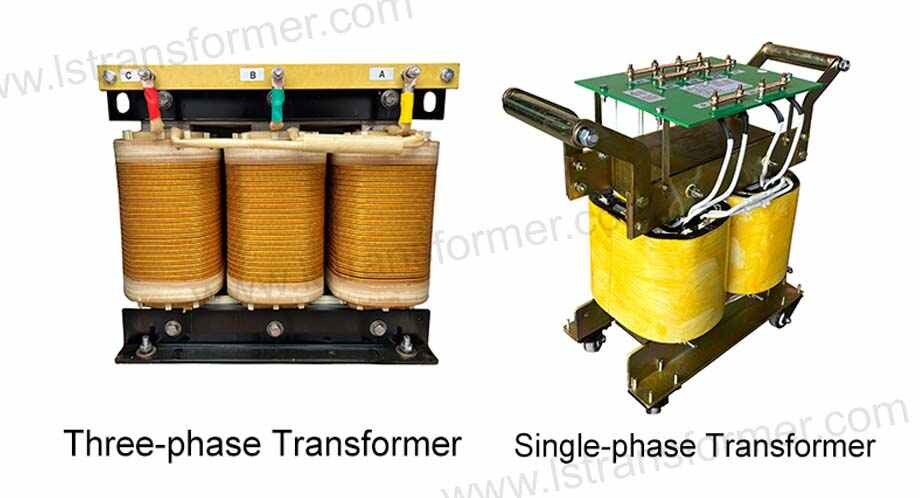
Transformers are essential electrical devices that are used to transfer electrical energy from one circuit to another. They are classified into two types: single-phase transformer and three-phase transformer. The calculation of their capacity is crucial in determining their suitability for various applications.
(1) For a single-phase transformer, the capacity is calculated using the following formula:
Capacity (kVA) = (Voltage x Current) / 1000
Where voltage is the primary or secondary voltage, and current is the primary or secondary current.
(2) For a three-phase transformer, the capacity is calculated using the following formula:
Capacity (kVA) = (Voltage x Current x √3) / 1000
Where voltage is the line voltage, and current is the line current.
In a three-phase system, the line voltage is the voltage between any two phases, and the line current is the current flowing through any one of the phases. The square root of 3 is used in the formula to account for the fact that the voltage and current are not in phase with each other. It is essential to note that the capacity of a transformer is limited by its cooling system. If the transformer exceeds its capacity, it may overheat, which can cause damage to the transformer and other electrical equipment connected to it.
Zusammenfassung
The capacity of a single-phase transformer is calculated using the primary or secondary voltage and current, while the capacity of a three-phase transformer is calculated using the line voltage and current. It is crucial to ensure that the transformer’s capacity does not exceed its cooling system’s capacity to prevent damage to the transformer and other connected electrical equipment.
Kontakt
がV_peak積の過電圧のピークとt_resに共鳴。 30%マージン推奨を占めるシステムパラメータ化します。
2.2.3の動的応答ソリューション 現代のシステム利用サイリスタ制御による抵抗減衰(TCRD)を検知する共鳴内10ms、配の正確性、切断中の通常の操作は避けます。.
3. 連携機構のアクティブフィルタ
WhatsApp:+86 13787095096
E-Mail: marketing@hnlsdz.com