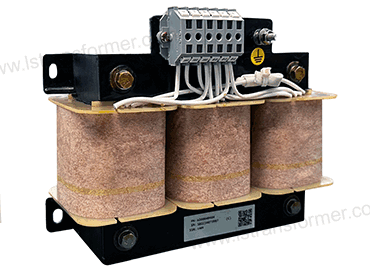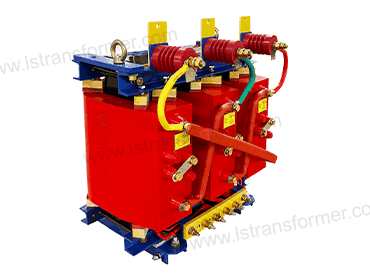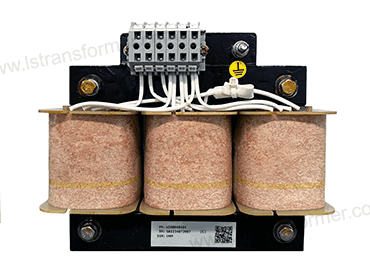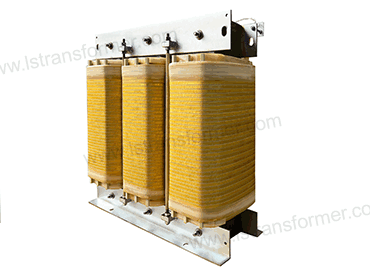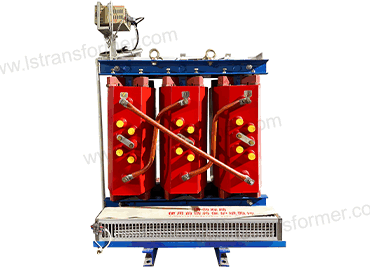
Isolierung Design von Vakuum-Epoxidharz-Guss-Transformatoren

Home > FAQ > Seite 26
FAQ

Isolierung Design von Vakuum-Epoxidharz-Guss-Transformatoren

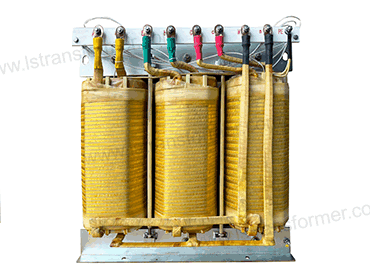
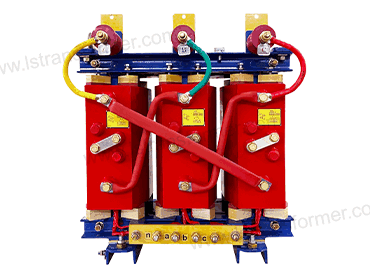
Vacuum epoxy cast transformers are widely used in power systems due to their excellent electrical insulation and mechanical strength. Insulation design is a crucial factor for the performance and reliability of these transformers. The insulation system of a vacuum epoxy cast transformer includes solid insulation and liquid insulation. Solid insulation includes insulating materials such as
FAQ

Was ist die Struktur und die Funktionen von Transformator?

What is the Structure and Functions of transformer? The fundamental structure of a transformer comprises a core, winding, and insulation components. In order to ensure the safe and reliable operation of the transformer, it is also equipped with components such as an oil tank, voltage-regulating device, cooling system, and protective devices. The following is a detailed explanation

FAQ

Was ist der Zweck und die Bedeutung der Teilentladungs-Prüfung

What’s the Purpose and Significance of Partial Discharge Testing Partial discharge refers to the phenomenon of discharge that occurs between electrodes but does not penetrate them. It is caused by weaknesses in the insulation of electrical equipment or defects in the manufacturing process, leading to repeated breakdowns and extinguishing under high electric field intensity. This discharge

FAQ

Tests Erforderlich für Vakuum-Epoxidharz-Guss-Transformatoren

Vacuum epoxy resin cast transformers are widely used due to their various advantages, including low noise, low partial discharge, high reliability, and long service life. To ensure the safe and stable operation of these transformers, several tests need to be conducted before putting them into operation. (1) Insulation resistance test: This test is performed to

FAQ

Was sind die Spannungspegel der übertragung und Umwandlung von Linien in China? Wie können wir unterscheiden zwischen step-up und step-down-Wandler?

What are the voltage levels of transmission and transformation lines in China? How can we distinguish between step-up and step-down transformers? In China, the voltage levels of transmission and transformation lines include the following values (kV): 0.38, 3, 6, 10, 15 (20), 35, 60, 110, 220, 330, 500. The voltage at the beginning (power source

FAQ

Wie sind Transformatoren Klassifiziert durch die Isolierung und Kühlung Medium?

How are Power Transformers Classified by Insulation and Cooling Medium? Power transformers can be classified based on the insulation and cooling media of the winding, mainly including liquid-immersed, gas, and dry-type transformers. 1. Liquid-Immersed Transformers: Liquid-immersed transformers use insulating liquid to immerse the winding and the insulation outside the winding. This liquid serves as both the

FAQ

Was sind die Fehler Klassifikationen von Transformatoren?

What are the fault classifications of transformers? Faults in oil-immersed power transformers are generally divided into two main categories: internal faults and external faults. Internal faults primarily occur within the transformer’s oil tank, including phase-to-phase short circuits between winding groups, turn-to-turn short circuits between winding turns, and grounding faults caused by winding or lead wires

FAQ

Performance-Parameter und Deren Auswirkung auf die Kosten

Performance Parameters and Their Impact on Cost 1. Short-Circuit Impedance The short-circuit impedance affects the voltage regulation and reactive power losses of transformers. A higher short-circuit impedance improves voltage regulation but results in a larger short-circuit current magnitude, influencing the power grid and system. For shell-type transformers, the presence of the winding’s ampere-turns allows some

FAQ

Power Transformator Klassifizierung nach Struktur

Power transformers can be classified into two types based on their structure: core-type transformers and shell-type transformers. 1. Core-Type Transformers: The winding of a core-type power transformer is cylindrical, and the cross-section of the core column is approximately cylindrical. The high-voltage and low-voltage windings are concentrically arranged, and the body (core and winding) is vertically

WhatsApp QR WeChat QR sales@hnlsdz.com
Scroll to Top