





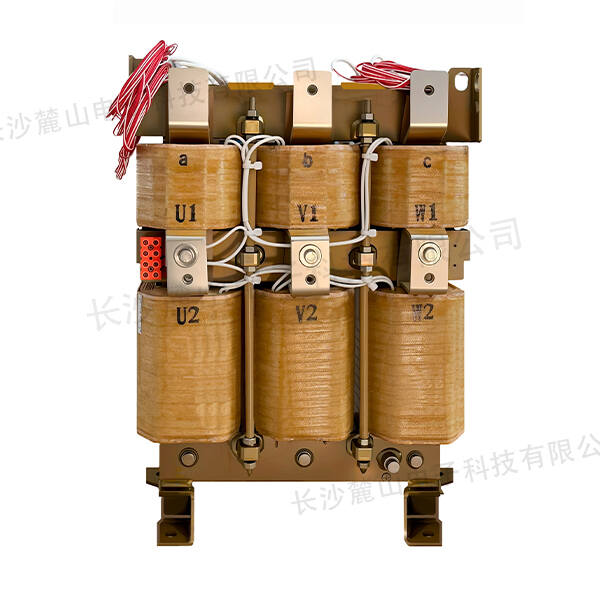
How to Suppress Reactor Resonance Overvoltage? – Collaborative Design of Damping Resistors and Filters
How to Suppress Reactor Resonance Overvoltage? – Collaborative Design of Damping Resistors and Filters In power system operation, the LC resonance circuit formed by reactors and distributed capacitance can generate dangerous overvoltage phenomena. According to measured data from IEEE Std. C57.21-2021, the peak resonance overvoltage can reach 2-3 times the...
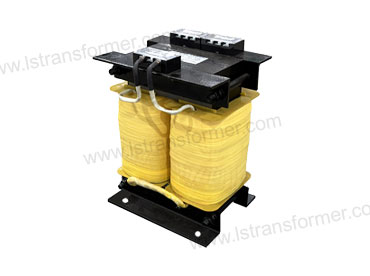
Which is More Reliable: Laser Welding, Soldering, or Cold Crimping? —A Comparison of Winding Wire Joining Processes
Which is More Reliable: Laser Welding, Soldering, or Cold Crimping? —A Comparison of Winding Wire Joining Processes In the manufacturing of transformers and reactors, the choice of joining process directly impacts device efficiency, lifespan, and failure rates. Laser welding, soldering, and cold crimping exhibit significant differences in conductivity, mechanical strength,...
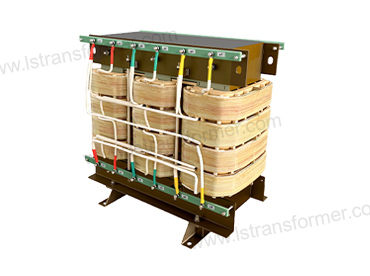
How to Prevent Interference Between Lead Wires in Multi-Winding Transformers? —An In-Depth Analysis Based on International Standards
How to Prevent Interference Between Lead Wires in Multi-Winding Transformers? —An In-Depth Analysis Based on International Standards In power systems, industrial drives, and renewable energy applications, multi-winding transformers are indispensable due to their efficient energy distribution and voltage transformation capabilities. However, as the number of windings increases, electromagnetic interference (EMI)...
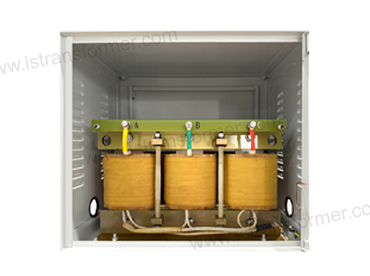
Can Recycled Copper Wire Be Used in Transformers? —Comprehensive Analysis and Professional Recommendations
Can Recycled Copper Wire Be Used in Transformers? —Comprehensive Analysis and Professional Recommendations With the increasing global awareness of environmental protection, the use of recycled materials in various industries has become more widespread. For transformer manufacturers and users, the question of whether recycled copper wire can be used in transformers...
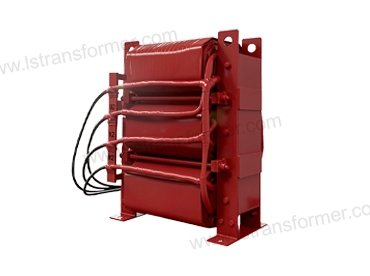
How to Optimize Transformer Structure Design to Reduce Temperature Rise? —Key Technology Analysis
How to Optimize Transformer Structure Design to Reduce Temperature Rise? —Key Technology Analysis In power transmission and distribution systems, transformers are core equipment whose operating temperature directly impacts reliability, energy efficiency, and lifespan. Research data from the International Energy Agency (IEA) shows that for every 10K reduction in transformer temperature...
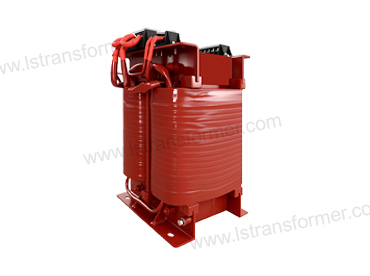
Can Excessive Temperature Rise Melt Transformer Insulation Materials? — A Complete Guide to Temperature Rise Parameters
Can Excessive Temperature Rise Melt Transformer Insulation Materials? — A Complete Guide to Temperature Rise Parameters As a critical parameter in transformer operation, temperature rise directly impacts the safe operation and service life of the equipment. This article provides a comprehensive analysis of the core concepts, influencing factors, international standards,...
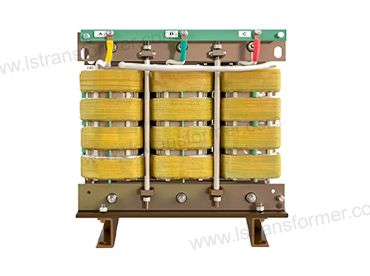
What Are the Differences Between Cotton Covered Wire, Silk Covered Wire, Film Insulated Wire, and Enameled Wire?
What Are the Differences Between Cotton Covered Wire, Silk Covered Wire, Film Insulated Wire, and Enameled Wire? In the manufacturing of electrical equipment such as transformers, reactors, and motors, the insulation treatment of winding wires is a critical factor determining product performance and reliability. Cotton covered wire, silk covered wire,...
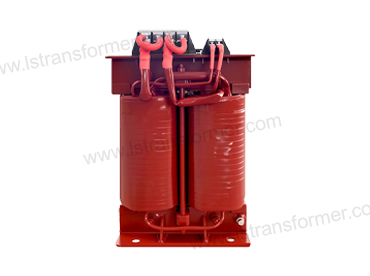
Copper vs. Aluminum Windings in Transformers: Balancing Cost, Efficiency, and Lifespan
Copper vs. Aluminum Windings in Transformers: Balancing Cost, Efficiency, and Lifespan In the manufacturing of transformers and reactors, the choice of winding conductor material is a critical decision that directly impacts performance, cost, and long-term reliability. Copper (Cu) and aluminum (Al) are the two most commonly used conductor materials, each...
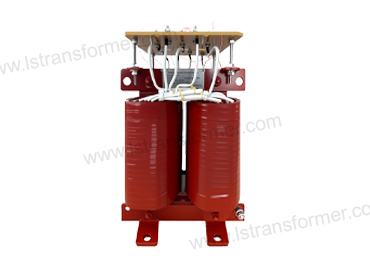
Is Litz Wire Mandatory for High-Frequency Transformers? —An In-Depth Analysis of the Critical Role of Litz Wire in High-Frequency Applications
Is Litz Wire Mandatory for High-Frequency Transformers? —An In-Depth Analysis of the Critical Role of Litz Wire in High-Frequency Applications In the global electronic components market, high-frequency transformers, as core components for power conversion and signal transmission, have always been a focus for engineers and procurement specialists. With the widespread...
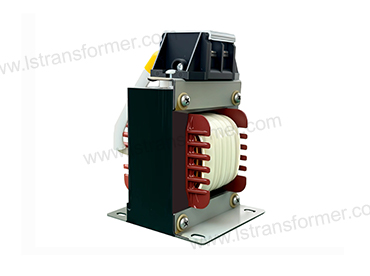
Does the Shortened Lifespan of Reactors in High-Temperature Environments? —Dual Optimization Strategy: Materials and Heat Dissipation
Does the Shortened Lifespan of Reactors in High-Temperature Environments? —Dual Optimization Strategy: Materials and Heat Dissipation Against the backdrop of global energy transition and accelerated industrial intelligence, reactors, as critical components of power systems, have seen their reliability and lifespan become a growing focus for equipment manufacturers, grid operators, and...
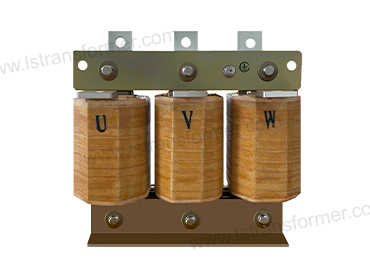
Why Might the Temperature Rise Distribution in Reactors Be Non-Uniform?
Why Might the Temperature Rise Distribution in Reactors Be Non-Uniform? In power systems, reactors play an indispensable role in current limiting, filtering, and reactive power compensation. However, engineers and maintenance personnel often observe significant temperature differences at different locations within the same reactor. This non-uniform temperature rise not only affects...
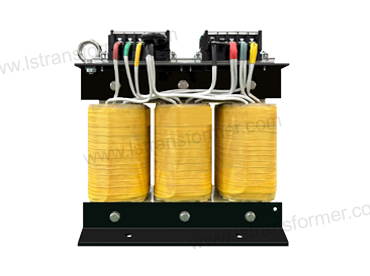
How to Address Excessive Temperature Rise? —A Triple Approach: Radiator Selection, Airflow Optimization, and Hotspot Suppression
How to Address Excessive Temperature Rise? —A Triple Approach: Radiator Selection, Airflow Optimization, and Hotspot Suppression Excessive temperature rise in transformers is a critical issue faced by many power engineers. High temperatures not only accelerate the aging of insulation materials, significantly shortening equipment lifespan, but can also lead to catastrophic...