





Transformateur de Bourdonnement: Quel Niveau de Décibels est Considéré comme Normal? – Les Normes internationales et l'Analyse En Profondeur

La maison > Auteur : 369703005 > Page 42
FAQ

Transformateur de Bourdonnement: Quel Niveau de Décibels est Considéré comme Normal? – Les Normes internationales et l'Analyse En Profondeur

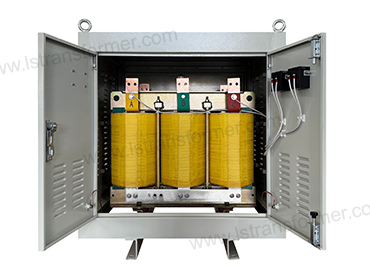
It is normal for transformers to produce a humming sound during operation. However, the loudness of this noise directly impacts equipment health assessment and the surrounding environment. As a core component of power systems, transformer noise levels are not only a focus for maintenance personnel but also a crucial indicator of comfort for nearby residents […]
FAQ

Comment Peut-Réacteurs Éviter la Condensation dans les Environnements Humides à Travers les indices de Protection?

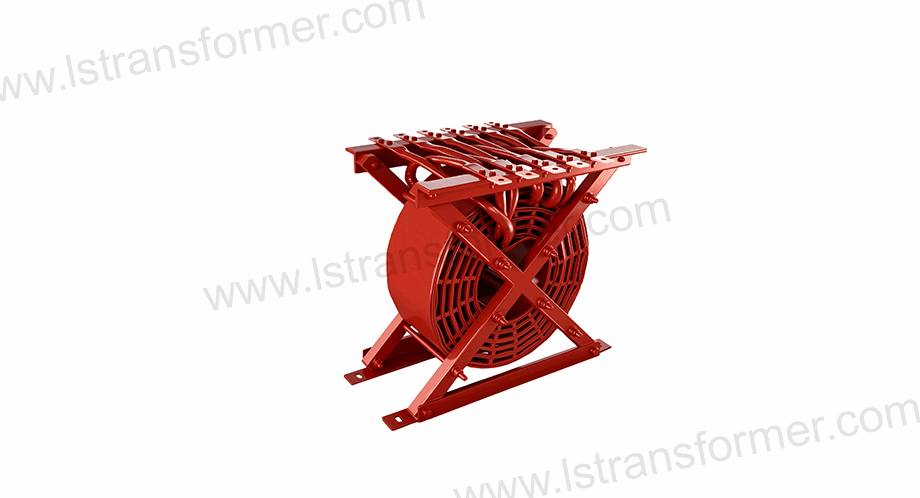
Dans les systèmes d'alimentation et les applications industrielles, les réacteurs sont essentiels pour la compensation de puissance réactive et de limitation de courant, ce qui rend leur fiabilité et la stabilité indispensables. Cependant, dans un environnement humide ou variable, des climats, de la condensation peut se former à l'intérieur des réacteurs, la réduction des performances d'isolation performances d'isolation et pouvant causer des courts-circuits ou des dommages à l'équipement. Cet article explore la façon dont une bonne indice de Protection (IP) de notation

FAQ

How Do Corrosive Chemical Gases Affect Transformer Lifespan?

In industrial settings, transformers are continuously exposed to various environmental factors. Among these, corrosive chemical gases have a particularly significant impact on transformer lifespan. According to research data from the International Electrotechnical Commission (IEC) and the International Council on Large Electric Systems (CIGRE), transformers operating in chemical industrial parks have an average lifespan that is

FAQ

What Special Environmental Factors Should Be Considered for Reactors in Marine Applications?

The ship power system is a core component of modern vessels, and reactors, as indispensable elements within these systems, face unique challenges in marine applications. Compared to land-based environments, the operational setting of a ship is much harsher. Special factors such as salt spray corrosion, continuous vibration, and space constraints must be considered. This article

FAQ

What Are the Environmental Requirements for Transformers in Urban Underground Substations?

With the acceleration of urbanization and increasingly scarce land resources, underground substations have become a vital component of modern urban power infrastructure. As the core equipment of substations, transformers face numerous special challenges when installed and operating in underground environments. This article explores in detail the key environmental requirements for transformer installation in urban underground

FAQ

How to Balance High Protection Levels with Transformer Maintenance Accessibility? ——A Practical Guide for Engineers Worldwide

At the heart of electrical power systems, transformers stand as silent giants. When located along storm-battered coastlines or within dust-filled industrial zones, a robust “suit of armor” – a high IP protection rating – is fundamental to their survival. However, does this very armor become an insurmountable barrier for maintenance personnel? This is the critical

FAQ

How to Choose Transformer Enclosures for Coastal Salt Spray Environments?

Operating transformers in coastal areas face unique challenges, with salt spray corrosion being one of the most significant threats. According to International Electrotechnical Commission (IEC) standards, coastal areas are defined as regions within 10 kilometers of the coastline, where salt spray concentration can be 5–10 times higher than inland. Selecting a suitable transformer enclosure for

FAQ

How to Ensure Reactors Operate Normally in Low-Temperature Environments (-40°C)?

With the global development of industrial technology and the increasing demand for electricity under extreme climate conditions, the reliable operation of reactors in low-temperature environments has become a critical issue in the power industry. In regions such as the Arctic, high-altitude areas, or severely cold winter zones, temperatures can drop to -40°C or even lower,

FAQ

How to Determine Transformer Insulation Performance Through Temperature Rise Test? – Key Guidelines Explained

In global power grid infrastructure, the stable operation of transformers is fundamental to electrical safety. The Temperature Rise Test serves as a core evaluation method directly impacting transformer insulation system reliability and service life. This article details the principles of the test, key execution points, and how it reveals insights into insulation performance. Content 1.

FAQ

How to Prevent Interference When Strong Magnetic Fields Exist Around Transformers?

As a core component of power systems, transformers generate strong magnetic fields during operation, which can potentially interfere with nearby electronic equipment, communication systems, and even human health. This article provides a detailed analysis of the principles behind transformer magnetic field interference and offers practical solutions to help effectively reduce or eliminate these interference issues.

WhatsApp QR WeChat QR IVL 0.013mH-610A
Faire défiler vers le Haut