





トランスを呈ノイズ:盛のレベルは通常の? –国際基準の分析

ホーム > 投稿者: 369703005 > ページ 42
FAQ

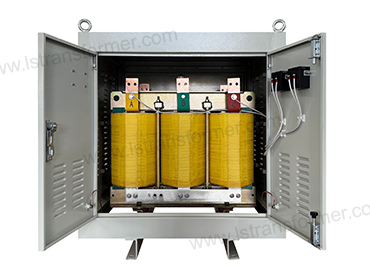
トランスを呈ノイズ:盛のレベルは通常の? –国際基準の分析

It is normal for transformers to produce a humming sound during operation. However, the loudness of this noise directly impacts equipment health assessment and the surrounding environment. As a core component of power systems, transformer noise levels are not only a focus for maintenance personnel but also a crucial indicator of comfort for nearby residents or workers. This article provides a comprehensive and professional guide by exploring the sources of transformer noise, international standards, normal decibel ranges, how to identify abnormal noises, and potential solutions. 1. Where Does Transformer Noise Come From? Transformer noise primarily originates from magnetostriction and electromagnetic forces. When alternating current flows through the transformer windings, the
FAQ

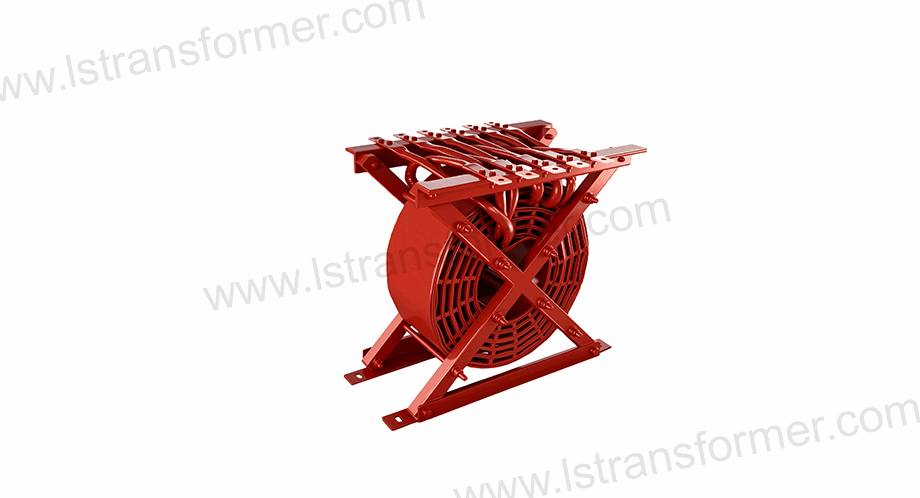
どのように原子炉を避ける凝縮、湿気の多い環境を保護格付?

In power systems and industrial applications, reactors are crucial for reactive power compensation and current limiting, making their reliability and stability essential. However, in humid or variable climates, condensation can form inside reactors, reducing insulation performance insulation performance and potentially causing short circuits or equipment damage. This article explores how proper Ingress Protection (IP) rating design and supporting measures can effectively prevent condensation in reactors operating in humid conditions. It also introduces internationally recognized protection standards and practical methods to help users select and maintain suitable reactor products for damp environments. Content 1. Understanding Condensation and Its Risks to Reactors Condensation occurs when water vapor in the air contacts a

FAQ

How Do Corrosive Chemical Gases Affect Transformer Lifespan?

In industrial settings, transformers are continuously exposed to various environmental factors. Among these, corrosive chemical gases have a particularly significant impact on transformer lifespan. According to research data from the International Electrotechnical Commission (IEC) and the International Council on Large Electric Systems (CIGRE), transformers operating in chemical industrial parks have an average lifespan that is 30%–50% shorter than those in standard environments. This article provides an in-depth analysis of how corrosive gases affect transformer performance, discusses the effectiveness of protective measures, and offers maintenance recommendations based on international standards. These insights help users extend equipment service life and reduce maintenance costs. Content 1. Mechanisms of Corrosive Gas Impact on Transformer

FAQ

What Special Environmental Factors Should Be Considered for Reactors in Marine Applications?

The ship power system is a core component of modern vessels, and reactors, as indispensable elements within these systems, face unique challenges in marine applications. Compared to land-based environments, the operational setting of a ship is much harsher. Special factors such as salt spray corrosion, continuous vibration, and space constraints must be considered. This article will delve into the environmental factors that require special attention for reactors used in marine applications. It analyzes how these factors affect reactor performance and provides corresponding solutions. By understanding these key factors, ship designers and electrical engineers can select more suitable reactor products, ensuring the reliability and safety of the vessel’s power system while

FAQ

What Are the Environmental Requirements for Transformers in Urban Underground Substations?

With the acceleration of urbanization and increasingly scarce land resources, underground substations have become a vital component of modern urban power infrastructure. As the core equipment of substations, transformers face numerous special challenges when installed and operating in underground environments. This article explores in detail the key environmental requirements for transformer installation in urban underground substations, aiding power planners, engineers, and maintenance personnel in better understanding these specialized technical specifications. Content 1. Temperature and Ventilation Control Requirements The most significant environmental characteristic of an underground substation is its enclosed nature, which poses severe challenges for transformer heat dissipation. Unlike above-ground substations, the underground environment lacks natural convection, allowing heat to

FAQ

How to Balance High Protection Levels with Transformer Maintenance Accessibility? ——A Practical Guide for Engineers Worldwide

At the heart of electrical power systems, transformers stand as silent giants. When located along storm-battered coastlines or within dust-filled industrial zones, a robust “suit of armor” – a high IP protection rating – is fundamental to their survival. However, does this very armor become an insurmountable barrier for maintenance personnel? This is the critical challenge faced by engineers globally: how can we achieve both high transformer IP ratings and easy maintenance accessibility? This article delves into strategies for finding this balance, covering core needs such as electrical enclosure corrosion prevention. Content 1. Understanding IP Ratings: The Scientific Definition Scientific Definition of Transformer Enclosure Robustness The Ingress Protection code is

FAQ

How to Choose Transformer Enclosures for Coastal Salt Spray Environments?

Operating transformers in coastal areas face unique challenges, with salt spray corrosion being one of the most significant threats. According to International Electrotechnical Commission (IEC) standards, coastal areas are defined as regions within 10 kilometers of the coastline, where salt spray concentration can be 5–10 times higher than inland. Selecting a suitable transformer enclosure for coastal salt spray environments is not only critical to the equipment’s service life but also directly affects the safety and stability of the power system. This article provides a detailed analysis of the corrosion mechanisms affecting transformers in salty atmospheres and offers scientific and practical enclosure selection guidelines to support informed decision-making. Content 1. Corrosion

FAQ

How to Ensure Reactors Operate Normally in Low-Temperature Environments (-40°C)?

With the global development of industrial technology and the increasing demand for electricity under extreme climate conditions, the reliable operation of reactors in low-temperature environments has become a critical issue in the power industry. In regions such as the Arctic, high-altitude areas, or severely cold winter zones, temperatures can drop to -40°C or even lower, posing significant challenges to the material properties, mechanical structure, and electrical characteristics of reactors. International standards organizations such as the International Electrotechnical Commission (IEC) and IEEE have established specific standards for the operation of power equipment in extreme temperature environments, including IEC 60076-11 and IEEE C57.91. These standards provide essential guidance for the design, testing,

FAQ

How to Determine Transformer Insulation Performance Through Temperature Rise Test? – Key Guidelines Explained

In global power grid infrastructure, the stable operation of transformers is fundamental to electrical safety. The Temperature Rise Test serves as a core evaluation method directly impacting transformer insulation system reliability and service life. This article details the principles of the test, key execution points, and how it reveals insights into insulation performance. Content 1. Core Principles and Purpose of the Temperature Rise Test Thermal Degradation of Insulation Materials is one of the primary causes of transformer failure. High temperatures accelerate the chemical decomposition process of insulating materials (such as insulating oil and cellulose solid insulation in oil-paper composite systems), leading to a sharp decline in their electrical and mechanical strength,

FAQ

How to Prevent Interference When Strong Magnetic Fields Exist Around Transformers?

As a core component of power systems, transformers generate strong magnetic fields during operation, which can potentially interfere with nearby electronic equipment, communication systems, and even human health. This article provides a detailed analysis of the principles behind transformer magnetic field interference and offers practical solutions to help effectively reduce or eliminate these interference issues. Content 1. Principles and Effects of Transformer Magnetic Field Interference When a transformer operates, it creates a changing magnetic field in the surrounding space due to the principle of electromagnetic induction. According to Maxwell’s equations, a changing current produces a changing magnetic field, and this changing magnetic field, in turn, induces an electromotive force. This

WhatsAppにQR WeChat QR sales@hnlsdz.com
スクロールトップ