Que Faire Lorsque le chef de la Longueur de Fil Est Insuffisante Pendant Sur Site Transformateur de l'Installation?

FAQ

Que Faire Lorsque le chef de la Longueur de Fil Est Insuffisante Pendant Sur Site Transformateur de l'Installation?

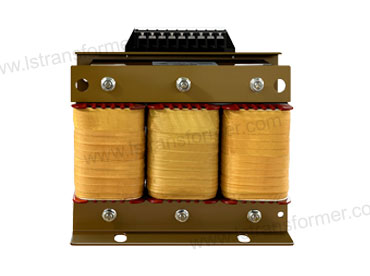
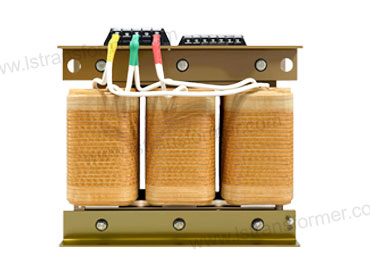
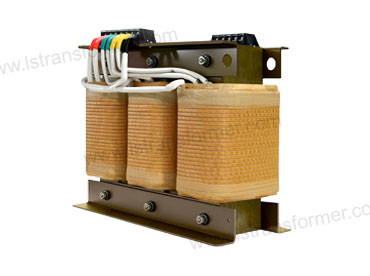
What to Do When the Lead Wire Length Is Insufficient During On-Site Transformer Installation? On-site transformer installation is a complex and meticulous task, and insufficient length of high-voltage bushing lead wires is a common challenge engineers face. This issue not only delays project timelines but may also lead to increased contact resistance, localized overheating, and
FAQ

La façon de Traiter avec la Surface de Suivi sur la Bague? —Les Considérations clés pour l'Application d'un Revêtement de Silicone RTV

How to Deal with Surface Tracking on Bushing? —Key Considerations for RTV Silicone Coating Application Surface tracking on reactor bushings is a critical cause of power equipment failures. According to the IEEE 1584-2018 standard, 35% of insulation failure cases are directly attributed to tracking phenomena. This article systematically explains solutions for handling surface tracking and

FAQ

Exigences particulières pour l'Enroulement de Conducteurs en Alliage Amorphe Transformers: l'Analyse Technique et des Normes Internationales du Guide

Special Requirements for Winding Conductors in Amorphous Alloy Transformers: Technical Analysis and International Standards Guide As a revolutionary material in the transformer industry, amorphous alloy is renowned for its extremely low core loss, reducing no-load energy consumption by 60%-80%. However, its unique operational characteristics also impose higher demands on winding conductors. This article delves into

FAQ

Comment faire pour Déterminer le Seuil de Sécurité pour la Densité de Courant dans les Bobinages de Transformateur?

How to Determine the Safe Threshold for Current Density in Transformer Windings? Transformers are indispensable core components in power systems, and the safe threshold for current density in their windings directly impacts the equipment’s reliability, efficiency, and lifespan. This article provides a detailed analysis of the key factors influencing current density in transformer windings, international

FAQ

Pourquoi les Fils conducteurs de l'Onduleur PHOTOVOLTAÏQUE Transformateurs Être Résistant aux UV? —Une Analyse En Profondeur de la Critique des Exigences de la Protection de

Why Should the Lead Wires of PV Inverter Transformers Be UV-Resistant? —An In-Depth Analysis of Critical Protection Requirements In the heart of photovoltaic (PV) power generation systems, the inverter transformer acts as a silent “energy translator,” efficiently converting the direct current (DC) produced by solar panels into grid-compatible alternating current (AC). The long-term stable operation

FAQ

Fil Aluminium Revêtu de cuivre dans Transformers:Peut-Il Remplacer le Cuivre Pur? Quelles Sont les Précautions à prendre pour des Applications Spécifiques?

Copper-Clad Aluminum Wire in Transformers:Can It Replace Pure Copper? What Are the Cautions for Specific Applications? Driven by the dual goals of global energy efficiency improvement and cost optimization, the transformer manufacturing industry is actively exploring new material applications. Copper-clad aluminum (CCA) wire, a composite material that combines cost advantages with conductive performance, has garnered

FAQ

Comment Détecter l'Enroulement du Transformateur Hotspots à l'Avance en Utilisant l'Infrarouge Thermique? —Clé de la Technologie Insights à partir de la Puissance Mondiale des Experts

How to Detect Transformer Winding Hotspots in Advance Using Infrared Thermal Imaging? —Key Technology Insights from Global Power Experts In transformer lifecycle management, excessive winding hotspot temperatures are a primary cause of accelerated insulation degradation and eventual failure. Global power grid statistics reveal that over 35% of unplanned transformer outages are directly linked to winding

FAQ

L'Élévation de température Limites de Transformateurs à Sec vs Huile-Immergé Transformers: principales Différences

Temperature Rise Limits of Dry-Type Transformers vs. Oil-Immersed Transformers: Key Differences In power systems, transformers are the core equipment for energy conversion and distribution, and their performance and reliability directly impact the safety of the grid. During operation, transformers generate heat, making temperature rise a critical performance indicator. Due to differences in cooling methods, dry-type

FAQ

L'Éolien Offshore Transformateur Fils de Plomb: étamé ou Argenté —ce Qui Est Mieux?

Offshore Wind Transformer Lead Wires: Tin-Plated or Silver-Plated —Which Is Better? Amid the roaring winds of the open ocean, offshore wind farms are becoming a cornerstone of the global green energy landscape. However, to efficiently and reliably transport massive amounts of clean electricity over tens or even hundreds of kilometers back to land, the material

FAQ

Comment faire pour Restaurer Imbibé d'Isolation dans les Transformateurs dans des Environnements Humides? —Comparaison Approfondie Entre l'Huile Chaude, la Circulation et les Processus de Séchage sous Vide

How to Restore Dampened Insulation in Transformers in Humid Environments? —In-Depth Comparison Between Hot Oil Circulation and Vacuum Drying Processes Humid environments are a major enemy of transformer insulation systems. When moisture penetrates insulating paperboard and insulating oil, it significantly reduces their electrical strength and mechanical performance, leading to partial discharge or even insulation breakdown

WhatsApp QR WeChat QR IVL 0.013mH-610A
Faire défiler vers le Haut