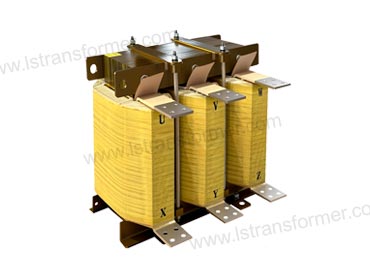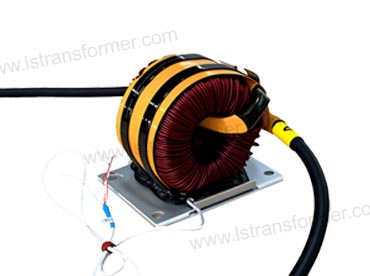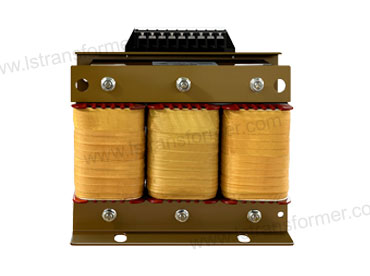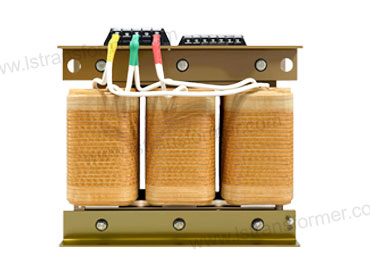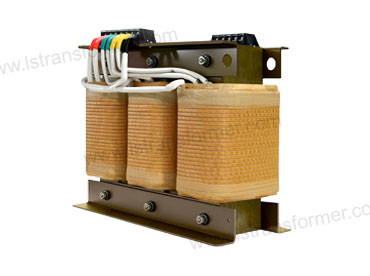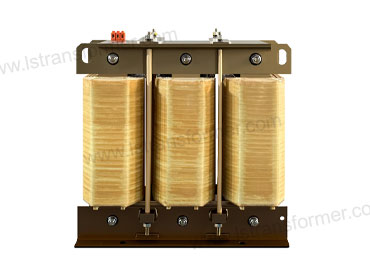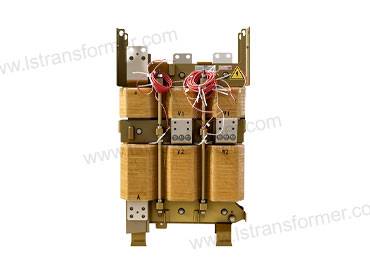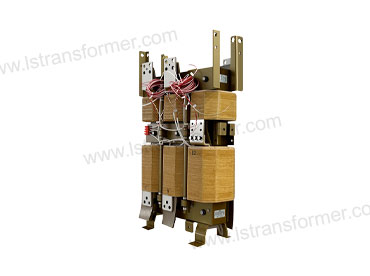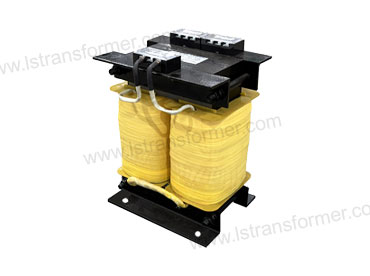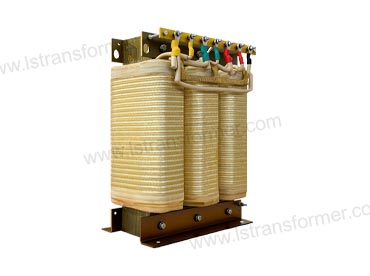
Was Tun, Wenn die Blei Draht Länge Ist Unzureichend Während des vor-Ort-Transformator Installation?

Home > FAQ > Seite 39
FAQ

Wie zu Deal mit der Oberfläche Tracking auf Buchse? —Wichtige Überlegungen für RTV-Silikon-Beschichtung Anwendung

How to Deal with Surface Tracking on Bushing? —Key Considerations for RTV Silicone Coating Application Surface tracking on reactor bushings is a critical cause of power equipment failures. According to the IEEE 1584-2018 standard, 35% of insulation failure cases are directly attributed to tracking phenomena. This article systematically explains solutions for handling surface tracking and

FAQ

Besondere Anforderungen für das aufziehen der Leiter in die Amorphe Legierung Transformatoren: die Technische Analyse und den Internationalen Standards Guide

Special Requirements for Winding Conductors in Amorphous Alloy Transformers: Technical Analysis and International Standards Guide As a revolutionary material in the transformer industry, amorphous alloy is renowned for its extremely low core loss, reducing no-load energy consumption by 60%-80%. However, its unique operational characteristics also impose higher demands on winding conductors. This article delves into

FAQ

Wie Bestimmen Sie die Sichere Schwelle für die Stromdichte in Transformator-Wicklungen?

How to Determine the Safe Threshold for Current Density in Transformer Windings? Transformers are indispensable core components in power systems, and the safe threshold for current density in their windings directly impacts the equipment’s reliability, efficiency, and lifespan. This article provides a detailed analysis of the key factors influencing current density in transformer windings, international

FAQ

Warum Sollten die Anschlussdrähte der PV-Wechselrichter Transformatoren UV-Beständig? —Eine In-Depth-Analyse von Kritischen Schutz-Anforderungen

Why Should the Lead Wires of PV Inverter Transformers Be UV-Resistant? —An In-Depth Analysis of Critical Protection Requirements In the heart of photovoltaic (PV) power generation systems, the inverter transformer acts as a silent “energy translator,” efficiently converting the direct current (DC) produced by solar panels into grid-compatible alternating current (AC). The long-term stable operation

FAQ

Kupfer beschichteten Aluminium-Draht in Transformers:Kann Es Ersetzen Reinem Kupfer? Was Sind die Vorsichtsmaßnahmen für Spezifische Anwendungen?

Copper-Clad Aluminum Wire in Transformers:Can It Replace Pure Copper? What Are the Cautions for Specific Applications? Driven by the dual goals of global energy efficiency improvement and cost optimization, the transformer manufacturing industry is actively exploring new material applications. Copper-clad aluminum (CCA) wire, a composite material that combines cost advantages with conductive performance, has garnered

FAQ

Wie zu Erkennen Transformator Wicklung Hotspots im Voraus Mit Infrarot-Thermografie? —Key-Technologie, Insights from Global Power Experten

How to Detect Transformer Winding Hotspots in Advance Using Infrared Thermal Imaging? —Key Technology Insights from Global Power Experts In transformer lifecycle management, excessive winding hotspot temperatures are a primary cause of accelerated insulation degradation and eventual failure. Global power grid statistics reveal that over 35% of unplanned transformer outages are directly linked to winding

FAQ

Temperaturanstieg Grenzen des Trocken-Typ Transformatoren vs. Oil-Immersed Transformers: die Wichtigsten Unterschiede

Temperature Rise Limits of Dry-Type Transformers vs. Oil-Immersed Transformers: Key Differences In power systems, transformers are the core equipment for energy conversion and distribution, and their performance and reliability directly impact the safety of the grid. During operation, transformers generate heat, making temperature rise a critical performance indicator. Due to differences in cooling methods, dry-type

FAQ

Offshore-Wind-Transformator Drähte: verzinnt oder Versilbert —Was Ist Besser?

Offshore Wind Transformer Lead Wires: Tin-Plated or Silver-Plated —Which Is Better? Amid the roaring winds of the open ocean, offshore wind farms are becoming a cornerstone of the global green energy landscape. However, to efficiently and reliably transport massive amounts of clean electricity over tens or even hundreds of kilometers back to land, the material

FAQ

How to Restore Gedämpft Isolierung bei Transformatoren, die in Feuchten Umgebungen? —In-Depth-Vergleich Zwischen Heißer Öl Zirkulation und Vakuum-Trocknungsverfahren

How to Restore Dampened Insulation in Transformers in Humid Environments? —In-Depth Comparison Between Hot Oil Circulation and Vacuum Drying Processes Humid environments are a major enemy of transformer insulation systems. When moisture penetrates insulating paperboard and insulating oil, it significantly reduces their electrical strength and mechanical performance, leading to partial discharge or even insulation breakdown

WhatsApp QR WeChat QR sales@hnlsdz.com
Scroll to Top