






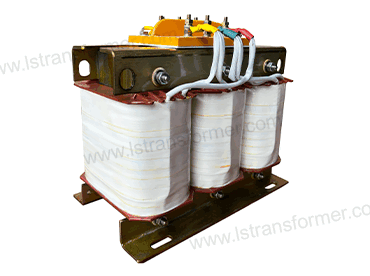
Definition, Applications, Advantages, and Disadvantages of Split-core Transformers
Definition, Applications, Advantages, and Disadvantages of Split-core Transformers Split-core transformers, also known as split-core current transformers (CTs), are a type of transformer that consists of two separate parts that can be opened and closed for installation around a conductor. These transformers are commonly used in power monitoring and control applications...
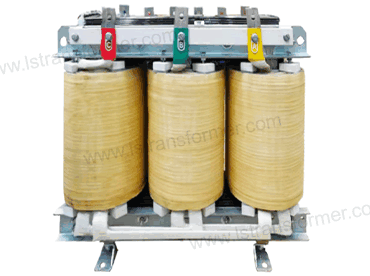
What should be considered when lifting the transformer oil tank?
What should be considered when lifting the transformer oil tank? For transformers with flat covers, when conducting maintenance on the body, it is essential to use lifting equipment with a capacity greater than the weight of the body to hoist it for inspection. To facilitate user maintenance without large lifting...
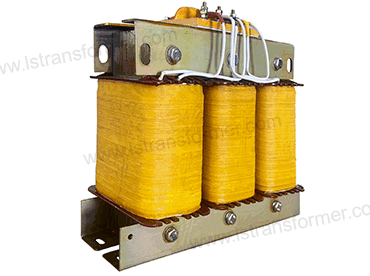
Identifying Copper, Aluminum, and Copper-Clad Aluminum Transformers
Identifying Copper, Aluminum, and Copper-Clad Aluminum Transformers Transformers can be made with different materials for their windings, including copper, aluminum, and copper-clad aluminum. Identifying which material is used in a transformer can be important for various reasons, such as determining the appropriate repair or replacement strategy. One way to identify...
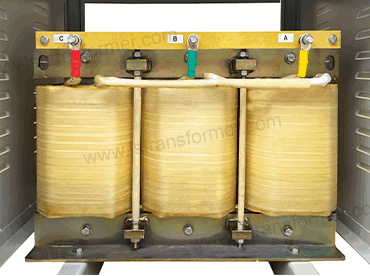
How does coastal environment affect the operation of transformers?
How does coastal environment affect the operation of transformers? In coastal areas, the air contains salt spray, which impacts the creepage of bushings and leads to metal corrosion. To express the required leakage ratio for bushings, an equivalent salt density can be used, and the corresponding values are listed in...
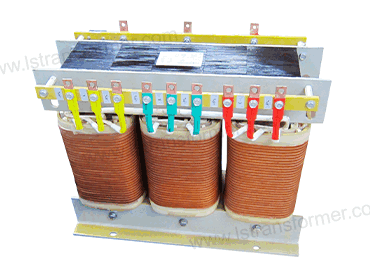
Understanding the Overload Range of Transformers (60 minutes at 1.2 times overload)
Transformers are essential electrical devices used to step up or step down voltage in power systems. They are designed to operate within specific limits, including their rated capacity and overload capacity. Overloading a transformer beyond its rated capacity can cause overheating, insulation damage, and failure of the device. However, transformers...
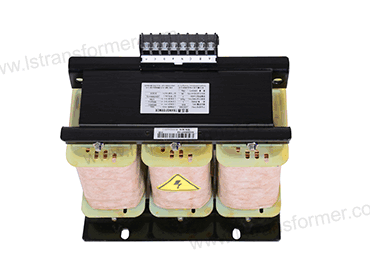
How does environmental pollution affect the operation of transformers?
How does environmental pollution affect the operation of transformers? Pollution can impact the surface discharge strength and surface paint of bushings, and it's possible to choose bushings with a certain leakage ratio based on different pollution levels. According to national standards, there are several leakage ratios available for selection: Level...
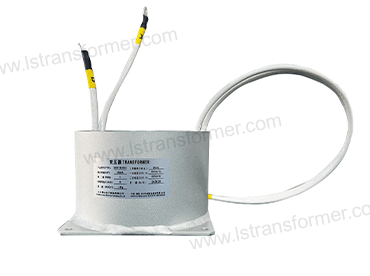
Power Factor and Conversion Formula between VA and W
Power Factor and Conversion Formula between VA and W When we talk about electrical power, we often use the terms VA and W. VA stands for Volt-Ampere, which is the unit of apparent power, and W stands for Watt, which is the unit of real power. Apparent power and real...
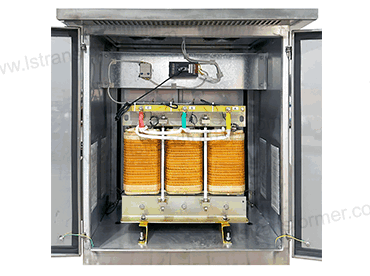
Structure and Applications of Rectifier Transformers
Structure and Applications of Rectifier Transformers Rectifier transformers are a type of transformer that is specifically designed to work in conjunction with diodes to convert AC power to DC power. The structure of a rectifier transformer is different from a conventional transformer, as it requires a special design to handle...
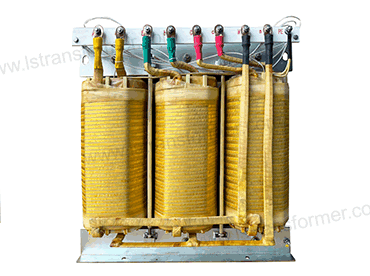
Rectifier Transformer 12-pulse, 24-pulse, and Definition of Pulse
Rectifier Transformer 12-pulse, 24-pulse, and Definition of Pulse Rectifier transformers are used to convert alternating current (AC) to direct current (DC) in various applications, such as industrial power supplies, traction systems, and electrochemical processes. The process of rectification involves changing the direction of current flow in the circuit, and transformers...
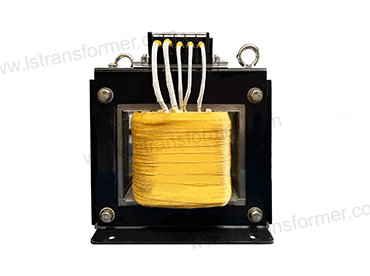
The Use of Voltage Ratio in Single-Phase
The Use of Voltage Ratio in Single-Phase TransformersSingle-phase transformers are commonly used in many electrical applications to either step up or step down the voltage of the power supply. The voltage ratio of a transformer refers to the ratio of the input voltage to the output voltage. This ratio is...
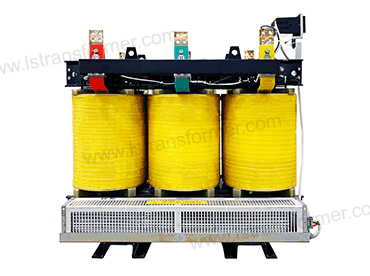
The Use and Comparison of Foil Winding and Wire Winding
The Use and Comparison of Foil Winding and Wire Winding Foil winding and wire winding are two commonly used methods in transformer winding. Foil winding is mainly used in transformers above 200A, while wire winding is used in transformers below 200A. The two methods have their advantages and disadvantages. Foil...
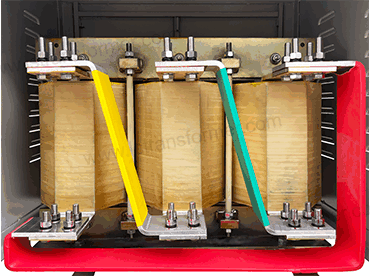
The Difference Between Neutral Wire and Ground Wire
The Difference Between Neutral Wire and Ground Wire In an electrical system, neutral and ground wires play essential roles in ensuring safety and preventing electrical hazards. While the two terms are often used interchangeably, they serve different functions. A neutral wire is a type of wire that carries current back...

