






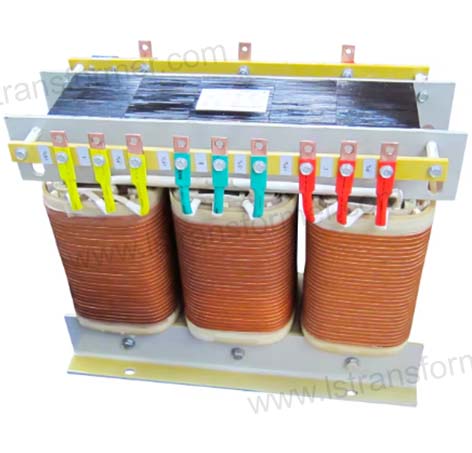
Comparison of Autotransformer and Isolation Transformer in Terms of Capacity Calculation Based on Voltage Ratio
Comparison of Autotransformer and Isolation Transformer in Terms of Capacity Calculation Based on Voltage Ratio The capacity of a transformer is an essential parameter that determines its suitability for various applications. Autotransformers and isolation transformers can be compared based on their capacity calculation using the voltage ratio. (1) In an...
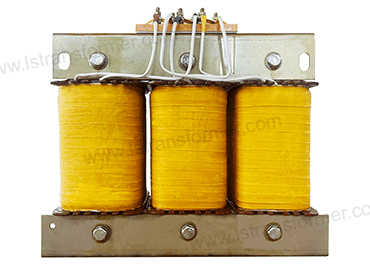
The Difference Between Phase Voltage and Line Voltage
The Difference Between Phase Voltage and Line Voltage In an AC electrical system, voltage is an important factor to consider when designing and implementing electrical equipment. Two commonly used voltage measurements in AC systems are phase voltage and line voltage. Although they may seem similar, there are significant differences between...
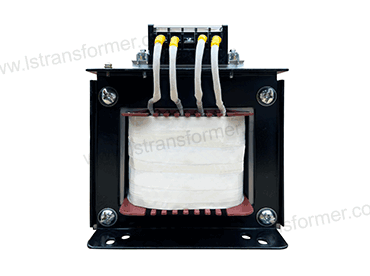
How to Choose the Capacity of a Transformer?
How to Choose the Capacity of a Transformer? Transformers are essential components in the power distribution system, and their capacity determines the amount of electrical power they can handle. Selecting the right transformer capacity is critical for ensuring efficient and reliable operation of the electrical system. The capacity of a...
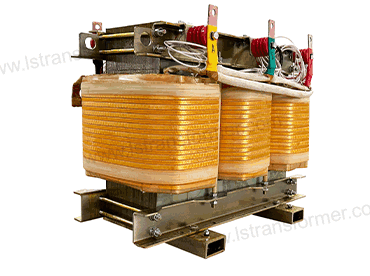
What is the difference between foil winding and wire winding in transformers?
What is the difference between foil winding and wire winding in transformers? Foil winding refers to the winding made by winding aluminum foil or copper foil, and one turn is one layer. Foil winding is suitable for low voltage, high current transformer.Wire winding means winding with one or more wires...
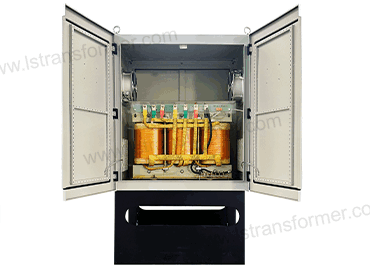
What to Do When a Transformer Gets Moisture?
What to Do When a Transformer Gets Moisture? Transformers are important electrical devices that are used to transfer electrical energy from one circuit to another through electromagnetic induction. However, like any other electrical device, transformers are susceptible to damage from various factors, including moisture. When a transformer gets moisture, it...
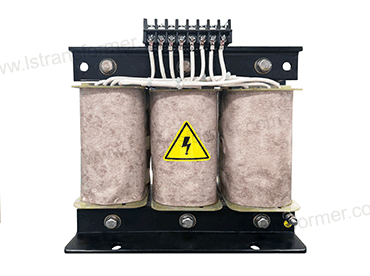
What is the differences between Shell-Type and Core-Type Transformers
What is the differences between Shell-Type and Core-Type Transformers Transformers are essential devices in the transmission and distribution of electrical power. They are used to step up or step down voltage levels as required in various applications. The two most common types of transformers are the shell-type and core-type transformers....
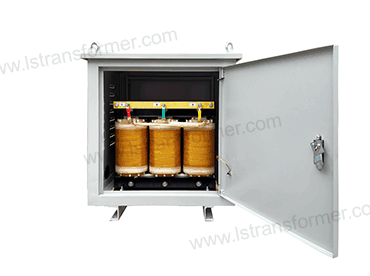
Can a 1000kVA Transformer Power a 1000kW Load?
Can a 1000kVA Transformer Power a 1000kW Load? The short answer is yes, a 1000kVA transformer can theoretically power a 1000kW load, but it depends on several factors. Firstly, it is important to understand the difference between kVA and kW. KVA (kilovolt-ampere) is a unit of apparent power, which represents...
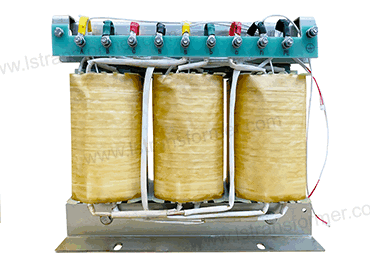
The Reason behind Laminating Silicon Steel Sheets in Power Transformers
The Reason behind Laminating Silicon Steel Sheets in Power Transformers Silicon steel sheets are widely used in the manufacturing of power transformers due to their low magnetic losses. These sheets are made by rolling steel into thin sheets and then laminating them to reduce eddy current losses. The process of...
Why Can’t Transformers be Used to Convert DC Voltage?
Why Can't Transformers be Used to Convert DC Voltage? Transformers are electrical devices that can transfer electrical energy between circuits through electromagnetic induction. They are commonly used in AC circuits to step up or step down the voltage of the power supply. However, transformers cannot be used to convert DC...
Insulation Class and Temperature Rise
Insulation Class and Temperature Rise Insulation class and temperature rise are two critical factors that determine the maximum operating temperature of electrical equipment. Insulation class refers to the maximum allowable temperature rise that the insulation material of a particular electrical device can withstand over a given period. Temperature rise, on...
Can Transformer Turns be Reduced?
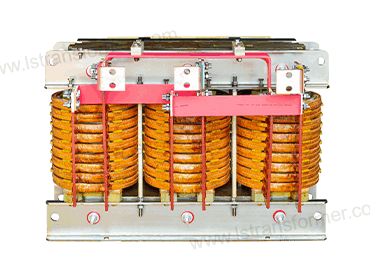
Can Transformer Turns be Reduced? Transformers are electrical devices that transfer energy between circuits through electromagnetic induction. One of the key components of a transformer is the winding, which consists of a series of turns of wire that are wound around a magnetic core. The number of turns in the...
Main Factors That Affect Transformer Lifespan
Main Factors That Affect Transformer Lifespan Transformers are critical components in many electrical systems, and their reliability and lifespan are essential for ensuring the safety and functionality of the systems they support. The following are the main factors that can affect the lifespan of transformers: (1) Temperature: One of the...

