






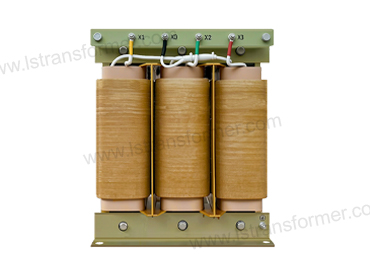
The Smart Grid Era: Evolution of Digital Transformer Technology
The Smart Grid Era: Evolution of Digital Transformer Technology The global energy system is undergoing a profound transformation driven by smart grid technology. According to the International Energy Agency (IEA), global investments in smart grids are projected to exceed $400 billion by 2030. As the "nerve nodes" of power grids,...
Why Are High-Power Transformers More Likely to Use Flat Copper Wire Instead of Round Copper Wire?
Why Are High-Power Transformers More Likely to Use Flat Copper Wire Instead of Round Copper Wire? In power transmission and distribution systems, transformers are core equipment whose performance directly affects the efficiency and stability of the entire grid. In recent years, with the continuous growth of power demand and the...
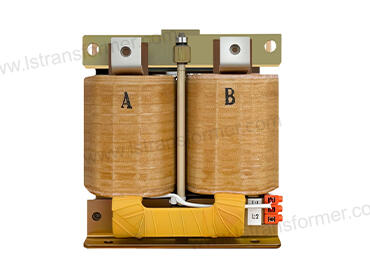
How to Compensate for Three-Phase Imbalance? —A Step-by-Step Breakdown of Reactor + SVG Hybrid Mitigation Solution
How to Compensate for Three-Phase Imbalance? —A Step-by-Step Breakdown of Reactor + SVG Hybrid Mitigation Solution In industrial plants, data centers, and renewable energy power stations, "three-phase imbalance leading to soaring line losses and equipment damage" has become a core pain point in global power systems. According to IEEE 1159...
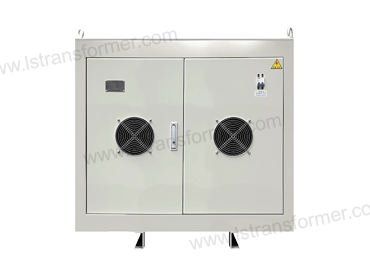
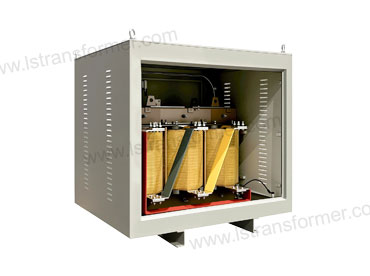
Key Points of Explosion-Proof Design for Oil-Immersed Transformers: How Do Pressure Relief Devices and Gas Relays Work Together?
Key Points of Explosion-Proof Design for Oil-Immersed Transformers: How Do Pressure Relief Devices and Gas Relays Work Together? Oil-immersed transformers are widely used in global power infrastructure due to their excellent insulation and heat dissipation capabilities. However, internal faults can lead to a rapid increase in pressure and decomposition of...
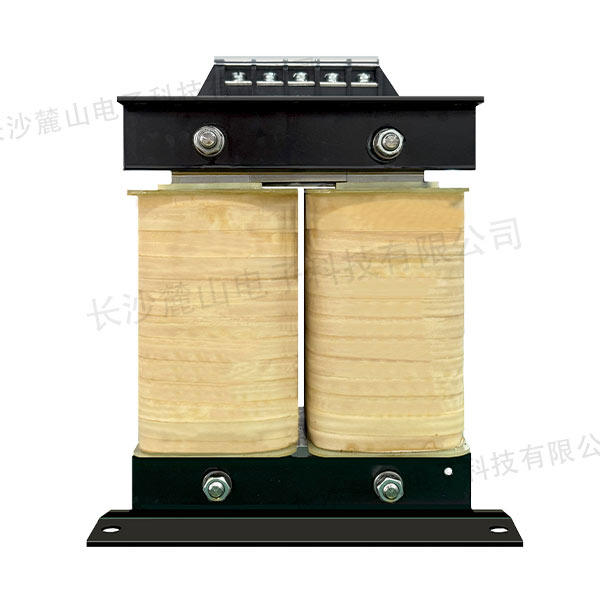
Lightning and Surge Protection:Innovations in Transformer Insulation Technology
In the context of the accelerating global interconnection of power grids, transformers—as core equipment for energy transmission—face severe challenges related to lightning strikes and surges (transient overvoltages). According to data from the International Energy Agency (IEA), transformer failures caused by lightning strikes result in annual economic losses exceeding $5 billion...
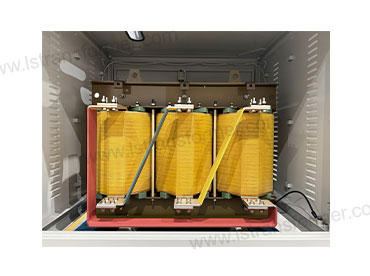
Can Power Be Restored Immediately After a Heavy Gas Trip? —Detailed Process of Fault Gas Chromatography Analysis
Can Power Be Restored Immediately After a Heavy Gas Trip? —Detailed Process of Fault Gas Chromatography Analysis When a transformer's heavy gas element (Buchholz Relay Heavy Gas Element) trips, operators face a critical question: Can power be restored immediately? This decision directly impacts equipment safety and grid stability. Incorrect judgments...
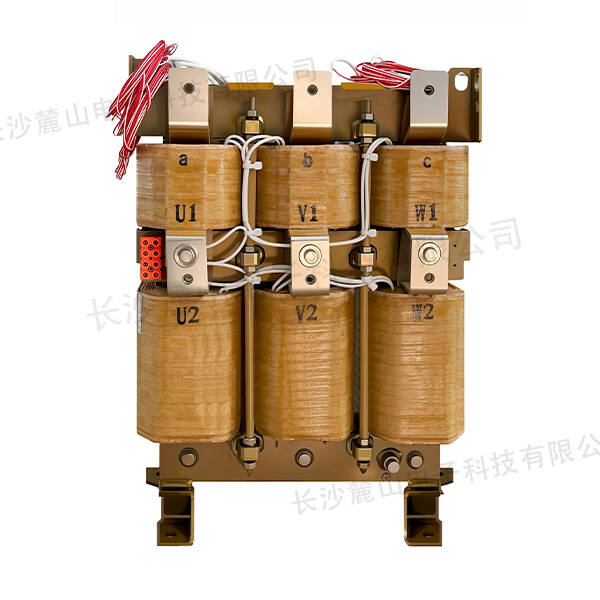
How to Suppress Reactor Resonance Overvoltage? – Collaborative Design of Damping Resistors and Filters
How to Suppress Reactor Resonance Overvoltage? – Collaborative Design of Damping Resistors and Filters In power system operation, the LC resonance circuit formed by reactors and distributed capacitance can generate dangerous overvoltage phenomena. According to measured data from IEEE Std. C57.21-2021, the peak resonance overvoltage can reach 2-3 times the...
Which is More Reliable: Laser Welding, Soldering, or Cold Crimping? —A Comparison of Winding Wire Joining Processes
Which is More Reliable: Laser Welding, Soldering, or Cold Crimping? —A Comparison of Winding Wire Joining Processes In the manufacturing of transformers and reactors, the choice of joining process directly impacts device efficiency, lifespan, and failure rates. Laser welding, soldering, and cold crimping exhibit significant differences in conductivity, mechanical strength,...
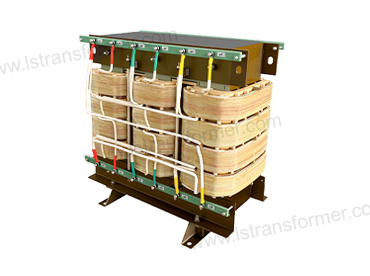
How to Prevent Interference Between Lead Wires in Multi-Winding Transformers? —An In-Depth Analysis Based on International Standards
How to Prevent Interference Between Lead Wires in Multi-Winding Transformers? —An In-Depth Analysis Based on International Standards In power systems, industrial drives, and renewable energy applications, multi-winding transformers are indispensable due to their efficient energy distribution and voltage transformation capabilities. However, as the number of windings increases, electromagnetic interference (EMI)...
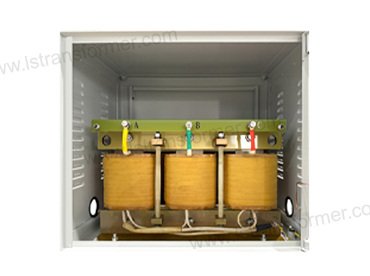
Can Recycled Copper Wire Be Used in Transformers? —Comprehensive Analysis and Professional Recommendations
Can Recycled Copper Wire Be Used in Transformers? —Comprehensive Analysis and Professional Recommendations With the increasing global awareness of environmental protection, the use of recycled materials in various industries has become more widespread. For transformer manufacturers and users, the question of whether recycled copper wire can be used in transformers...
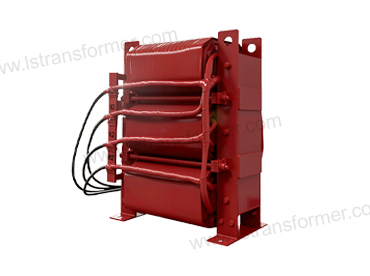
How to Optimize Transformer Structure Design to Reduce Temperature Rise? —Key Technology Analysis
How to Optimize Transformer Structure Design to Reduce Temperature Rise? —Key Technology Analysis In power transmission and distribution systems, transformers are core equipment whose operating temperature directly impacts reliability, energy efficiency, and lifespan. Research data from the International Energy Agency (IEA) shows that for every 10K reduction in transformer temperature...
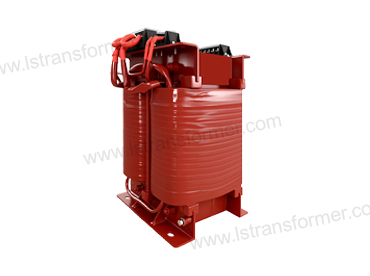
Can Excessive Temperature Rise Melt Transformer Insulation Materials? — A Complete Guide to Temperature Rise Parameters
Can Excessive Temperature Rise Melt Transformer Insulation Materials? — A Complete Guide to Temperature Rise Parameters As a critical parameter in transformer operation, temperature rise directly impacts the safe operation and service life of the equipment. This article provides a comprehensive analysis of the core concepts, influencing factors, international standards,...

