






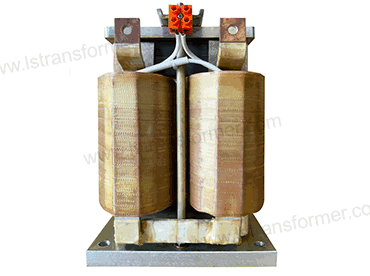
Differences Between Reactors and Filters in Electrical Systems
Differences Between Reactors and Filters in Electrical Systems Reactors and filters are two commonly used components in electrical systems, both of which are designed to help regulate and control electrical signals. While they share some similarities in terms of their functions and applications, there are also important differences between the...
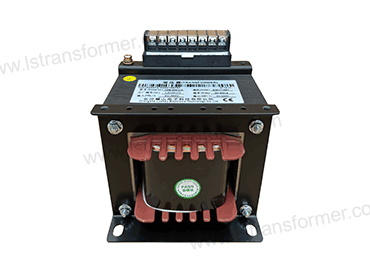
Why is Silicon Steel Used as Core Material in Transformers?
Why is Silicon Steel Used as Core Material in Transformers? Transformers are an essential component of the electrical power system, and they operate on the principle of electromagnetic induction. The efficiency and performance of a transformer depend on the quality of the core material used. The core material is responsible...
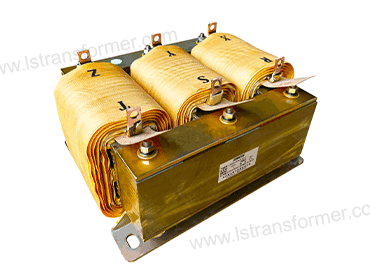
Differences between Input Reactors and Output Reactors
Differences between Input Reactors and Output Reactors Input reactors and output reactors are two types of reactors that are commonly used in electrical systems. While both types of reactors are used to provide impedance to electrical circuits, they serve different functions and are designed differently. An input reactor is typically...
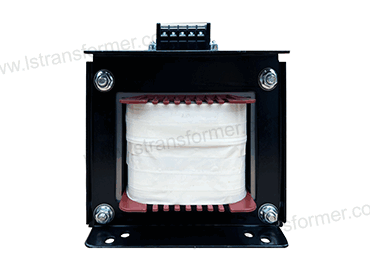
Why is Transformer Voltage Regulation High-to-High and Low-to-Low?
Why is Transformer Voltage Regulation High-to-High and Low-to-Low? Transformer voltage regulation refers to the ability of the transformer to maintain a relatively constant output voltage even when the input voltage varies. This is an important factor in ensuring the safe and reliable operation of electrical equipment. When it comes to...
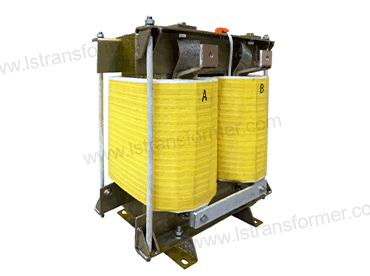
Capacitance Calculation and Matching for Reactors
Capacitance Calculation and Matching for Reactors Capacitance calculation and matching are important considerations when designing electrical systems that incorporate reactors. Capacitance refers to the ability of a material to store electrical energy, and can affect the overall performance and efficiency of the system. When calculating the capacitance of a reactor,...
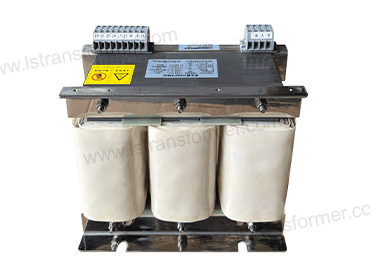
How to Improve the Power Factor of Transformers
How to Improve the Power Factor of Transformers The power factor of a transformer is an important factor in its efficiency and effectiveness. It is defined as the ratio of the real power (kW) to the apparent power (kVA) and represents how efficiently the transformer is converting power. A low...
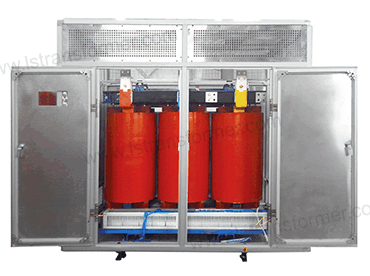
What is Vacuum Epoxy Resin Cast Transformer?
A vacuum epoxy resin cast transformer is a type of transformer that is made using epoxy resin as the insulating material and is produced under vacuum conditions. The vacuum casting process ensures that the resin is evenly distributed and free of air bubbles, which can affect the performance of the...
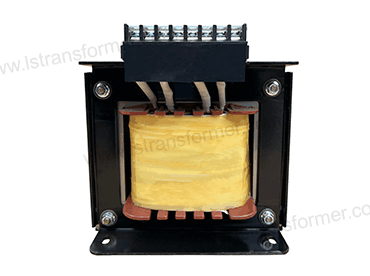
Are Resistor and Transformer Cores the Same?
Resistor and transformer cores are not the same. While both types of cores are made of ferrous material such as iron, they are used for different purposes and have different electrical and magnetic properties. Resistor cores are used to control the flow of electricity in the circuit. The core material...
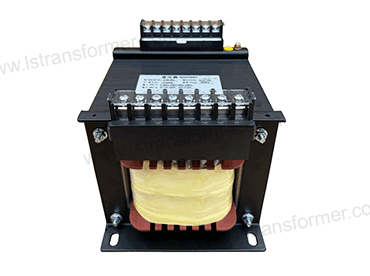
Air Gap in Reactor Iron Core
Reactor iron core is an essential component in reactors that helps to provide inductive reactance. An air gap in the reactor iron core can significantly affect its performance. An air gap refers to the space between two magnetic cores that interrupts the magnetic field. The presence of an air gap...
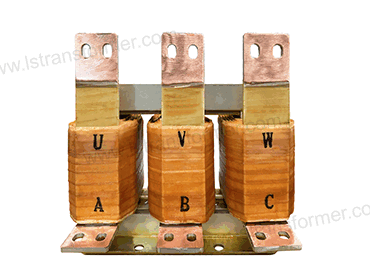
Common Malfunctions and Troubleshooting Methods for Reactors
Reactors are important components in many electrical systems and can be subject to various malfunctions that affect their performance. Here are some common malfunctions and troubleshooting methods for reactors: Overheating: This can be caused by several factors, including overloading, insufficient cooling, or poor ventilation. The solution is to reduce the...
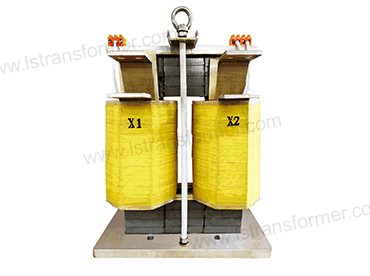
Why Grounded Flat Iron Cannot Be Closed in Resistors
Grounded flat iron is a commonly used material in resistors. It is used to connect different electrical components in the circuit and provide connection points between components. However, closing the grounded flat iron is not advisable in resistors and should be avoided. This is due to the risk of the...
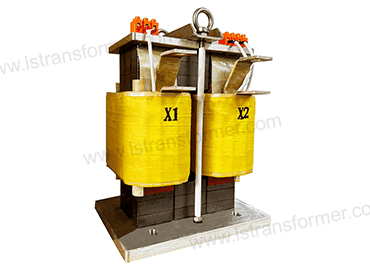
How to Judge the Quality of Reactors
Reactors are important components in electrical circuits, and their quality directly affects the performance and reliability of the circuit. Here are some key factors to consider when judging the quality of a reactor: (1) Inductance: The inductance of a reactor is a key parameter that directly affects its performance. A...

