






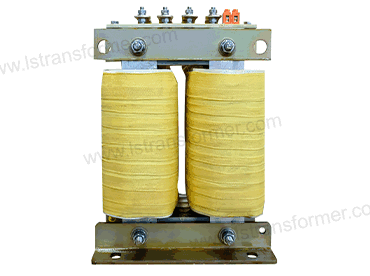
What are applications of Reactors?
Reactors find a wide range of applications across various industries. They are used to control current, voltage, and frequency in electrical systems. Here are some of the most common applications of reactors: Power transmission: Reactors are used in power transmission systems to limit the flow of current and to protect...
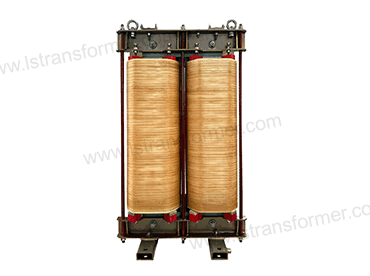
Differences Between Copper and Aluminum Cores in Resistors
Resistors are essential components of any circuit and play an important role in providing current and voltage control as well as noise reduction. When designing a circuit, it is important to pick the right type of resistor for the application. One of the important parameters to consider when selecting a...
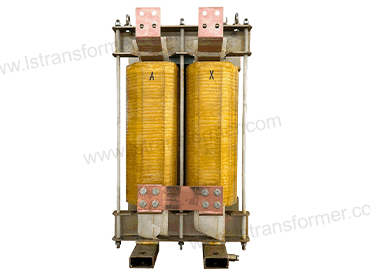
What Determines the Lifespan of Reactors?
A reactor, or an inductor, is a passive electronic component that stores energy in a magnetic field when current flows through it. It is widely used in many electronic circuits, such as power supplies, filters, and amplifiers. However, like any other electronic component, a reactor has a limited lifespan and...
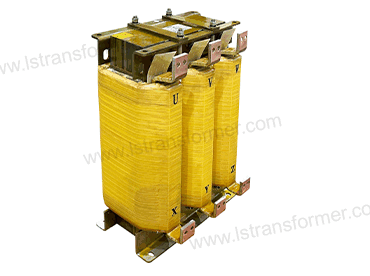
What Are the Important Considerations for Vacuum-Impregnation of Transformers?
Vacuum-impregnation of transformers is an important process that must be carefully considered in order to ensure optimal performance and reliability. There are several important considerations that should be taken into account when performing the impregnation process. The first consideration is the type of insulation material used for the impregnation. The...
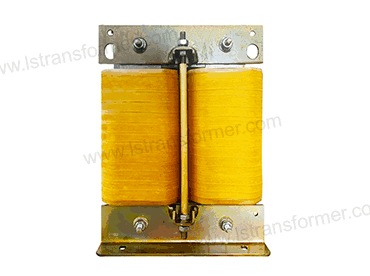
Are Inductors and Reactors the Same Thing?
In the world of electrical engineering, the terms "inductor" and "reactor" are often used interchangeably. However, while these two components share some similarities, they are not actually the same thing. An inductor, also known as a coil, is a passive electrical component that stores energy in a magnetic field when...
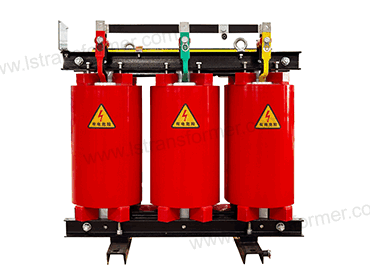
Vacuum Epoxy Casting Technology and Equipment Requirements for Transformer
Transformers are essential components used in electric power systems and many industrial applications. The use of vacuum epoxy casting technology in transformer production has become more and more popular due to its good performance. Vacuum epoxy casting technology is a process of using vacuum and high temperature to cast the...
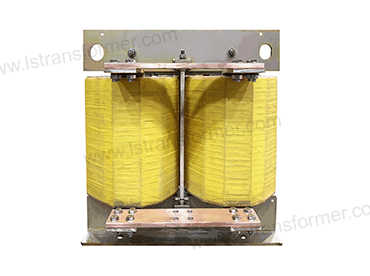
The Consequences of Mismatching Inductors and Capacitors
When a reactor and a capacitor are connected in parallel in an AC circuit, they can act as a filter that blocks certain frequencies while allowing others to pass through. This is known as a tuned circuit or a resonant circuit. The resonant frequency of the circuit is determined by...
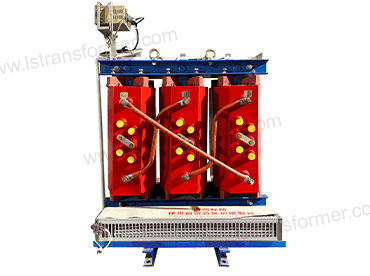
Manufacturing Process of Vacuum Epoxy Resin Cast Transformer
Vacuum epoxy resin cast transformers are widely used in various electrical power systems. The manufacturing process of these transformers is a complex and precise procedure that requires attention to every detail. The following are the general steps involved in the manufacturing process of vacuum epoxy resin cast transformers: (1) Core...
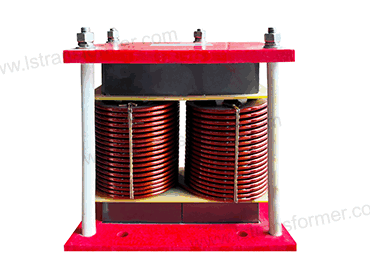
Differences between Air-Core and Iron-Core Inductors
Differences between Air-Core and Iron-Core Inductors Inductors, or "coils," are used in electrical circuits to store energy in a magnetic field. There are two types of inductors: air-core and iron-core. The primary difference between them is the material used to create the core. Air-core inductors use a hollow, non-magnetic core,...
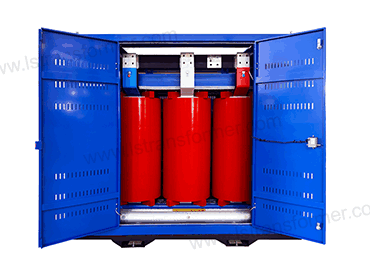
Structure Design of Vacuum Epoxy Resin Cast Transformer
Vacuum epoxy resin cast transformer is widely used in power systems due to its excellent performance and reliability. The structure design of the transformer plays a crucial role in its overall performance. The core of the vacuum epoxy resin cast transformer is made of high-quality silicon steel sheets, which are...
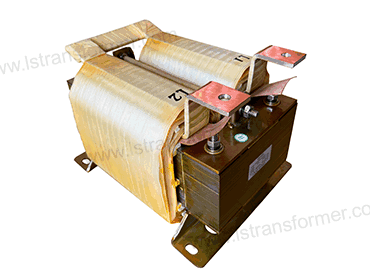
Wiring Methods of Reactors in Electrical Systems
Wiring Methods of Reactors in Electrical Systems Reactor wiring is a critical aspect of electrical system design and operation. There are several different methods that can be used to connect reactors in a circuit, each with its own advantages and disadvantages. One common method is to wire reactors in series,...
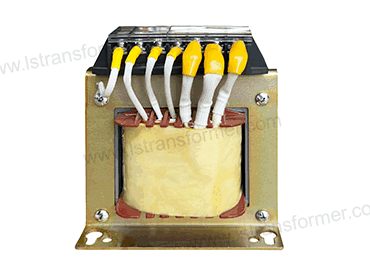
What Materials Are Used for the Manufacturing of Vacuum-Impregnated Transformers and How Do They Affect Performance?
Vacuum-impregnated transformers use a variety of materials in their construction. The core material, insulation material, and other components must all be carefully chosen to ensure optimal performance. The core material used in vacuum-impregnated transformers is typically made of ferrous material such as iron, steel, or an alloy. The material must...

