






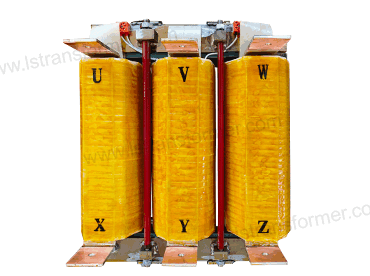
How to Choose Reactor Core Materials? — Comprehensive Guide to Silicon Steel, Ferrite, and Amorphous Alloys
How to Choose Reactor Core Materials? — Comprehensive Guide to Silicon Steel, Ferrite, and Amorphous Alloys In power systems, new energy inverters, and industrial frequency conversion equipment, "reactor core material selection" is a critical decision affecting efficiency, size, and cost. According toIEEE 389 standards, core materials directly determine 40%-60% of reactor...
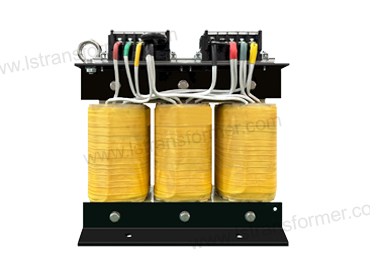
How to Protect Power Equipment During Thunderstorms? —A Collaborative Solution of Lightning Arresters and Transformers
How to Protect Power Equipment During Thunderstorms? —A Collaborative Solution of Lightning Arresters and Transformers Due to global climate change, thunderstorms are becoming increasingly frequent. According to statistics from the World Meteorological Organization (WMO), the global average number of thunderstorm days in 2023 increased by 18% compared to a decade...
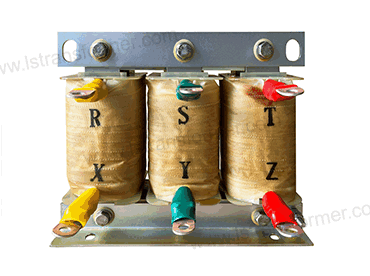
What to Do When Reactor Core Air Gap Is Too Large? — Precision Calculation Tools and Assembly Accuracy Control
What to Do When Reactor Core Air Gap Is Too Large? — Precision Calculation Tools and Assembly Accuracy Control The International Energy Agency (IEA) reports that approximately 23% of global reactor failures stem from excessive air gap errors in cores, leading to inductance deviations exceeding ±5% (IEC 60289-2016 limits: ±3%). Air...
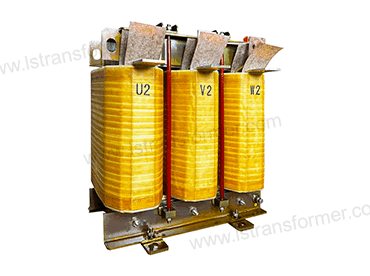
How to Choose a Reactor? —From Theory to Practical Application Matching
How to Choose a Reactor? —From Theory to Practical Application Matching In global industrial and energy systems, reactors are core components for regulating current, suppressing harmonics, and improving power quality. Their selection directly impacts equipment efficiency and system stability. According to Google search data, keywords such as "how to choose...
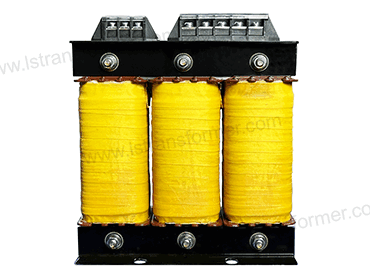
Why Does Transformer Noise Persist? —From Noise Source Identification to Targeted Solutions
Why Does Transformer Noise Persist? —From Noise Source Identification to Targeted Solutions According to the latest CIGRE survey, 29% of global operational transformers exhibit audible abnormal noise, with 18% of cases leading to equipment damage. Abnormal noise is not only an early sign of performance degradation but also a potential risk to grid safety....
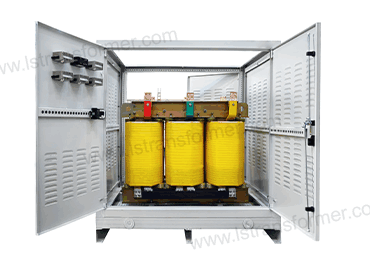
How Does Humid Environment Cause Transformer Insulation Failure? —In-Depth Analysis of IP68 Protection Level Transformer Solutions
How Does Humid Environment Cause Transformer Insulation Failure? —In-Depth Analysis of IP68 Protection Level Transformer Solutions In coastal areas, tropical rainforests, and industrial environments sensitive to humidity, "transformer insulation failure due to humid conditions" has become a core challenge in global power system maintenance. Research shows that environments with relative...
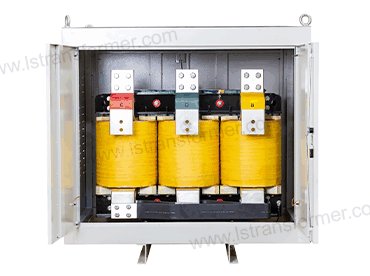
Evolution of Transformer Winding Materials —Balancing Cost and Performance: From Electrolytic Copper to Copper-Clad Aluminum
Evolution of Transformer Winding Materials —Balancing Cost and Performance: From Electrolytic Copper to Copper-Clad Aluminum According to data from the International Copper Association (ICA), winding materials account for 35%-50% of a transformer's total cost. Over the past 30 years, copper prices have surged by 380%, driving global manufacturers to explore...
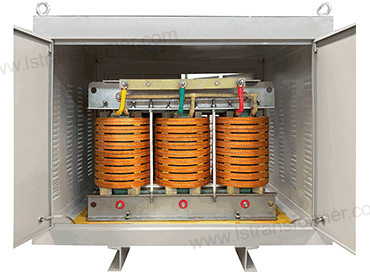
The Evolution of Transformer Core Materials: From Silicon Steel to Amorphous Alloys
The Evolution of Transformer Core Materials: From Silicon Steel to Amorphous Alloys Driven by the global energy transition and carbon neutrality goals, the innovation of transformer core materials has become central to improving energy efficiency. This article explores the evolution of silicon steel, cold-rolled grain-oriented silicon steel, and amorphous alloys,...
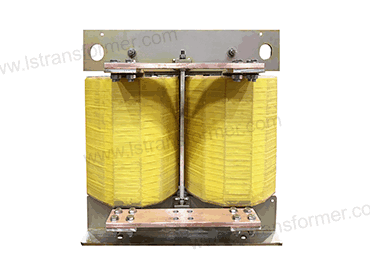
What Are Current Limiting Reactors? —The Secret Weapon for Power System Short Circuit Protection
What Are Current Limiting Reactors? —The Secret Weapon for Power System Short Circuit Protection According to the International Council on Large Electric Systems (CIGRE), short circuits are among the deadliest threats to power systems. Current limiting reactors suppress 60%-80% of fault currents, preventing over $8 billion in global equipment losses...
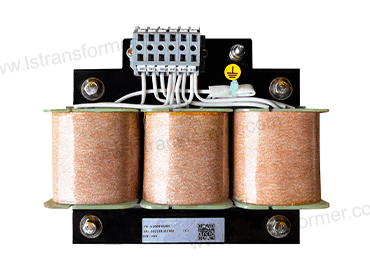
How to Reduce Leakage Flux in Transformers?
How to Reduce Leakage Flux in Transformers? — Applications of Silicon Steel Lamination, Copper Shielding Rings, and Magnetic Gap Fillers In power transmission and electronic devices, transformers play a critical role. However, leakage flux generated during transformer operation not only reduces efficiency but also causes electromagnetic interference (EMI), localized overheating,...
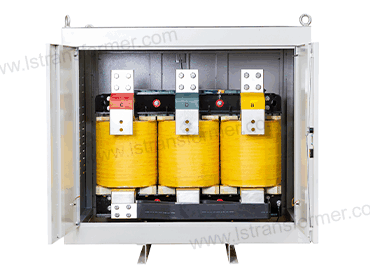
How to Control Transformer Temperature Rise in High-Temperature Environments?
How to Control Transformer Temperature Rise in High-Temperature Environments? —Synergistic Design of Heat-Resistant Insulation Materials and Forced Air Cooling Against the backdrop of global warming and increasing industrial demand, the stable operation of transformers in high-temperature environments has become a major challenge for the power industry. This article delves into...
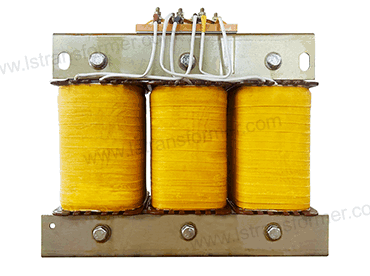
Can Lamination Process Optimization Reduce Leakage Flux?
Can Lamination Process Optimization Reduce Leakage Flux? —In-Depth Analysis of Winding Transposition and Core Step-Lap Joint Technology In the global wave of pursuing carbon neutrality, the energy consumption of power equipment has become a growing focus. According to data from the International Energy Agency (IEA), transmission and distribution losses account...