






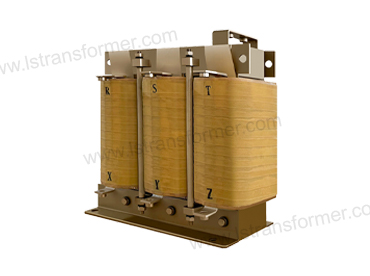
The Evolution of Core Gap Measurement Technology -From Feeler Gauges to Laser 3D Scanning for Precision Enhancement
The Evolution of Core Gap Measurement Technology -From Feeler Gauges to Laser 3D Scanning for Precision Enhancement The exceptional performance of transformers and reactors hinges on a microscopic dimension invisible to the naked eye—the precision of air gaps between silicon steel laminations. As the heart of electromagnetic energy conversion, the...
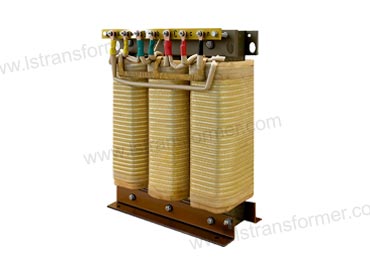
What Tests Should Be Conducted After a Sudden Short Circuit? —Winding Deformation Testing (FRA Method) Operational Procedure
What Tests Should Be Conducted After a Sudden Short Circuit? —Winding Deformation Testing (FRA Method) Operational Procedure Transformers are the core equipment of power systems, and their safe and stable operation is critical. When a transformer experiences a sudden short-circuit fault, its windings may undergo mechanical deformation invisible to the...
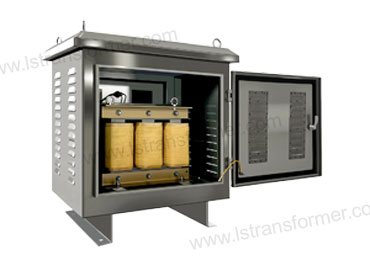
How to Assess Transformer Insulation Paper Aging? —Degree of Polymerization (DP Value) Testing Method and Remaining Life Prediction
How to Assess Transformer Insulation Paper Aging? —Degree of Polymerization (DP Value) Testing Method and Remaining Life Prediction With the increasing aging of global power grid infrastructure, transformers, as the core equipment of power systems, play a critical role in operational reliability. Transformer insulation paper aging is one of the...
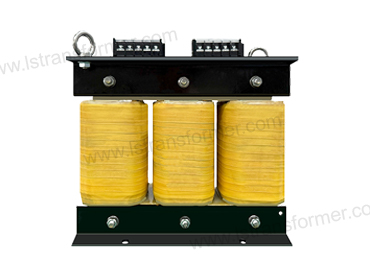
Transformer Lead Wire Connection: Quick Connect Terminals vs. Ring Terminals – A Deep Dive into Reliability
Transformer Lead Wire Connection: Quick Connect Terminals vs. Ring Terminals – A Deep Dive into Reliability In the manufacturing and installation of transformers and reactors, the quality of the connection between the lead wires and external circuits directly determines the long-term reliability of the equipment. When faced with the two...
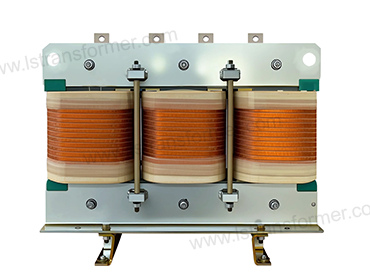
How to Detect Damaged Wire Insulation? —A Guide to Preventing Winding Short Circuits
How to Detect Damaged Wire Insulation? —A Guide to Preventing Winding Short Circuits Winding short circuits in transformers and reactors are a common cause of equipment failure, and damaged insulation is often a precursor to such faults. Effectively detecting wire insulation damage and implementing preventive measures are critical for the...

What Special Certifications Must the Lead Wires of Electric Vehicle Charging Pile Transformers Meet?
What Special Certifications Must the Lead Wires of Electric Vehicle Charging Pile Transformers Meet? With the rapid growth of the global electric vehicle (EV) market, the demand for charging infrastructure is increasing significantly. As one of the core components of a charging pile system, the design and performance of transformers...
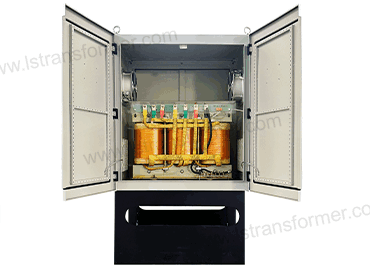
Comprehensive Guide to Transformer Startup Procedures in -30°C Extreme Cold Environments: Ensuring Safe and Reliable Operations
Comprehensive Guide to Transformer Startup Procedures in -30°C Extreme Cold Environments: Ensuring Safe and Reliable Operations When temperatures plummet to -30°C, starting a standard transformer becomes a formidable challenge. Risks include insulating oil thickening like honey, winding contraction leading to structural stress, and metal components becoming brittle due to low-temperature...
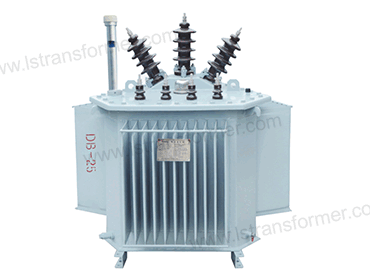
What Are the International Universal Standards for Polarity Marking of Transformer Leads have?
What Are theInternational Universal Standards for Polarity Marking of Transformer Leads have? In international power equipment trade and technical exchanges, the polarity marking of transformer and reactor leads is a critical technical specification. As the operator of a transformer and reactor website, I frequently receive inquiries about keywords such as "transformer polarity...
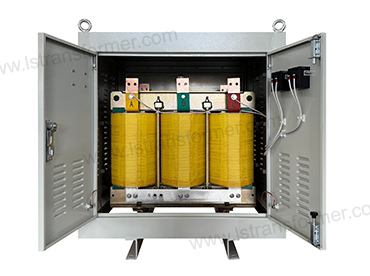
How to Detect Insulation Aging in Transformer and Reactor Lead-Out Wires?
How to Detect Insulation Aging in Transformer and Reactor Lead-Out Wires? In power systems and industrial applications, transformers and reactors are critical equipment for efficient power transmission and distribution. Over time, the insulation materials of their lead-out wires inevitably age, significantly impacting the safety and reliability of the equipment. The...
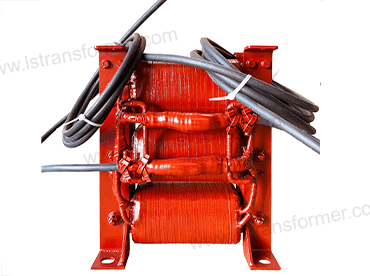
What Special Designs Must Fireproof Transformers Meet?
What Special Designs Must Fireproof Transformers Meet? —UL-Certified Flame-Retardant Material Requirements In the context of increasingly stringent global safety standards for electrical equipment, fireproof transformers have become critical safety devices in industrial, commercial, and residential power systems. These transformers must not only meet basic electrical performance requirements but also comply...
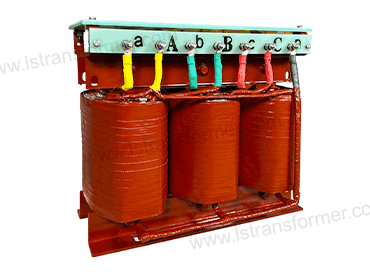
How to Protect Offshore Wind Power Transformer Wires from Salt Spray Corrosion?
How to Protect Offshore Wind Power Transformer Wires from Salt Spray Corrosion? Offshore wind power, as a vital component of the renewable energy sector, is undergoing rapid development. However, the harsh offshore environment, particularly high salt spray conditions, poses severe challenges to the reliability of wind power equipment. As the...
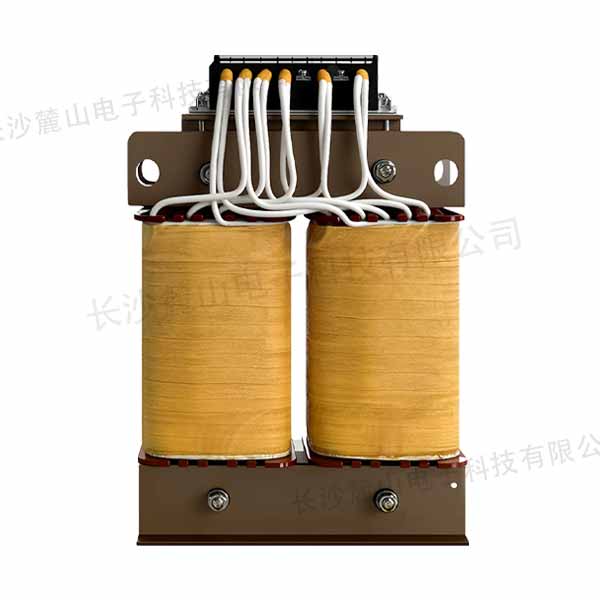
Why Must High-Grade Oil-Resistant Wires Be Used in EV Charging Pile Transformers?
Why Must High-Grade Oil-Resistant Wires Be Used in EV Charging Pile Transformers? With the rapid expansion of the global electric vehicle (EV) market, the construction of charging infrastructure has become a focal point for governments and businesses worldwide. As a core component of charging piles, the performance of transformers directly...

