






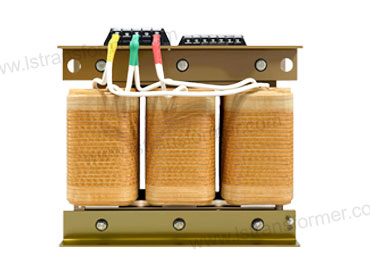
Why Should the Lead Wires of PV Inverter Transformers Be UV-Resistant? —An In-Depth Analysis of Critical Protection Requirements
Why Should the Lead Wires of PV Inverter Transformers Be UV-Resistant? —An In-Depth Analysis of Critical Protection Requirements In the heart of photovoltaic (PV) power generation systems, the inverter transformer acts as a silent "energy translator," efficiently converting the direct current (DC) produced by solar panels into grid-compatible alternating current...
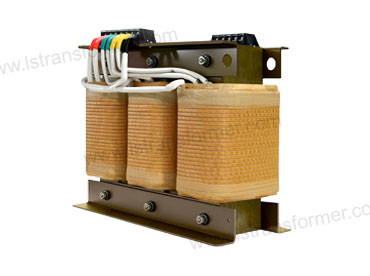
Copper-Clad Aluminum Wire in Transformers:Can It Replace Pure Copper? What Are the Cautions for Specific Applications?
Copper-Clad Aluminum Wire in Transformers:Can It Replace Pure Copper? What Are the Cautions for Specific Applications? Driven by the dual goals of global energy efficiency improvement and cost optimization, the transformer manufacturing industry is actively exploring new material applications. Copper-clad aluminum (CCA) wire, a composite material that combines cost advantages...
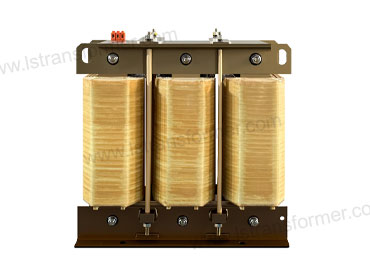
How to Detect Transformer Winding Hotspots in Advance Using Infrared Thermal Imaging? —Key Technology Insights from Global Power Experts
How to Detect Transformer Winding Hotspots in Advance Using Infrared Thermal Imaging? —Key Technology Insights from Global Power Experts In transformer lifecycle management, excessive winding hotspot temperatures are a primary cause of accelerated insulation degradation and eventual failure. Global power grid statistics reveal that over 35% of unplanned transformer outages...
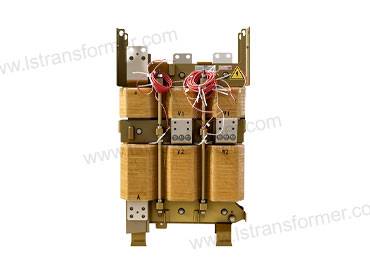
Temperature Rise Limits of Dry-Type Transformers vs. Oil-Immersed Transformers: Key Differences
Temperature Rise Limits of Dry-Type Transformers vs. Oil-Immersed Transformers: Key Differences In power systems, transformers are the core equipment for energy conversion and distribution, and their performance and reliability directly impact the safety of the grid. During operation, transformers generate heat, making temperature rise a critical performance indicator. Due to...
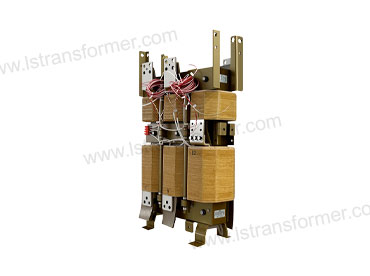
Offshore Wind Transformer Lead Wires: Tin-Plated or Silver-Plated —Which Is Better?
Offshore Wind Transformer Lead Wires: Tin-Plated or Silver-Plated —Which Is Better? Amid the roaring winds of the open ocean, offshore wind farms are becoming a cornerstone of the global green energy landscape. However, to efficiently and reliably transport massive amounts of clean electricity over tens or even hundreds of kilometers...
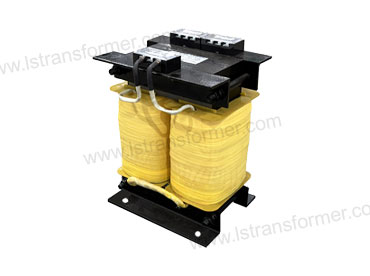
How to Restore Dampened Insulation in Transformers in Humid Environments? —In-Depth Comparison Between Hot Oil Circulation and Vacuum Drying Processes
How to Restore Dampened Insulation in Transformers in Humid Environments? —In-Depth Comparison Between Hot Oil Circulation and Vacuum Drying Processes Humid environments are a major enemy of transformer insulation systems. When moisture penetrates insulating paperboard and insulating oil, it significantly reduces their electrical strength and mechanical performance, leading to partial...
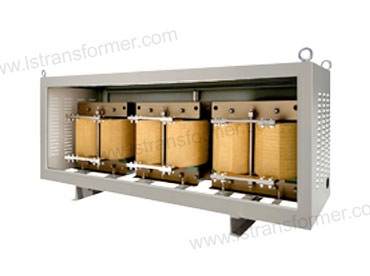
Why Are Porcelain Bushings Commonly Used in High-Voltage Transformers? —A Comprehensive Analysis of the Key Role of Insulation Guardians
Why Are Porcelain Bushings Commonly Used in High-Voltage Transformers? —A Comprehensive Analysis of the Key Role of Insulation Guardians At the heart of high-voltage power systems, transformers act as the energy transmission hub. The critical "arterial interface" connecting this hub to the external "blood vessels" (transmission lines) is often the...
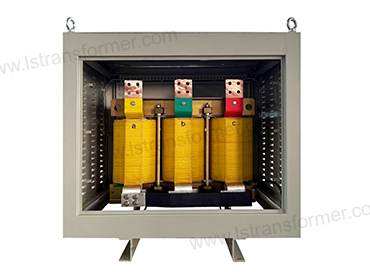
How to Design Anti-Sand Clogging for Transformer Radiators in Desert Areas?
How to Design Anti-Sand Clogging for Transformer Radiators in Desert Areas? In global energy infrastructure, transformers play a critical role, especially in harsh desert environments. Desert conditions pose unique challenges for transformer radiators, with sand and dust clogging being a prominent issue. This article provides a scientific and detailed analysis...
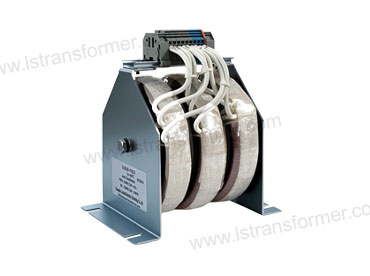
Why Are Litz Wires Commonly Used in High-Frequency Reactors? —An In-Depth Analysis of Key Design Principles
Why Are Litz Wires Commonly Used in High-Frequency Reactors? —An In-Depth Analysis of Key Design Principles High-frequency reactors are core components in power electronic systems, and their design choices directly impact device performance and efficiency. This article provides a detailed analysis of the five key reasons why high-frequency reactors use...
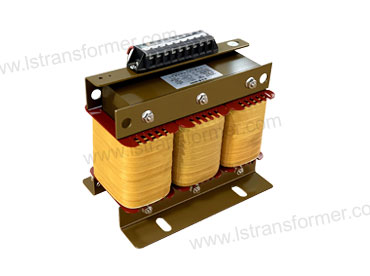
How Excessive Temperature Rise Ages Transformer Insulation? — Comprehensive Methods to Control Temperature Rise
How Excessive Temperature Rise Ages Transformer Insulation? — Comprehensive Methods to Control Temperature Rise Transformers are the core equipment of power systems, and their operating temperature directly impacts the lifespan of insulation materials and grid safety. Research by the International Electrotechnical Commission (IEC) indicates that excessive temperature rise is the...
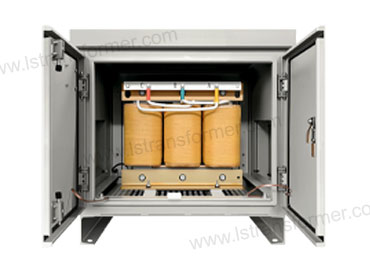
Why Are 3D Wound Core Transformers More Efficient? -The Physics Behind Symmetric Magnetic Circuits and Iron Loss Reduction
Why Are 3D Wound Core Transformers More Efficient? -The Physics Behind Symmetric Magnetic Circuits and Iron Loss Reduction In today's world where energy efficiency is a global focus, 3D wound core transformers are redefining power industry standards with their proven 35%-50% reduction in no-load losses (IEC 60076-20 certified) compared to...
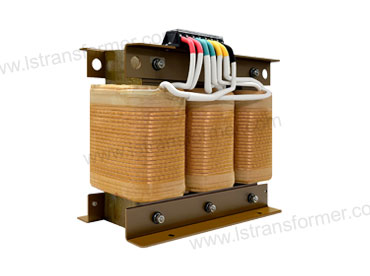
Why Are Transformer Lead Wire Connections Prone to Oxidation in Humid Environments? — A Scientific Guide to Protective Coating Selection
Why Are Transformer Lead Wire Connections Prone to Oxidation in Humid Environments? — A Scientific Guide to Protective Coating Selection Transformer and reactor lead wire connections are critical points in power transmission, and their reliability directly impacts the long-term stable operation of equipment. However, in humid environments (such as coastal...

