






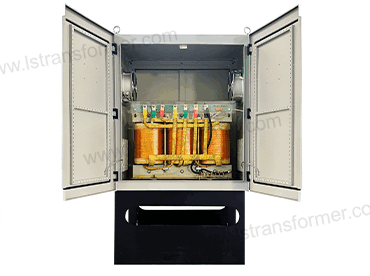
Comprehensive Guide to Transformer Startup Procedures in -30°C Extreme Cold Environments: Ensuring Safe and Reliable Operations
Comprehensive Guide to Transformer Startup Procedures in -30°C Extreme Cold Environments: Ensuring Safe and Reliable Operations When temperatures plummet to -30°C, starting a standard transformer becomes a formidable challenge. Risks include insulating oil thickening like honey, winding contraction leading to structural stress, and metal components becoming brittle due to low-temperature...
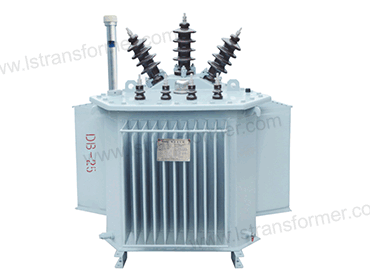
What Are the International Universal Standards for Polarity Marking of Transformer Leads have?
What Are theInternational Universal Standards for Polarity Marking of Transformer Leads have? In international power equipment trade and technical exchanges, the polarity marking of transformer and reactor leads is a critical technical specification. As the operator of a transformer and reactor website, I frequently receive inquiries about keywords such as "transformer polarity...
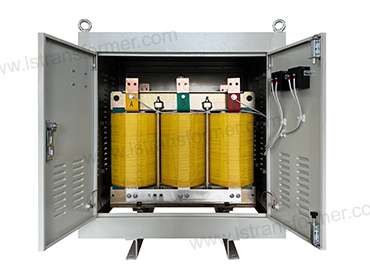
How to Detect Insulation Aging in Transformer and Reactor Lead-Out Wires?
How to Detect Insulation Aging in Transformer and Reactor Lead-Out Wires? In power systems and industrial applications, transformers and reactors are critical equipment for efficient power transmission and distribution. Over time, the insulation materials of their lead-out wires inevitably age, significantly impacting the safety and reliability of the equipment. The...
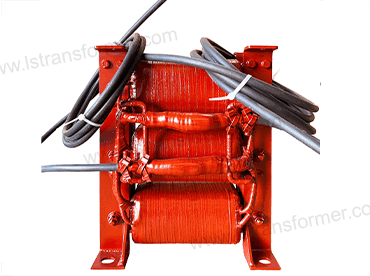
What Special Designs Must Fireproof Transformers Meet?
What Special Designs Must Fireproof Transformers Meet? —UL-Certified Flame-Retardant Material Requirements In the context of increasingly stringent global safety standards for electrical equipment, fireproof transformers have become critical safety devices in industrial, commercial, and residential power systems. These transformers must not only meet basic electrical performance requirements but also comply...
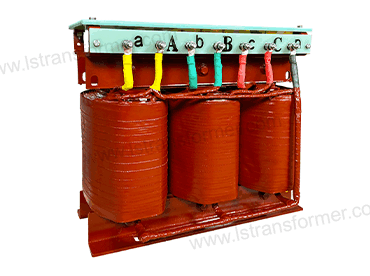
How to Protect Offshore Wind Power Transformer Wires from Salt Spray Corrosion?
How to Protect Offshore Wind Power Transformer Wires from Salt Spray Corrosion? Offshore wind power, as a vital component of the renewable energy sector, is undergoing rapid development. However, the harsh offshore environment, particularly high salt spray conditions, poses severe challenges to the reliability of wind power equipment. As the...
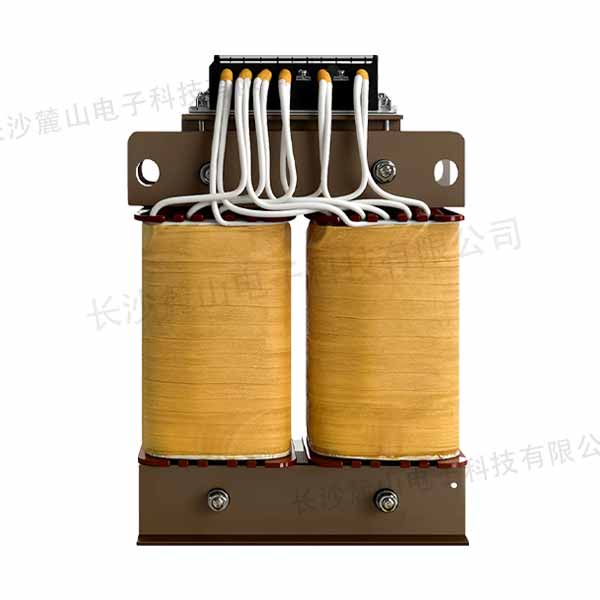
Why Must High-Grade Oil-Resistant Wires Be Used in EV Charging Pile Transformers?
Why Must High-Grade Oil-Resistant Wires Be Used in EV Charging Pile Transformers? With the rapid expansion of the global electric vehicle (EV) market, the construction of charging infrastructure has become a focal point for governments and businesses worldwide. As a core component of charging piles, the performance of transformers directly...
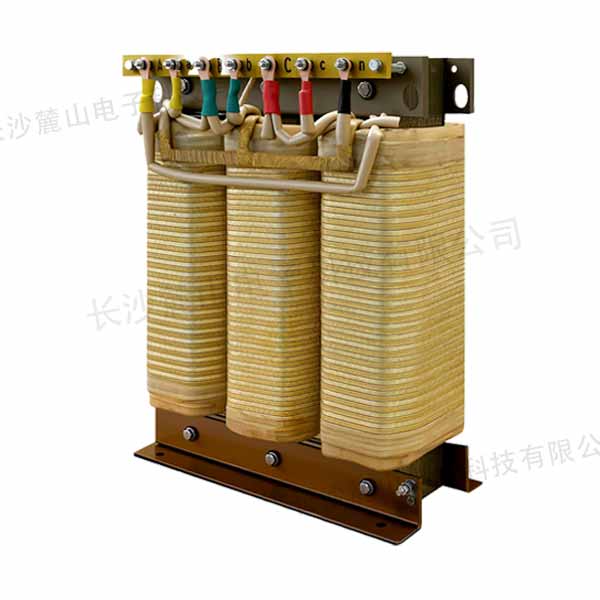
How to Scientifically Combat Salt Spray Corrosion in Offshore Wind Power Transformers? —In-Depth Analysis of Protection Technologies and International Standards
How to Scientifically Combat Salt Spray Corrosion in Offshore Wind Power Transformers? —In-Depth Analysis of Protection Technologies and International Standards The global offshore wind power capacity is projected to exceed 380GW by 2030. However, in harsh marine environments, the failure rate of transformers due to salt spray corrosion is 3-5...
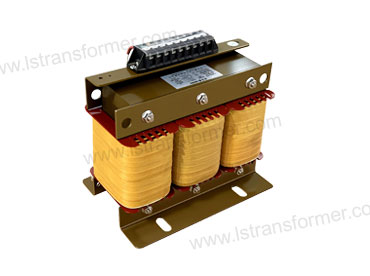
Which Country Markets Accept Aluminum as a Substitute for Copper Windings? —A Cost-Reduction Strategy for Transformer Manufacturing
Which Country Markets Accept Aluminum as a Substitute for Copper Windings? —A Cost-Reduction Strategy for Transformer Manufacturing Amid the global energy transition and power infrastructure upgrades, the manufacturing costs of transformers and reactors have become a key industry focus. Copper, the traditional conductive material, offers excellent performance but comes at...
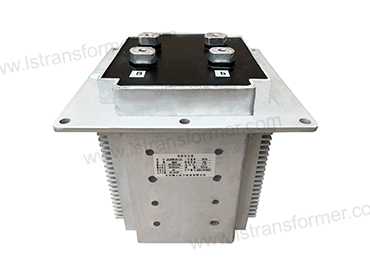
Why Do European Customers Prefer Halogen-Free Cables? —The Impact of Environmental Regulations on Cable Procurement
Why Do European Customers Prefer Halogen-Free Cables? —The Impact of Environmental Regulations on Cable Procurement With the growing global awareness of environmental protection, the European market has imposed increasingly stringent eco-friendly requirements on electrical and electronic products. As a manufacturer or purchaser of transformers and reactors, understanding why European customers...
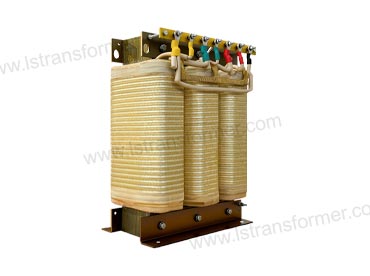
How to Handle Transformer Light Gas Alarm? — An Authoritative Guide by Global Maintenance Experts
How to Handle Transformer Light Gas Alarm? — An Authoritative Guide by Global Maintenance Experts The light gas alarm in a transformer is a critical early warning signal in power systems. As one of the most essential non-electrical protections for transformers, the activation of the light gas contact in a...
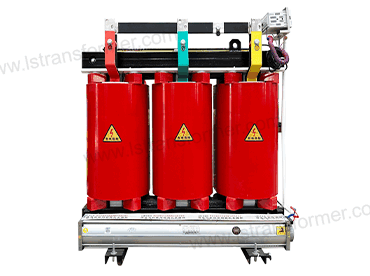
How to Solve Excessive Contact Resistance at Wire Connection Points? —Comprehensive Analysis and Systematic Solutions
How to Solve Excessive Contact Resistance at Wire Connection Points? —Comprehensive Analysis and Systematic Solutions In modern power systems and electronic equipment, the performance of transformers and reactors directly depends on the quality of their electrical connections. Excessive contact resistance, a seemingly minor issue, is actually a primary cause of...
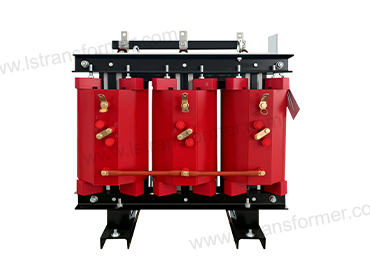
How to Perform Online Monitoring of Winding Partial Discharge? —UHF Sensor Solution Design
How to Perform Online Monitoring of Winding Partial Discharge? —UHF Sensor Solution Design Transformers are the core equipment of power grids, and the insulation health of their windings directly determines grid operation safety. Statistics from the International Council on Large Electric Systems (CIGRE) show that insulation degradation is the leading...