
 EN
EN
 FR
FR DE
DE ES
ES
Was tun, wenn die Zuleitungslänge bei der Installation des Transformators vor Ort nicht ausreicht?
Was tun, wenn die Zuleitungslänge bei der Installation des Transformators vor Ort nicht ausreicht?
Die Installation von Transformatoren vor Ort ist eine komplexe und präzise Aufgabe, und unzureichende Länge der Hochspannungs-Anschlussleitungen stellt eine häufige Herausforderung für Ingenieure dar. Dieses Problem verzögert nicht nur die Projektlaufzeiten, sondern kann auch zu erhöhtem Kontaktwiderstand, lokaler Überhitzung und sogar zu Geräteausfällen oder Sicherheitsrisiken durch unsachgemäße provisorische Lösungen führen. Dieser Artikel bietet eine systematische, wissenschaftliche und international anerkannte Lösung, um diese Herausforderung effektiv zu bewältigen.
Inhalt
1. Analyse der Hauptursachen und potenziellen Risiken
Unzureichende Zuleitungslänge mag wie ein Problem der Abmessungen erscheinen, betrifft aber tatsächlich mehrere Phasen, darunter Konstruktion, Fertigung, Transport und Installation:
(1)Konstruktions-/Fertigungsabweichung:Unklare Zeichnungen oder unzureichende Berücksichtigung der Gegebenheiten vor Ort während der Produktion.
(2)Transportschäden: Geringfügige Verschiebungen von Durchführungen oder Steigleitungen aufgrund von Vibrationen oder Stößen beim Transport großer Transformatoren.
(3)Installationsbasisfehler: Fehlausrichtung von Fundamentverankerungen, Stromschienen oder Kabelrinnen, die zu kumulativen Abweichungen jenseits der Toleranz führt.
(4)Umweltfaktoren:Thermische Ausdehnung und Kontraktion von Metallbauteilen aufgrund extremer Temperaturschwankungen (insbesondere in Regionen mit großen Tag-Nacht-Temperaturunterschieden).
● Dieses Problem zu ignorieren, kann schwerwiegende Folgen haben:
(1)Tödliche Überhitzung:Zu fest angezogene Drähte oder deformierte Steckverbinder verringern die effektive Kontaktfläche und erhöhen den Kontaktwiderstand drastisch (gemäß dem Jouleschen Gesetz). Q=I2Rt), was zu Durchbrennen an Verbindungsstellen oder sogar Buchsen führen kann.
(2)Isolationsausfall:Gewaltsames Ziehen kann die Isolierung von Drähten oder Durchführungsenden beschädigen; unzureichender Abstand in beengten Räumen kann zu Überschlägen führen.
(3)Mechanischer Schaden: Leiter, Durchführungen oder Halterungen sind zusätzlichen Belastungen ausgesetzt, was im Laufe der Zeit zu Ermüdungsbrüchen oder Öllecks aufgrund von Dichtungsversagen führen kann.
(4)Hohe Kosten: Ausfallzeiten, Demontage, Nacharbeiten oder der Austausch von Teilen führen zu erheblichen finanziellen Verlusten und Projektverzögerungen.
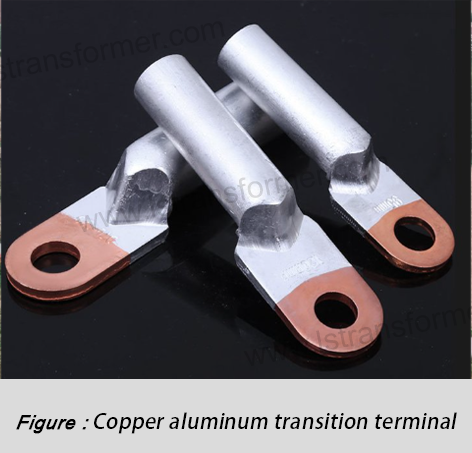
2. Wissenschaftliche Lösungen: Von temporären Maßnahmen zu dauerhaften Lösungen
● Professionelle Steckverbinder/Verlängerungsstücke (bevorzugte Methode)
(1)Kernidee:Verwenden Sie hochwertige Steckverbinder, die der Norm IEC 61238-1 oder IEEE Std 386 entsprechen, wie z. B. Kupfer-Aluminium-Übergangsklemmen, Geräteklemmen oder Verlängerungsrohre.
(2)Mechanismus:
–Zerstörungsfreie Verbindung:Die Originaldrähte werden nicht durchtrennt; die Verlängerungssegmente werden durch Verschraubung oder hydraulisches Crimpen sicher verbunden, wodurch ein reibungsloser Stromübergang gewährleistet wird.
–Leistungssicherung:Hochwertige Steckverbinder nutzen spezielle Verfahren (z. B. Reibschweißen, Hartlöten) für eine Verbindung auf molekularer Ebene, wodurch elektrochemische Korrosion minimiert wird. Der Kontaktwiderstand liegt weit unter den Anforderungen der IEC 61238-1 (typischerweise ≤ 1.1-facher Widerstand eines gleich langen Leiters).
-Flexibilität:Erhältlich in verschiedenen Längen und Winkeln, um sich an räumliche Gegebenheiten anzupassen.
(3)Wichtige Schritte:
–Oberflächenvorbereitung:Reinigen Sie die Kontaktflächen gründlich und tragen Sie eine antioxidative Leitpaste auf.
–Drehmomentregelung:Verwenden Sie einen kalibrierten Drehmomentschlüssel, um die Schrauben gemäß den Herstellervorgaben festzuziehen und so eine gleichmäßige Druckverteilung zu gewährleisten.
-Testen: Messen Sie nach der Installation den Kontaktwiderstand mit einem Mikro-Ohmmeter, um die Qualität zu überprüfen (IEC 60599 empfiehlt stabile Werte, die deutlich unter dem Widerstand benachbarter Leiter liegen).
(4)Vorteile:Höchste Zuverlässigkeit, keine Beschädigung der Geräte und vollständige Einhaltung internationaler Standards.
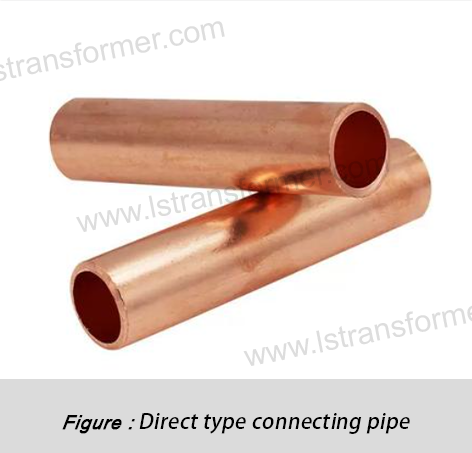
● Leiterverbindungen (Vorsicht geboten)
(1)Kernidee:Bei größeren Längenunterschieden muss der ursprüngliche Draht durchtrennt und ein neues Segment aus dem gleichen Material und Querschnitt mit geraden oder Stoßverbindern gemäß IEC 61238-1 eingespleißt werden.
(2)Risiken und Maßnahmen:
–Präzisionsschneiden: Achten Sie auf saubere, rechtwinklige Schnitte, um ein Auseinanderdriften der Fasern zu vermeiden.
–Crimpen/Schweißen:Verwenden Sie querschnittsangepasste Matrizen und Werkzeuge gemäß GB/T 14315 oder IEEE Std 1525. Führen Sie nach dem Verpressen Zug- und Widerstandsprüfungen durch.
–Isolierungssanierung: Verwenden Sie Kalt-/Wärmeschrumpfschläuche, Isolierband und wasserdichte Dichtstoffe, die der ursprünglichen Isolationsklasse entsprechen. Führen Sie Spannungsfestigkeitsprüfungen durch.
–Platzbedarf: Das Spleißen erfordert zusätzlichen Freiraum, was die Sicherheitsmargen unter Umständen beeinträchtigen kann.
(3)Anwendbarkeit:Geeignet für großzügige Räumlichkeiten mit professionellen Bedingungen.
● Geräteposition anpassen (sofern das Fundament dies zulässt)
(1)Kernidee: Den Transformator innerhalb sicherer Grenzen leicht neu positionieren (z. B. mithilfe von verstellbaren Stahlscheiben), um die Anschlussdrähte auf natürliche Weise auszurichten.
(2)Wichtige Schritte:
–Machbarkeitsprüfung:Lassen Sie sich von Statikern bestätigen, dass die Anpassungen die Stabilität nicht beeinträchtigen.
– Koordinierte Anpassungen:Stellen Sie sicher, dass Rohre, Kabelrinnen und Stromschienen für die neue Position geeignet sind.
–Präzise Ausrichtung: Verwenden Sie Laser-Nivelliergeräte, um die Normen GB 50148 oder IEEE Std C57.12.00 für Horizontalität und Ausrichtung zu erfüllen.
(3)Vorteile:Die dauerhaftste Lösung.
(4)Einschränkungen:Durch die Fundamentkonstruktion und die Anordnung der angrenzenden Anlagen eingeschränkt (Anpassungen sind typischerweise auf wenige Zentimeter begrenzt).
3. Vorbeugen statt Heilen: Wichtige Kontrollmaßnahmen bei Planung und Bau
Schlüsselparameter |
Design-Anforderungen |
Normenreferenz |
Designspielraum |
Für Fundamentfehler, Wärmeausdehnung und Montagetoleranzen sollten 10-15 % zur Länge hinzugerechnet werden. |
IEEE Std C57.12.00, IEC 60076 |
3D-Simulation |
Verwenden Sie ANSYS/SolidWorks, um die Geräteplatzierung und die Stromschienenverbindungen zu simulieren. |
ANSYS, SolidWorks Simulation |
Vor-Ort-Verifizierung |
Messen Sie die Abstände zwischen Buchse und Anschluss nach der Installation präzise, um die Kabelkonfektionierung zu gewährleisten. |
GB 50150, IEEE Std C57.152 |
Materialkompatibilität |
Die Werkstoffe für Leiter/Buchsen (Cu/Al) sind anzugeben und Unterschiede in der Wärmeausdehnung zu berücksichtigen. |
IEC 61238-1 (Cu-Al-Verbindungen) |
Umweltkompensation |
Berechnen Sie die Ausdehnung (ΔL = α × L₀ × ΔT) für extreme Klimazonen; lassen Sie Platz für Dehnungsfugen frei. |
IEC 62271-1 |
4. Kernformel: Leiterstrombelastbarkeit und Temperaturanstieg
Eine unzureichende Dimensionierung des Leiters (selbst bei ausreichender Länge) stellt ein häufiges Risiko dar. Wichtige Formeln:
Berechnung der Strombelastbarkeit:
 I=k×Sθ
Kennzahlen:
I: Zulässiger Strom (A)
S: Querschnittsfläche (mm²)
k, θ: Material-/Isolierungs-/Umgebungsabhängige Koeffizienten.
Leiter |
Isolierung |
k (A/mm²) |
Notizen |
Kupfer |
XLPE |
11-15 |
Hohe Strombelastbarkeit, hitzebeständig. |
Kupfer |
PVC |
9-12 |
Geringere Kosten, mäßige Leistung. |
Aluminium |
XLPE |
7-9 |
Größerer Querschnitt erforderlich im Vergleich zu Kupfer. |
Aluminium |
PVC |
6-8 |
Temperaturanstieg:P = I² × R
R = ρ × L / S
Sicherstellen, dass die Gleichgewichtstemperatur unterhalb der Isolierungstemperatur bleibt.
Grenzwerte (z. B. 90 °C für XLPE).
Zusammenfassend
Unzureichende Zuleitungslängen von Transformatoren stellen ein erhebliches Zuverlässigkeitsrisiko dar. Verwenden Sie daher vorrangig standardisierte Verlängerungsstücke für mehr Sicherheit und Effizienz. Beim Spleißen ist die strikte Einhaltung der IEC/IEEE-Normen unerlässlich; eine Umpositionierung der Geräte ist zwar optimal, aber kontextabhängig. Die beste Prävention liegt in der Berücksichtigung von Sicherheitsabständen in der Auslegung, 3D-Simulationen und präzisen Messungen nach der Installation.
Kontaktieren Sie uns
LuShan, Europäische Sommerzeit.1975, ist ein chinesischer professioneller Hersteller, spezialisiert auf Leistungstransformatoren und Reaktoren für50+ Jahre. Führende Produkte sind Einphasentransformator, Dreiphasentransformator Isolierung Transformatoren, elektrischer Transformator, Verteiltransformator, Abwärts- und Aufwärtstransformator, Niederspannungstransformator, Hochspannungstransformator, Steuertransformator, Ringkerntransformator, R-Kern-Transformator;Gleichstrominduktoren, Wechselstromreaktoren, Filterreaktoren, Netz- und Lastreaktoren, Drosseln, Filterreaktoren und Zwischen- und Hochfrequenzprodukte.
Unsere Kraft Transformatoren und Reaktoren werden in zehn Anwendungsbereichen häufig eingesetzt: Schnellverkehr, Baumaschinen, erneuerbare Energien, intelligente Fertigung, medizinische Geräte, Explosionsschutz in Kohlebergwerken, Erregersysteme, Vakuumsintern (Öfen), zentrale Klimaanlagen.
Erfahren Sie mehr über Leistungstransformatoren und Reaktoren:www.lstransformer.com.
Wenn Sie maßgeschneiderte Lösungen für Transformatoren oder Drosseln wünschen, kontaktieren Sie uns bitte.
WhatsApp:+86 17267488565
Email:
[E-Mail geschützt]