







How to Choose Terminal Configurations for Transformers and Reactors Based on Current Rating?
How to Choose Terminal Configurations for Transformers and Reactors Based on Current Rating? In the design and application of transformers and reactors, the choice of terminal configuration directly impacts equipment performance, safety, and service life. For different current ratings, engineers must consider factors such as conductor ampacity, thermal effects, and...
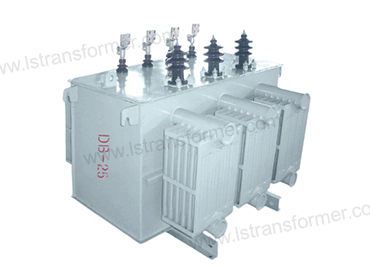
Why Transformer Temperature Rise Demands Special Attention in Tropical Regions?
Transformer temperature rise is fundamentally a thermodynamic equilibrium process involving multiple physical and chemical dimensions such as energy conversion, heat transfer, and material performance. Under tropical climate conditions, this balanced system faces numerous challenges. According to joint research data from IEC 60076-7 and IEEE Std C57.91, 63% of transformer failures in...
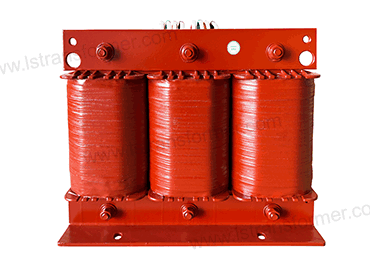
EU RoHS Directive: What Are the Restrictions on Lead Wire Materials? —Compliance Guide and Material Selection
EU RoHS Directive: What Are the Restrictions on Lead Wire Materials? —Compliance Guide and Material Selection The EU Restriction of Hazardous Substances (RoHS) Directive is a critical regulation affecting the design, manufacturing, and sale of electrical and electronic equipment (EEE) worldwide. As a core component of transformers and reactors, the...

How to Protect Transformers from Gas Corrosion in Chemical Plants? – Comprehensive Strategies & Case Studies
In chemical production zones, transformers face severe challenges due to gas corrosion. The air often contains corrosive gases such as hydrogen sulfide (H₂S), sulfur dioxide (SO₂), and chlorine (Cl₂). These gases accelerate the aging of insulation materials and corrode metal components, leading to shorter equipment lifespan, higher failure rates, and...
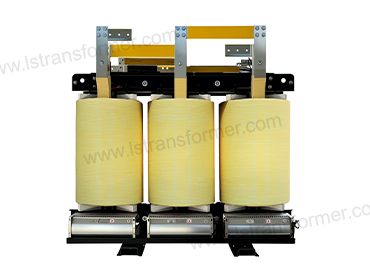
Why Do Amorphous Alloy Transformers Require Flexible Lead Connections? — Stress Relief Solutions for Lead Wires
Why Do Amorphous Alloy Transformers Require Flexible Lead Connections? — Stress Relief Solutions for Lead Wires In the global power industry’s pursuit of higher energy efficiency, amorphous alloy transformers have emerged as a star technology for energy conservation and emission reduction, thanks to their ultra-low no-load losses (60%-80% lower than...

Should All Sealing Components Be Replaced in Transformers Operating for Over 10 Years?
In the field of electrical equipment maintenance, transformers, as the core components of power grids, have long-term operational reliability that directly impacts the stability of the entire power system. With the aging of global energy infrastructure, a common question arises: Is it necessary to comprehensively replace all sealing components in...

How to Choose Between Natural Air Cooling and Forced Air Cooling for Dry-Type Transformers?
In the global power infrastructure sector, dry-type transformers have become the preferred choice for commercial buildings, data centers, industrial facilities, and renewable energy projects due to their environmental friendliness, safety, and ease of maintenance. According to theInternational Electrotechnical Commission(IEC) 60076-11 standard, the cooling methods for dry-type transformers are mainly divided into...

What Environmental Challenges Do Reactors Face in Photovoltaic Power Stations? — In-Depth Analysis and Solutions
Reactors play a critical role in reactive power compensation, harmonic suppression, and system protection within photovoltaic (PV) power stations. However, since PV plants are often built in open areas with high temperatures, dust, or high altitude, reactors face more severe environmental challenges compared to traditional grid applications. This article provides...

Environmental Adaptability Requirements of Reactors in High-Speed Railway Traction Systems
As a core pillar of modern transportation, high-speed rail relies heavily on the stability of its traction system under harsh operating conditions. Reactors, being a critical component of traction converters, directly impact train reliability and safety through their environmental adaptability. This article provides an in‑depth analysis of key environmental adaptability...

How to Prevent Small Animals from Entering Outdoor Transformer Enclosures and Causing Short Circuits?
How to Prevent Small Animals from Entering Outdoor Transformer Enclosures and Causing Short Circuits? Outdoor transformers are essential components of power systems, yet short circuits caused by small animals (such as squirrels, birds, snakes, etc.) entering transformer enclosures remain a significant challenge for the power industry. This article provides a...
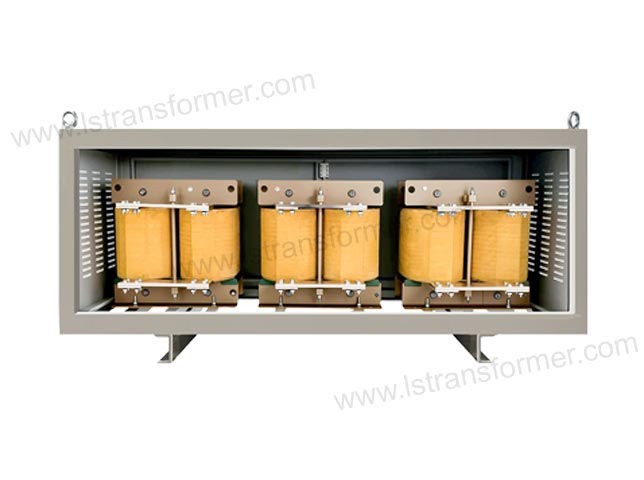
How to Balance High Protection Levels with Transformer Maintenance Accessibility? ——A Practical Guide for Engineers Worldwide
At the heart of electrical power systems, transformers stand as silent giants. When located along storm-battered coastlines or within dust-filled industrial zones, a robust "suit of armor" – a high IP protection rating – is fundamental to their survival. However, does this very armor become an insurmountable barrier for maintenance...
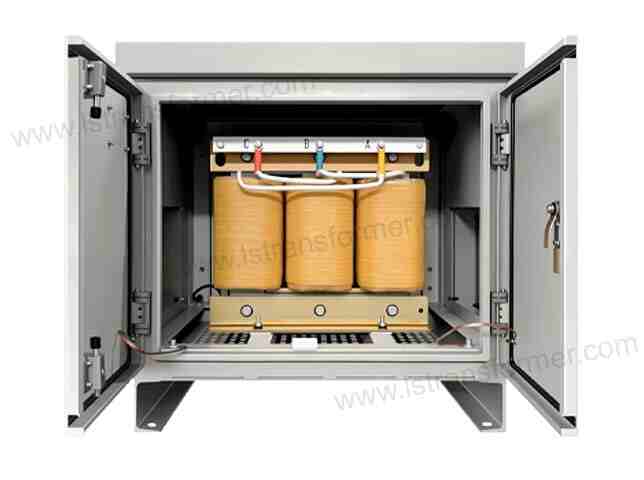
How to Choose Transformer Enclosures for Coastal Salt Spray Environments?
Operating transformers in coastal areas face unique challenges, with salt spray corrosion being one of the most significant threats. According to International Electrotechnical Commission (IEC) standards, coastal areas are defined as regions within 10 kilometers of the coastline, where salt spray concentration can be 5–10 times higher than inland. Selecting...